Have you been staring at camera specs for weeks, unable to decide between a DSLR and a mirrorless body? You are not alone, and the answer depends entirely on how and what you shoot. This DSLR vs mirrorless camera comparison breaks down every factor that actually matters so you can stop second-guessing and start investing in the right system for your style. Whether you are just getting into photography through our photography beginners resources or upgrading from a well-worn entry-level body, the differences between these two systems affect your wallet, your workflow, and the images you bring home.
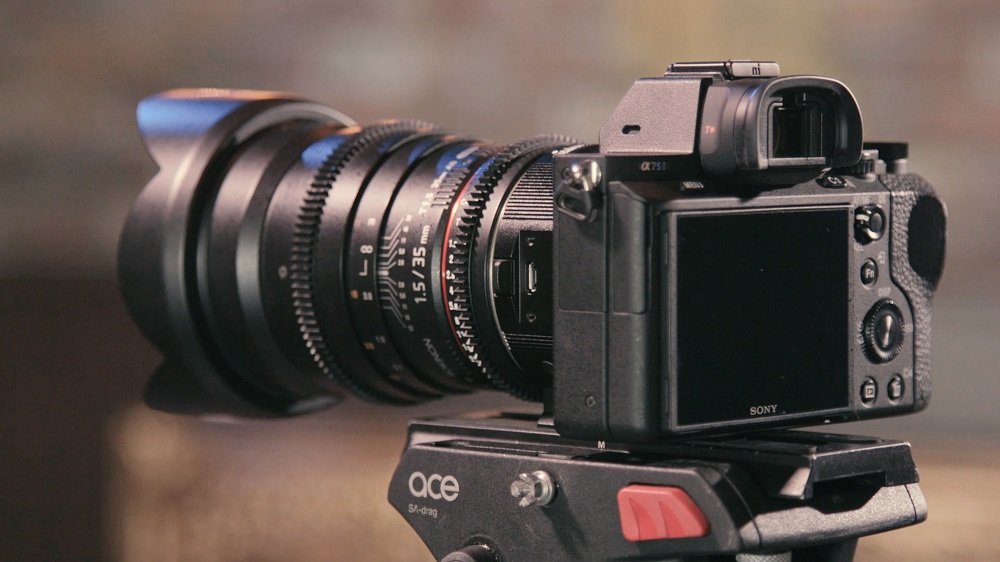
The core distinction is mechanical: a DSLR uses an internal mirror to bounce light into an optical viewfinder, while a mirrorless camera sends the sensor's feed directly to an electronic viewfinder or rear screen. That single engineering choice cascades into differences in size, autofocus behavior, battery life, lens availability, and long-term cost of ownership. Understanding those ripple effects is the key to making a confident purchase rather than an impulsive one.
Below, you will find a head-to-head breakdown organized around the questions photographers actually ask in camera shops and forums, along with practical advice you can act on before you swipe your card.
Contents
DSLR vs Mirrorless Camera Comparison at a Glance
Before diving into the details, a side-by-side table gives you the fastest way to see where each system excels and where it falls short. These are generalizations across current full-frame and APS-C lineups, not brand-specific claims.
| Feature | DSLR | Mirrorless |
|---|---|---|
| Body Weight (avg.) | 700–1000 g | 400–700 g |
| Viewfinder Type | Optical (OVF) | Electronic (EVF) |
| Battery Life (CIPA) | 800–1800 shots | 300–700 shots |
| Autofocus Points | 9–153 (phase-detect) | 200–700+ (hybrid) |
| Continuous Shooting | 6–12 fps | 10–30+ fps (electronic) |
| Video Capability | 1080p–4K (limited) | 4K–8K standard |
| Native Lens Selection | Extensive legacy catalog | Growing rapidly |
| Used Market Availability | Very large | Moderate |
The numbers tell a clear story: mirrorless wins on speed and compactness, while DSLRs still hold an edge in battery endurance and sheer volume of affordable used glass. Your priority list determines which column matters more, and the sections below help you build that list with precision.
What You Actually Need in a Camera Body
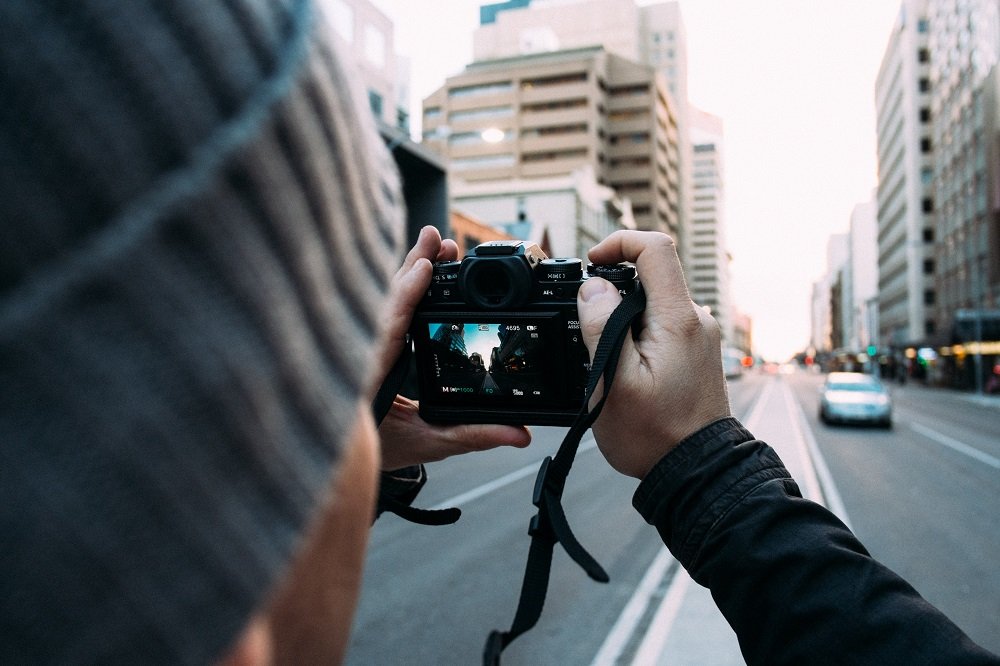
Marketing departments love to highlight flagship specs, but most photographers never use half the features printed on the box. Before you compare autofocus point counts or burst rates, ask yourself what you shoot most often and in what conditions you typically work. A landscape photographer who sets up a tripod and waits for golden hour has radically different needs from a parent chasing a toddler around a playground.
Autofocus and Tracking Performance
Modern mirrorless bodies use on-sensor phase-detection autofocus that covers nearly the entire frame, which makes tracking a moving subject from edge to edge far more reliable than a DSLR's central AF cluster. If you shoot sports, wildlife, or street photography where subjects enter the frame unpredictably, mirrorless autofocus is a genuine advantage you will notice on every outing. DSLRs can still nail focus quickly in good light, but their AF points are concentrated in the middle third of the viewfinder, which forces you to focus and recompose more often. Understanding how your camera meters and focuses ties directly into mastering the exposure triangle, since autofocus speed and accuracy influence your choice of shutter speed and aperture.
Viewfinder Experience
An optical viewfinder shows you the world as your eye sees it, with zero lag and no battery drain, and many photographers find that direct optical path more satisfying and intuitive for composing shots. An electronic viewfinder, on the other hand, previews your actual exposure, white balance, and depth of field in real time, which means fewer surprises when you review images later. High-end EVFs now refresh at 120 fps with minimal blackout, so the gap in responsiveness has narrowed considerably, though it has not disappeared entirely for fast-panning action.
How Much Should You Spend on Each System
Camera bodies depreciate, but lenses hold their value for decades, so your budget strategy should be lens-first regardless of which system you choose. That said, the total cost of entry and the long-term investment curve differ noticeably between DSLR and mirrorless ecosystems.
Body Pricing Tiers
Entry-level DSLRs remain the cheapest path into interchangeable-lens photography, with capable bodies available new for under $500 and used for even less. Mirrorless entry points have dropped steadily, but comparable APS-C mirrorless bodies still tend to cost $100–$300 more than their DSLR equivalents at the same sensor tier. At the mid-range and professional level, pricing between the two systems is essentially identical, so budget differences matter most if you are buying your very first serious camera.
Lens Investment Over Time
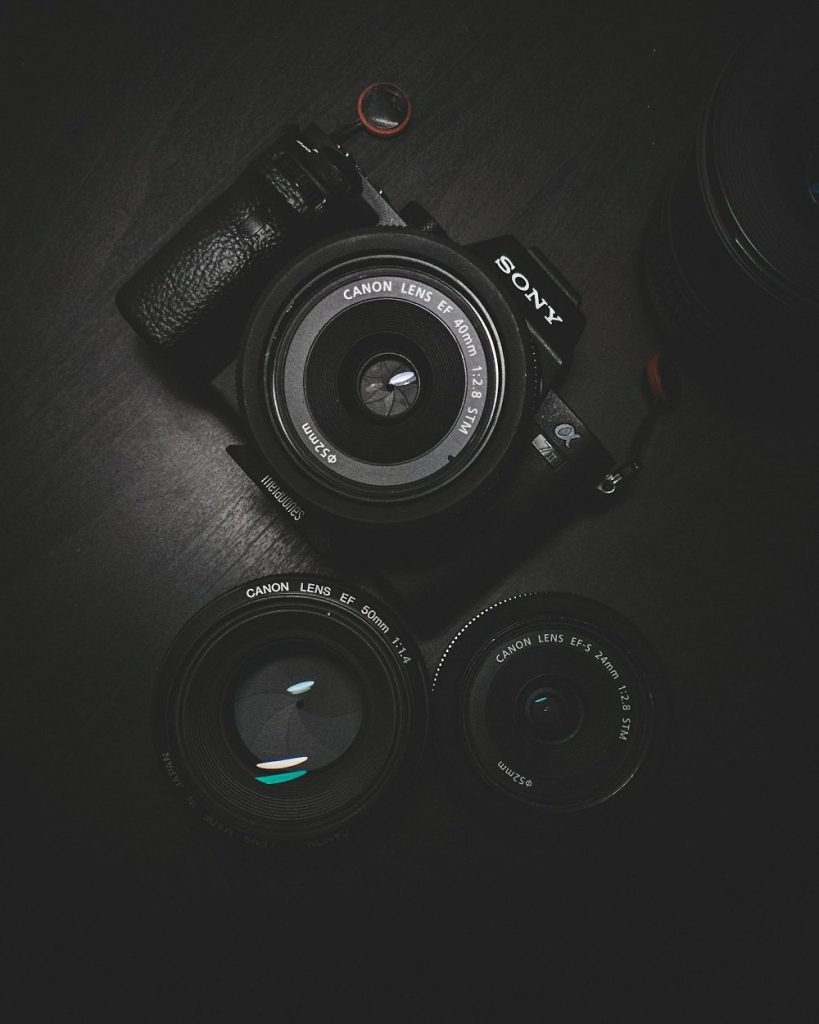
This is where the DSLR ecosystem has a hidden advantage that many comparison articles overlook: decades of used glass flooding the secondhand market. You can pick up excellent Nikon F-mount or Canon EF-mount lenses for a fraction of their original retail price, and adapters let you mount many of those lenses on mirrorless bodies with varying degrees of autofocus compatibility. Native mirrorless lenses, particularly for newer mounts like Canon RF and Nikon Z, are optically superb but carry premium pricing because the used supply is still relatively thin. If you are working with a tight budget and want to build a versatile kit quickly, the DSLR lens market gives you more options per dollar today. For mirrorless shooters on Micro Four Thirds, the mature lens catalog offers a happy middle ground of affordability and native compatibility.
If you plan to shoot in RAW — and you absolutely should — your lens quality matters more than your body's megapixel count. Invest in sharp glass first and upgrade the body later.
Keeping Your Gear in Top Shape
Every camera system requires regular maintenance, but the mechanical differences between DSLRs and mirrorless bodies create distinct cleaning routines and durability considerations you should factor into your decision.
Sensor Cleaning Differences
When you change lenses on a DSLR, the mirror and shutter curtain sit in front of the sensor, providing a physical barrier against dust. A mirrorless camera exposes its sensor directly to the open lens mount every time you swap glass, which means dust settles on the sensor more readily. Most mirrorless bodies include ultrasonic sensor-cleaning mechanisms that shake particles loose at startup, and these work well for everyday dust, but stubborn spots still require manual cleaning with sensor swabs. If you shoot outdoors frequently — say, following tips from our RAW vs JPEG guide while chasing the best possible image quality — carry a rocket blower in your bag and make a habit of pointing the camera mount downward when changing lenses to let gravity work in your favor.
Weather Sealing and Durability
Professional-grade bodies in both systems offer robust weather sealing, but mid-range DSLRs have historically provided better sealing than their mirrorless counterparts at the same price point. That gap is closing as manufacturers refine mirrorless body designs, and the lighter weight of mirrorless systems can actually reduce the risk of damage from fatigue-related drops during long shoots. The mechanical mirror assembly inside a DSLR is a moving part that can fail after hundreds of thousands of actuations, whereas mirrorless bodies eliminate that point of failure entirely, which gives them a theoretical edge in long-term mechanical reliability.
Upgrades That Improve Your Shooting Today
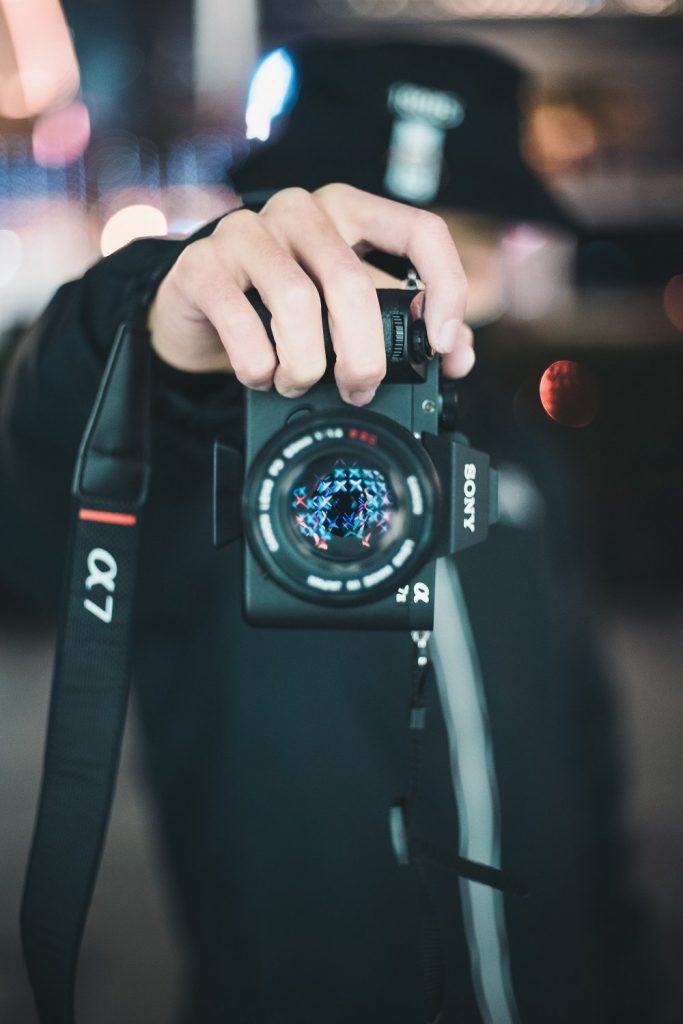
You do not need to buy a new body to get noticeably better results from your current system. Several affordable upgrades and habit changes deliver immediate improvements regardless of whether you are shooting DSLR or mirrorless.
Accessories Worth Buying First
A spare battery is the single most impactful accessory for mirrorless shooters, since EVFs and rear screens consume power constantly and running dry mid-session is a real frustration. For DSLR users, a fast SD card matters more than you might expect because buffer clearing speed directly affects how quickly you can resume shooting after a burst sequence. Both systems benefit enormously from a quality polarizing filter, which cuts glare and deepens skies in a way no amount of post-processing can replicate. If you shoot landscapes, a sturdy tripod paired with a remote shutter release or your camera's built-in timer eliminates the micro-vibrations that rob your images of sharpness at slow shutter speeds.
Firmware and Custom Settings
Most photographers never explore their camera's custom function menus, which is a missed opportunity because both DSLR and mirrorless bodies let you assign frequently used settings to dedicated buttons and dials. On mirrorless cameras, you can configure the EVF to display a live histogram, focus peaking overlay, and exposure simulation simultaneously, giving you information that DSLR shooters can only access in live view mode. Take thirty minutes to program your back-button focus, customize your function buttons, and set up user presets for your two or three most common shooting scenarios. That small investment of time pays dividends on every shoot going forward, and you will find yourself spending less time in menus and more time watching your subject. For deeper composition guidance to pair with your newly optimized settings, work through our beginner's guide to composition.
The camera industry is moving decisively toward mirrorless, with major manufacturers like Canon and Nikon shifting R&D resources away from DSLR development according to the Wikipedia overview of mirrorless camera technology. That does not make DSLRs obsolete — it makes them excellent value propositions for photographers who want proven performance at lower prices and are comfortable with a system that will receive fewer new lens releases going forward.
Next Steps
- Handle both systems in person — visit a camera store and spend at least ten minutes shooting with a DSLR and a mirrorless body in your budget range, paying attention to grip comfort, menu navigation, and viewfinder preference.
- List your three most common shooting scenarios — write down what you actually photograph most often, then match each scenario to the system strengths outlined above to see which column wins for your real-world use.
- Price out a two-lens starter kit — check both new and used prices for a body plus a standard zoom and one specialty lens in each system so you can compare total investment rather than body cost alone.
- Rent before you commit — services like LensRentals and BorrowLenses let you test a body for a weekend at a fraction of the purchase price, which eliminates buyer's remorse and confirms your choice with real images.
- Set a budget ceiling and stick to it — decide your maximum spend including one lens, a memory card, and a spare battery, then buy the best body-and-lens combination that fits within that number without stretching into credit.
 |
 |
 |
 |

About Alex W.
Alex is a landscape, equine, and pet photographer based in the Lake District, UK, with years of experience shooting in one of Britain's most photographically demanding natural environments. His work has been featured in Take a View Landscape Photographer of the Year, Outdoor Photographer of the Year, and Amateur Photographer Magazine — publications that reflect a serious, competitive standard of image-making. At Click and Learn Photography, he shares the camera settings, gear choices, and compositional techniques he has developed through real-world shooting and competition-level work.
You can Get FREE Gifts. Furthermore, Free Items here. Disable Ad Blocker to receive them all.
Once done, hit anything below
|
|
|
|