What separates a good landscape photograph from a truly exceptional one? Often, it comes down to light control — and the NiSi V5 Pro filter system remains one of the most refined tools our team has used for managing light in the field. After extensive testing across coastal shoots, mountain sessions, and forest work, we've formed strong opinions about where this system excels and where it falls short. For anyone serious about photography gear that makes a tangible difference in image quality, this breakdown covers everything worth knowing.
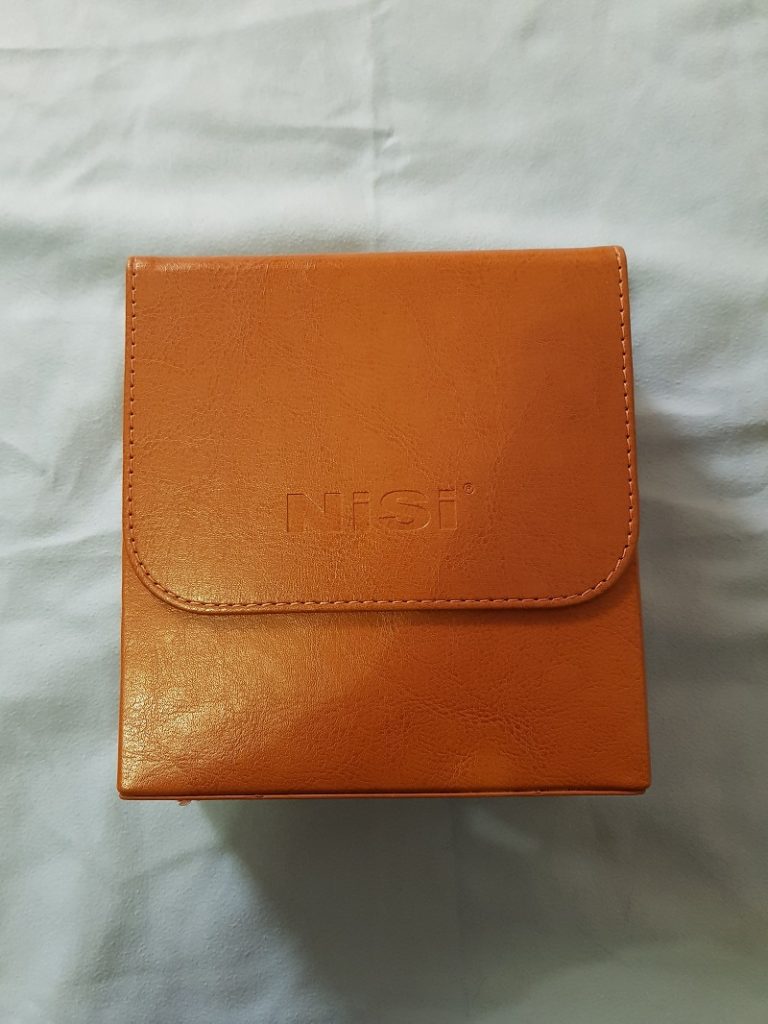
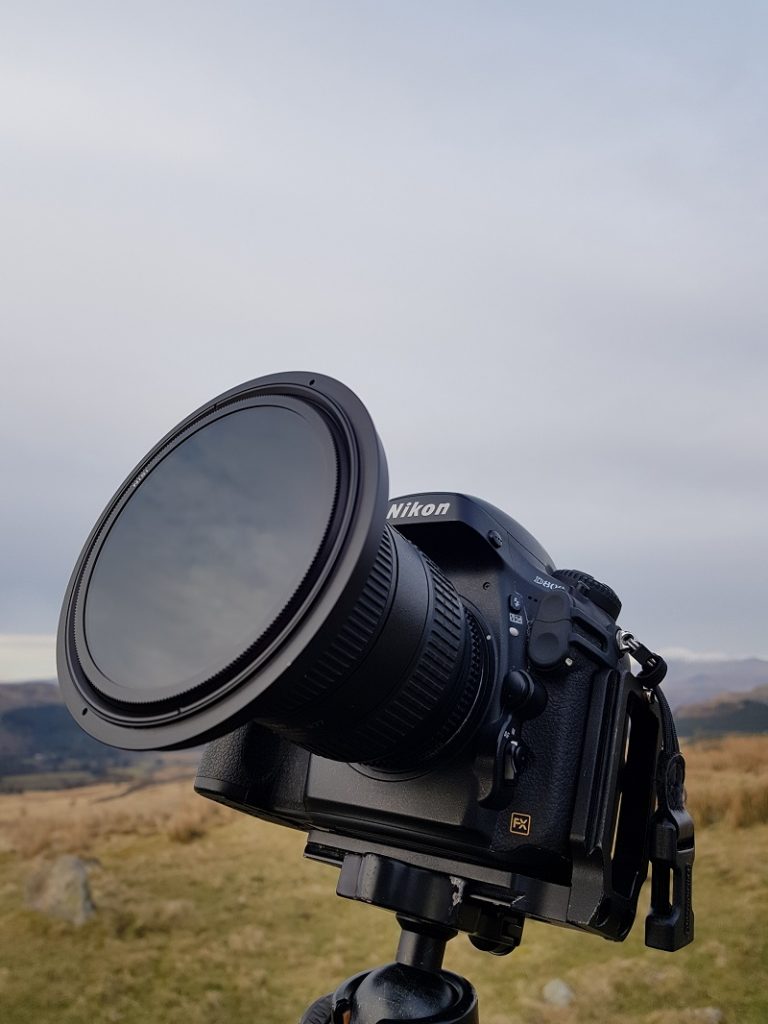
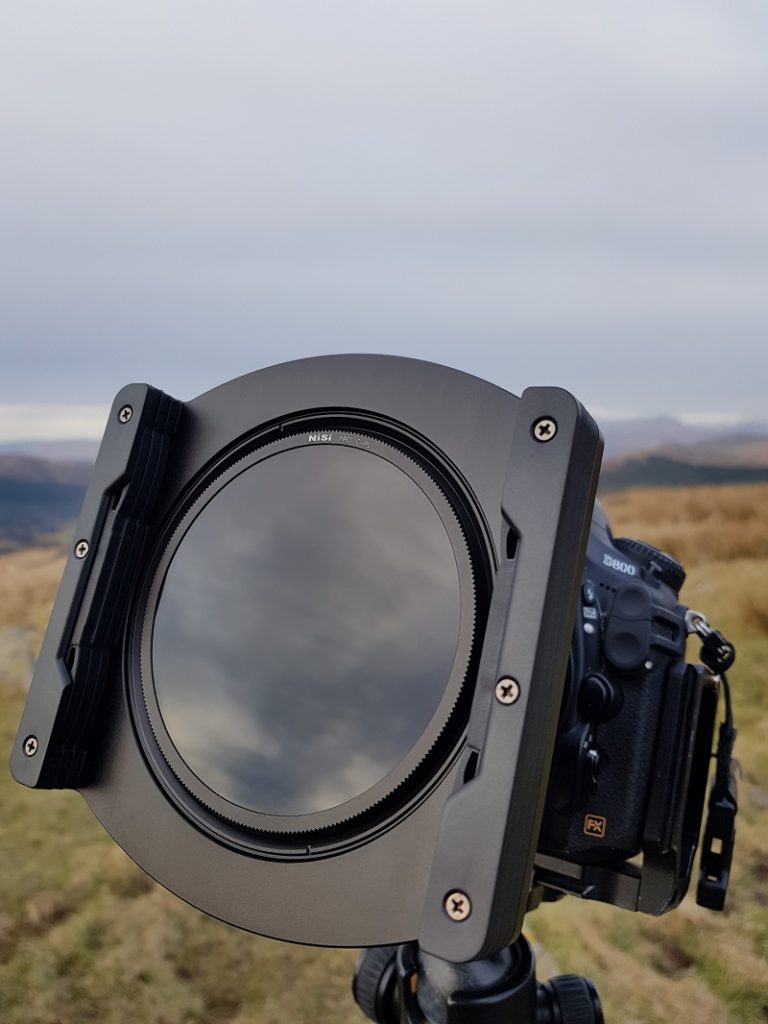
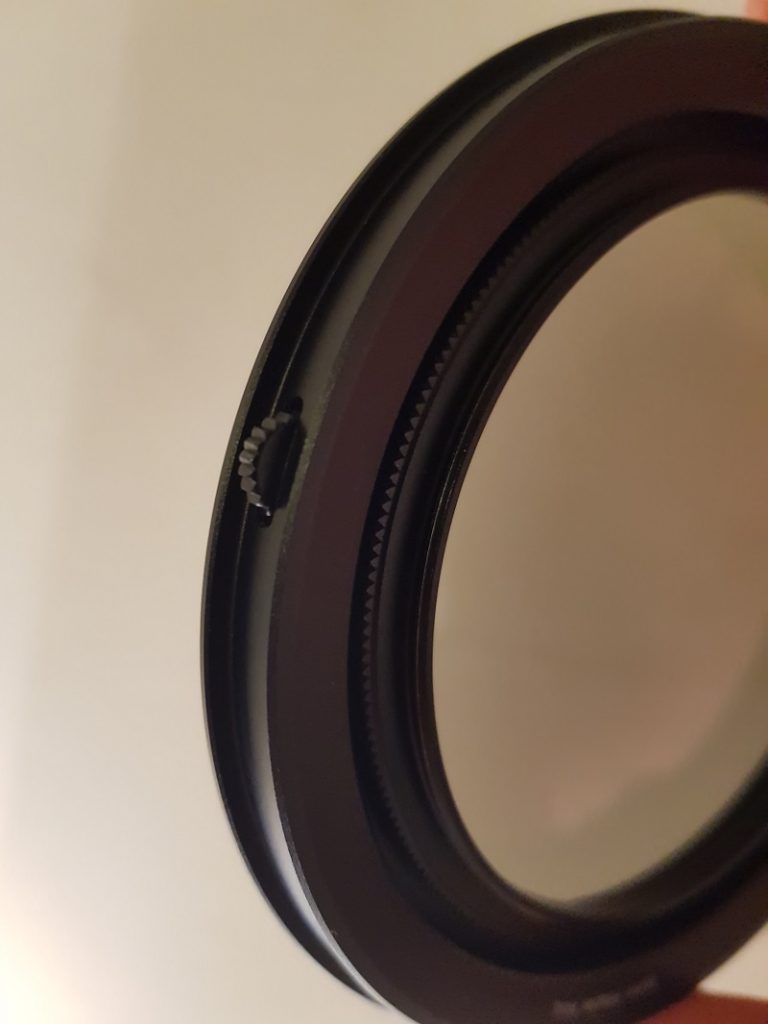
The NiSi V5 Pro is a 100mm filter holder system with an integrated circular polariser (CPL) that rotates independently of any stacked ND or graduated filters. That single design decision — building the CPL into the holder rather than requiring a separate screw-on filter — eliminates vignetting issues that plague competing systems and streamlines fieldwork considerably.
Our team has run this system through rain, sand, sub-zero temperatures, and the kind of brutal coastal wind that sends cheaper gear flying off tripods. Here's what we've learned.
Contents
- NiSi V5 Pro vs Competing Filter Systems
- Where the NiSi V5 Pro Filter System Performs Best
- When to Reach for Filters — and When to Skip Them
- Strengths and Weaknesses After Extended Use
- Field Results: Real Shots With the NiSi V5 Pro
- Essential Accessories and Complementary Gear
- Filter Mistakes That Cost Sharpness and Colour
- Frequently Asked Questions
- Next Steps
NiSi V5 Pro vs Competing Filter Systems
Before committing to any filter system, most photographers want a side-by-side comparison. Our team tested the NiSi V5 Pro against the Lee Foundations Kit, Haida M10, and Cokin Z-Pro across several key metrics.
| Feature | NiSi V5 Pro | Lee Foundations | Haida M10 | Cokin Z-Pro |
|---|---|---|---|---|
| Filter Size | 100mm | 100mm | 100mm | 100mm |
| Built-in CPL | Yes (rotatable) | No (add-on) | Yes (drop-in) | No |
| Filter Slots | 2 | 2 | 2 | 3 |
| Glass Quality | Optical glass, nano-coated | Resin (ND) / Glass (CPL) | Optical glass | Resin |
| Colour Cast | Minimal (slight warm) | Moderate warm | Minimal neutral | Noticeable magenta |
| Adapter Rings Included | Yes (multiple) | Sold separately | Yes (1) | Sold separately |
| Weight (holder only) | ~130g | ~95g | ~145g | ~80g |
| Vignetting on 16mm (FF) | None | Slight | None | Moderate |
The standout advantage is that integrated CPL design. With Lee or Cokin systems, adding a polariser means stacking another element in front of the holder, which introduces vignetting on wide-angle lenses. The NiSi V5 Pro eliminates that problem entirely. The Haida M10 offers a similar drop-in CPL approach, but our testing found the NiSi's rotation mechanism smoother and more precise.
Where the NiSi V5 Pro Filter System Performs Best
Landscape and Seascape Work
This is the system's natural habitat. Our team relies on the NiSi V5 Pro for:
- Long exposures at the coast — stacking a 6-stop ND with a 3-stop soft grad produces silky water while retaining sky detail
- Sunrise and sunset shoots where graduated filters balance extreme dynamic range
- Waterfall photography in forests, where the CPL cuts glare off wet rocks and foliage simultaneously
- Any scenario requiring dawn light management where the transition between bright sky and dark foreground is abrupt
The polariser rotation is genuinely useful when working near water. Being able to dial in exactly the right amount of reflection removal — without disturbing the ND filter position — saves time and frustration.
Low-Light and Astrophotography Considerations
Here's where honesty matters. The NiSi V5 Pro is not an astrophotography tool. Any filter glass in front of the lens introduces light loss and potential flare from bright stars. Our team removes the entire holder assembly for night sky work. NiSi does offer a dedicated natural-night optical filter for light pollution reduction, but it's a separate product — not part of this system.
When to Reach for Filters — and When to Skip Them
Filters are not always the answer. Our team follows a simple decision framework:
Use the NiSi V5 Pro when:
- The dynamic range exceeds what a single exposure can capture (bright skies, dark foregrounds)
- Long exposure effects are needed in-camera (moving water, cloud streaks, light trails)
- Reflections need managing — wet surfaces, windows, water bodies
- The goal is to get as close to a finished image in-camera, minimising post-processing
Skip the filters when:
- Bracketing and HDR blending will achieve the same result with less hassle
- The scene has even, flat lighting with no extreme highlights
- Working handheld at high shutter speeds (the holder adds weight and bulk to the front element)
- Wind is extreme enough to vibrate the filter glass during exposure
A critical insight from our fieldwork: if the scene can be solved with a two-stop exposure bracket in post, leave the filters in the bag. Filters earn their place when the effect is impossible to replicate digitally — polarisation and true long-exposure motion blur cannot be faked convincingly.
Strengths and Weaknesses After Extended Use
After putting the NiSi V5 Pro filter system through hundreds of shoots, here's our honest assessment.
Strengths:
- Integrated CPL eliminates vignetting on wide-angle lenses down to 16mm full-frame
- Machined aluminium construction — feels premium and survives drops onto rocks
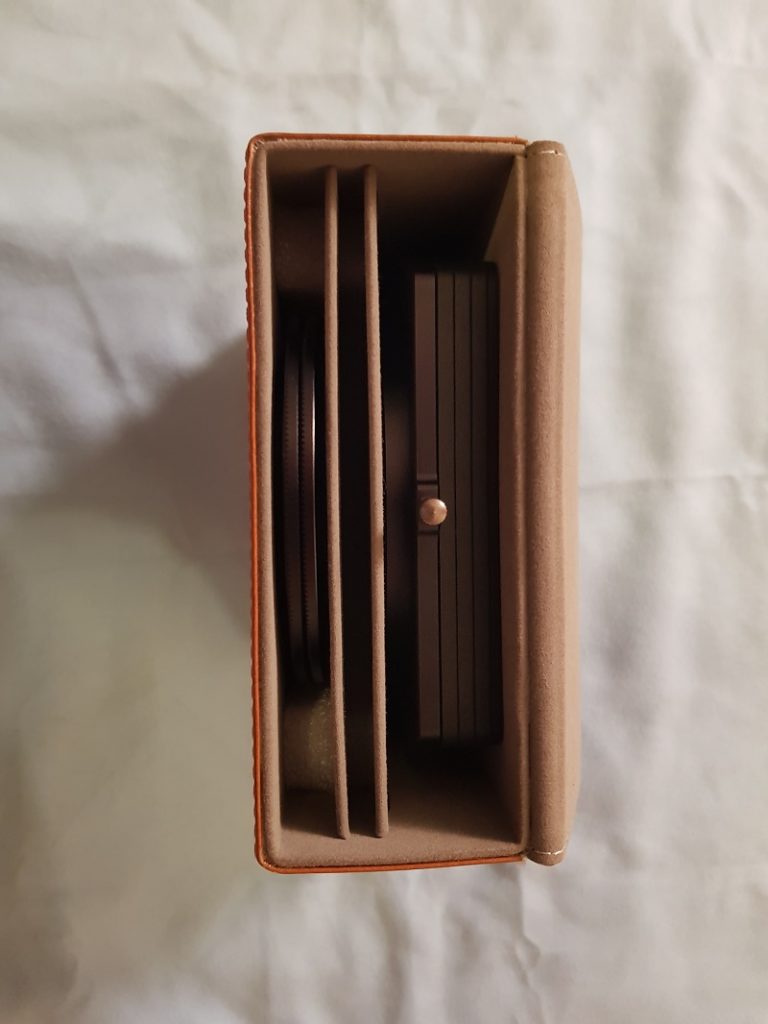
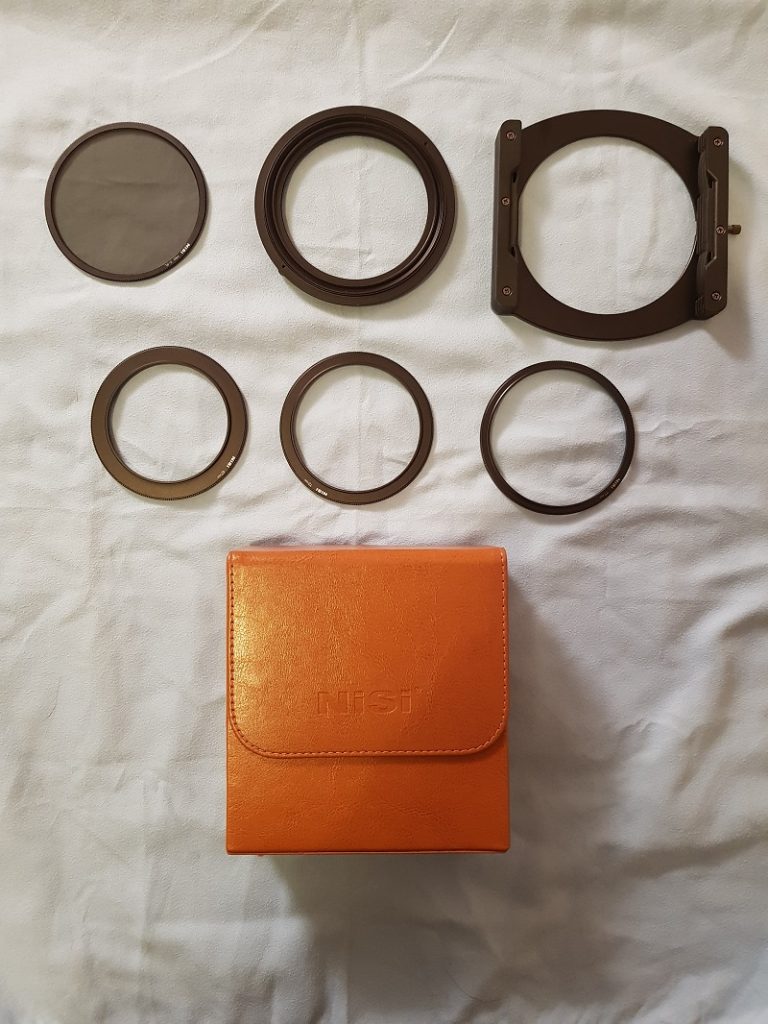
- Multiple adapter rings included in the box (67mm, 72mm, 77mm, 82mm)
- Nano-coated glass resists water spots and fingerprints
- Quick-release locking mechanism — filters snap in and hold firm even in wind
- Minimal colour cast compared to resin-based competitors
Weaknesses:
- Only two filter slots — anyone needing a CPL plus two grads simultaneously is out of luck
- The CPL ring can become stiff in freezing temperatures below -10°C
- Premium price point — the holder and CPL alone cost more than a complete Cokin system
- The foam gasket between the holder and adapter ring can trap fine sand, requiring regular cleaning
- No dedicated carrying case included with the base kit
Field Results: Real Shots With the NiSi V5 Pro
Nothing tells the story better than actual comparison shots. Our team set up a tripod at the same coastal location and photographed identical compositions with no filter, the NiSi CPL, and a Hoya Pro1 CPL for direct comparison.
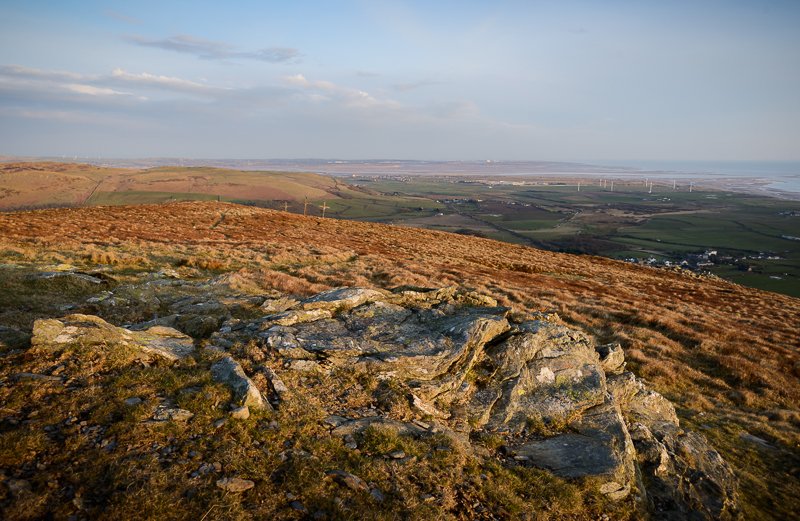
The unfiltered shot shows obvious glare across the water surface, washed-out sky tones, and low colour saturation in the foliage. This is typical of midday coastal conditions where a polariser proves essential.
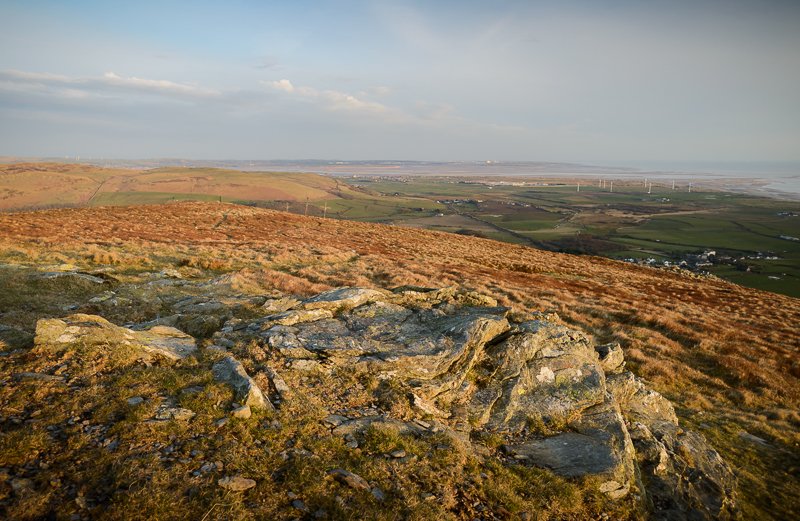
With the NiSi CPL engaged, the difference is immediate. Glare is stripped from the water, revealing the seabed and rock textures beneath. Sky saturation deepens noticeably, and foliage colours punch harder without any post-processing. This is the kind of result that matters when shooting for print or client work.
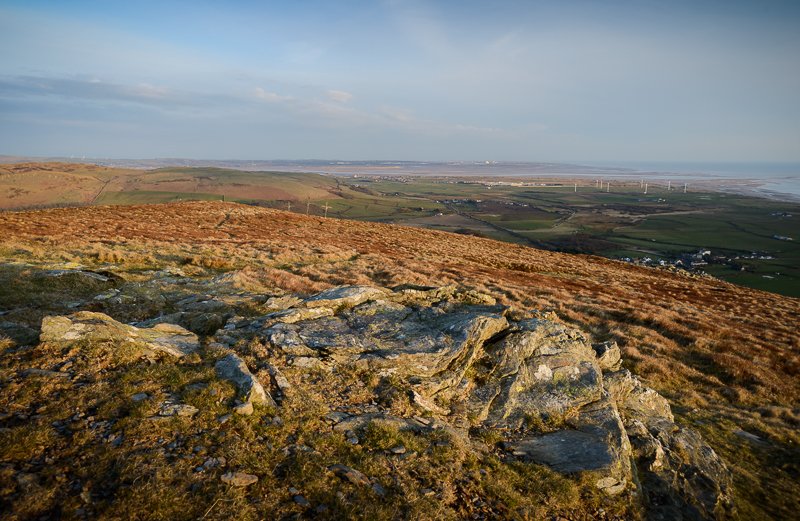
The Hoya Pro1 CPL performs well too — it's a solid screw-on polariser. But here's the critical difference: the Hoya is a standalone circular filter. It cannot integrate with a 100mm holder system, meaning anyone wanting to stack an ND grad on top must use a separate holder, creating vignetting risk. The NiSi V5 Pro handles both jobs in one unit. For woodland photography where cutting glare off wet leaves is essential, that integrated approach saves considerable time.
Essential Accessories and Complementary Gear
ND and Graduated Filter Pairings
The NiSi V5 Pro filter system is only as good as the glass loaded into it. Our recommended starting kit includes:
- NiSi 100mm Soft Grad ND8 (3-stop) — the most versatile graduated filter for landscape work; handles most sunrise/sunset dynamic range
- NiSi 100mm Hard Grad ND8 — for flat horizons (ocean, prairies) where the light transition is abrupt
- NiSi 100mm ND64 (6-stop) — the sweet spot for daytime long exposures without going overboard
- NiSi 100mm ND1000 (10-stop) — for dramatic multi-minute exposures in bright conditions
Graduated filters are most effective when the horizon line is relatively straight. For scenes with uneven horizons — mountains, city skylines, trees breaking the horizon — luminosity masking in post often produces cleaner results than a hard-edge grad.
Cleaning and Maintenance Kit
Glass filters demand proper care. Our field kit includes:
- Microfibre lens cloths (minimum three — one always stays dry)
- LensPen for spot cleaning in the field
- Rocket blower for removing loose particles before wiping
- Dedicated filter pouch — NiSi sells one, but any padded wallet with individual slots works
Never use tissue paper, shirt fabric, or compressed air cans on coated filter glass. The nano-coating on the NiSi V5 Pro is durable but not indestructible. One careless wipe with an abrasive cloth introduces micro-scratches that degrade contrast over time.
Filter Mistakes That Cost Sharpness and Colour
Our team has witnessed — and committed — every one of these errors. Learning from them saves both images and money.
- Leaving the CPL at maximum polarisation — full polarisation on ultra-wide lenses creates uneven sky banding. Dialling back to about 70% polarisation produces more natural results across the frame.
- Forgetting to remove the holder for telephoto work — the V5 Pro is designed for wide and standard focal lengths. On anything beyond 100mm, the holder edges can intrude into the frame.
- Stacking too many filters — every glass surface introduces flare risk. Two filters maximum (CPL plus one ND or grad) keeps optical quality high.
- Ignoring the gasket seal — the foam light-seal gasket between the adapter and holder must sit flush. A gap introduces light leaks that appear as bright streaks in long exposures.
- Not checking for correct exposure compensation — ND filters demand manual adjustment. Relying on the camera's metering through a 10-stop ND produces inconsistent results. Our team meters without the filter, calculates the adjustment, and dials it in manually.
- Cleaning filters in the field with a wet cloth — moisture plus dust equals mud. Always blow loose particles off first, then use a dry microfibre cloth.
- Storing filters without the protective case — a single scratch on a £100 filter is permanent. The cost of a proper pouch is trivial by comparison.
Frequently Asked Questions
Does the NiSi V5 Pro filter system fit all camera lenses?
The system uses adapter rings to fit different lens thread sizes. Rings for 67mm, 72mm, 77mm, and 82mm are included. Additional sizes (49mm, 52mm, 58mm, 62mm) are available separately. It fits virtually any lens with a front filter thread, though lenses with bulbous front elements (like the Nikon 14-24mm) require a separate S5 holder instead.
Can the CPL be used independently without ND filters loaded?
Absolutely. The integrated circular polariser works on its own as a standalone CPL. Our team frequently uses the holder with just the CPL and no additional filters — it's one of the system's most practical everyday configurations.
How much light does the built-in CPL absorb?
The NiSi V5 Pro CPL absorbs approximately 1 to 1.5 stops of light, depending on the degree of rotation. This is consistent with most high-quality circular polarisers and should be factored into exposure calculations during long exposure work.
Is there noticeable colour cast with NiSi glass filters?
Our testing revealed a very slight warm shift — detectable in side-by-side lab comparisons but virtually invisible in real-world shooting. It's significantly less colour cast than Lee resin filters and Cokin Z-Pro products. Any residual warmth corrects easily with a minor white balance adjustment.
Can the NiSi V5 Pro holder be used with third-party 100mm filters?
Yes. The holder accepts any standard 100mm x 150mm rectangular filter, regardless of brand. Our team has used Lee, Haida, and Formatt-Hitech filters in the NiSi holder without compatibility issues. The slot width and retention mechanism are industry-standard.
What is the difference between the V5 Pro and the older V5?
The V5 Pro features an upgraded locking mechanism that provides more secure filter retention, improved adapter ring threading, and a redesigned CPL with enhanced optical coatings. The holder dimensions are identical, so existing V5 adapter rings work with the Pro version.
How does the NiSi V5 Pro handle vignetting on wide-angle lenses?
The slim-profile design eliminates vignetting down to approximately 16mm on full-frame sensors. On APS-C bodies, there is zero vignetting at any focal length. This is a significant advantage over thicker holder systems that begin vignetting at 24mm or wider.
Next Steps
- Evaluate current gear needs — anyone already owning a 100mm system should assess whether the integrated CPL upgrade alone justifies the switch; those starting fresh with filters will find the NiSi V5 Pro the most complete out-of-the-box solution available.
- Start with a 3-stop soft grad and 6-stop ND alongside the holder kit — this two-filter combination covers roughly 80% of landscape scenarios our team encounters, and additional glass can be added as specific needs arise.
- Practice filter workflow at a familiar local location before heading to high-pressure destination shoots — mastering the attach-compose-adjust-shoot rhythm at a nearby landscape spot builds muscle memory that pays dividends when conditions demand speed.
- Invest in a proper filter pouch and cleaning kit from day one — protecting the glass investment prevents the micro-scratches and coating damage that silently degrade image quality over months of fieldwork.
 |
 |
 |
 |

About Alex W.
Alex is a landscape, equine, and pet photographer based in the Lake District, UK, with years of experience shooting in one of Britain's most photographically demanding natural environments. His work has been featured in Take a View Landscape Photographer of the Year, Outdoor Photographer of the Year, and Amateur Photographer Magazine — publications that reflect a serious, competitive standard of image-making. At Click and Learn Photography, he shares the camera settings, gear choices, and compositional techniques he has developed through real-world shooting and competition-level work.
You can Get FREE Gifts. Furthermore, Free Items here. Disable Ad Blocker to receive them all.
Once done, hit anything below
|
|
|
|