Every photography rule exists to be broken — and knowing which photography rules to break is what separates technically competent shooters from genuinely creative ones. Our team has spent years learning the "proper" way to compose, expose, and light a photograph, only to discover that the most striking images in our portfolios deliberately violate at least one textbook guideline. The trick isn't rebellion for its own sake. It's understanding why a rule exists so well that breaking it becomes a deliberate, informed choice. Anyone interested in the fundamentals of composition should master those foundations first — then read on to learn exactly when to throw the rulebook out the window.
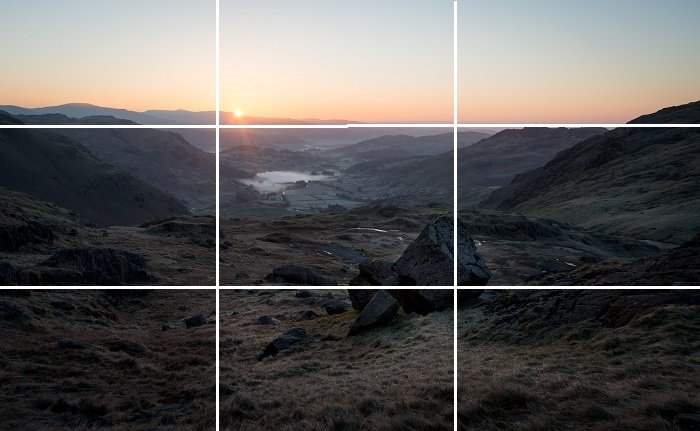
What follows is our breakdown of the most common photography rules, when they genuinely help, and — more importantly — when ignoring them leads to stronger, more memorable work. We've paired each rule with real-world examples from our own shoots so the reasoning is concrete, not theoretical.
This isn't a licence to be sloppy. The goal is intentional rule-breaking backed by purpose. A centred subject isn't "wrong" if centring it creates symmetry that off-centre placement would ruin. Blown highlights aren't a mistake if they serve mood. Context is everything.
Contents
- Why Learning Photography Rules to Break Is a Long-Game Skill
- When to Follow the Rules — and When to Ignore Them
- Real-World Examples of Broken Rules That Worked
- Practical Tips for Breaking Rules With Purpose
- Quick-Reference: Follow vs. Break
- Maintaining a Consistent Creative Vision
- Frequently Asked Questions
- Key Takeaways
Why Learning Photography Rules to Break Is a Long-Game Skill
Most photography education front-loads rules. Thirds grids. Histogram discipline. "Never shoot into the sun." These guidelines exist because they produce reliably decent images, and for beginners, reliability matters. But treating guidelines as laws leads to stagnation. Our team has seen portfolios full of technically perfect, emotionally flat images — and the common thread is rigid rule-following.
Foundation First, Rebellion Second
Breaking rules effectively requires understanding them deeply. Here's our recommended progression:
- Learn the rule thoroughly — understand why it works and the problem it solves
- Practice it until applying it becomes instinct
- Start noticing situations where the rule feels like a constraint rather than a help
- Experiment deliberately — break the rule, review the result, assess whether the image improved
- Develop the judgement to know, in the field, which approach fits the moment
Anyone who skips to step four without the foundation just produces technically poor work. The difference between a broken rule and a mistake is intent.
Building a Creative Identity
The photographers our team admires most — from Henri Cartier-Bresson to modern landscape artists — all developed a recognisable style by selectively discarding conventions. Cartier-Bresson's "decisive moment" often ignored compositional niceties in favour of raw timing. That wasn't sloppiness. It was philosophy.
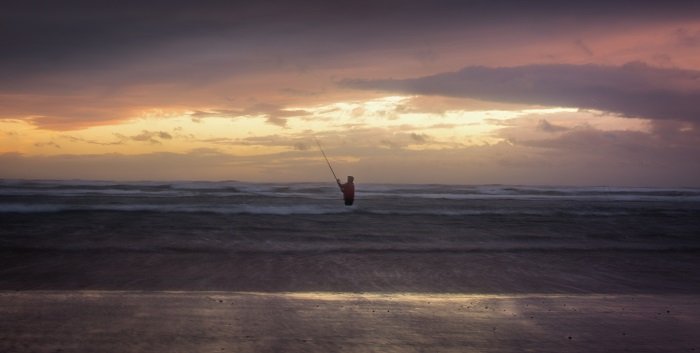
Ignoring the rule of thirds, I placed this wading fisherman away from those intersecting lines and put the horizon near the centre to give equal weight to the beautifully atmospheric sky and the layers of waves.
Pro insight: The best way to find a personal style is to notice which rules feel most uncomfortable to break — then investigate exactly why.
When to Follow the Rules — and When to Ignore Them
Not every rule deserves equal scrutiny. Some are genuinely useful defaults; others are arbitrary traditions dressed up as absolutes. Our team divides photography rules to break into two camps: structural rules (composition, framing) and technical rules (exposure, focus, sharpness). The structural ones are safe to break more often because they're aesthetic preferences. The technical ones demand more care — breaking them can destroy an image if done carelessly.
Composition: Rule of Thirds, Leading Lines, and Odds
The rule of thirds is probably the most quoted guideline in photography. Place subjects on intersecting grid lines, and the image feels balanced. It works. But it's not the only path to a compelling frame.
- Centre framing creates symmetry and power — ideal for architecture, portraits with direct eye contact, and reflections
- Ignoring leading lines can allow the eye to wander freely, which suits minimalist and abstract work
- The "rule of odds" (groups of 3 or 5 are more pleasing) falls apart the moment the subject matter demands an even number — a couple, a pair of shoes, a reflection
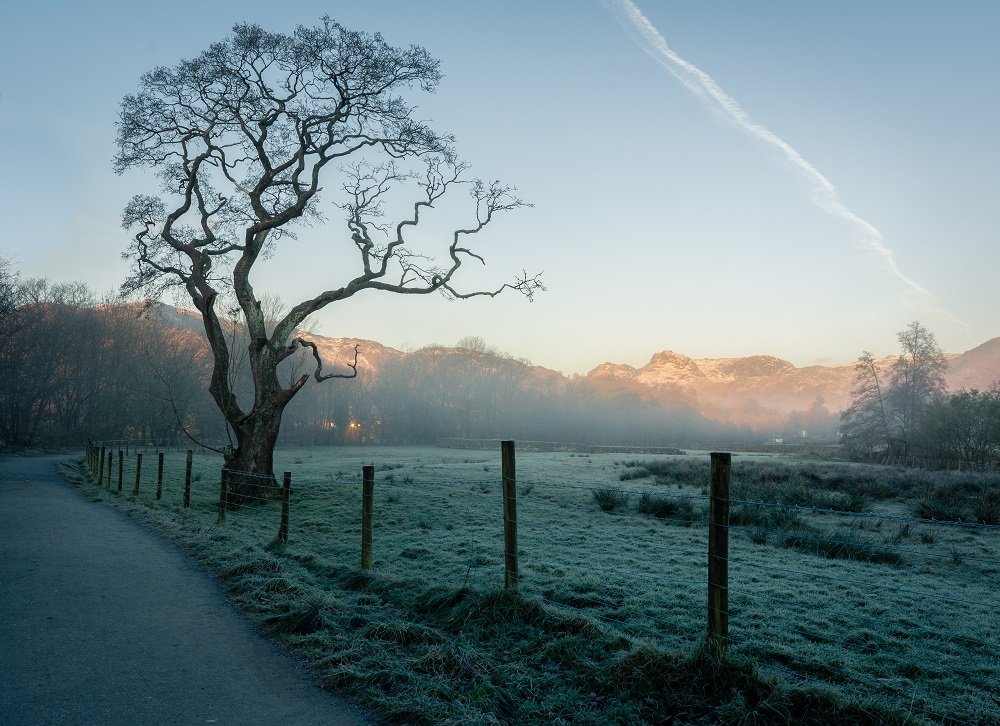
The fenceline and pathway in the foreground make ideal leading lines, guiding the viewer's eye towards the distinctive tree and the illuminated hills in the background.
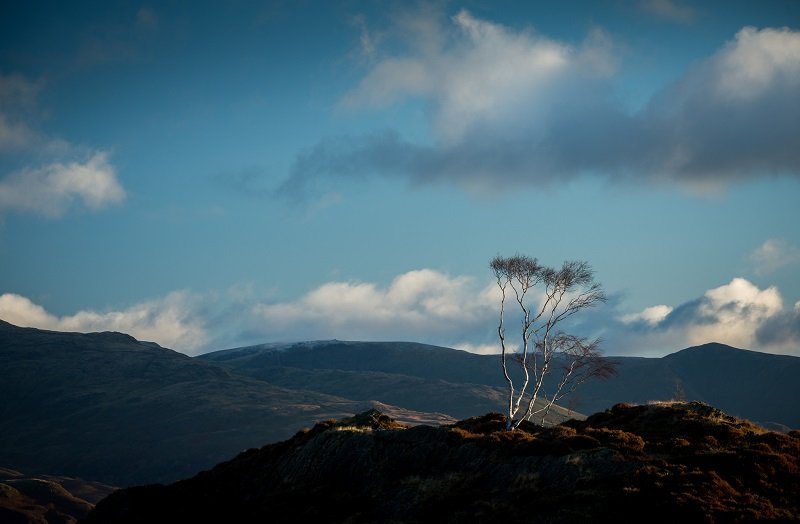
Trying to find a leading line to fit into every one of your shots is a shortcut to predictability. It's okay to break the 'rules', and sometimes you'll find that these hallowed commandments simply aren't suitable for certain types of images.
Exposure and Lighting Conventions
"Expose to the right." "Never blow highlights." "Keep the sun behind the camera." These are sensible defaults, but they're not commandments. Understanding the exposure triangle gives anyone the tools to break exposure rules deliberately rather than accidentally.
- Backlighting creates rim light, silhouettes, and atmosphere that front-lit scenes can't match
- Blown highlights in a sky can draw attention to a shadowed foreground subject
- Crushed shadows add drama, mystery, and mood — especially in night and astrophotography

Did I have to work harder to get the exposure correct for this backlit shot? Yes.
If I could go back in time, would I turn around so the sun was on my back and I could get a more balanced lighting setup? Not on your life.
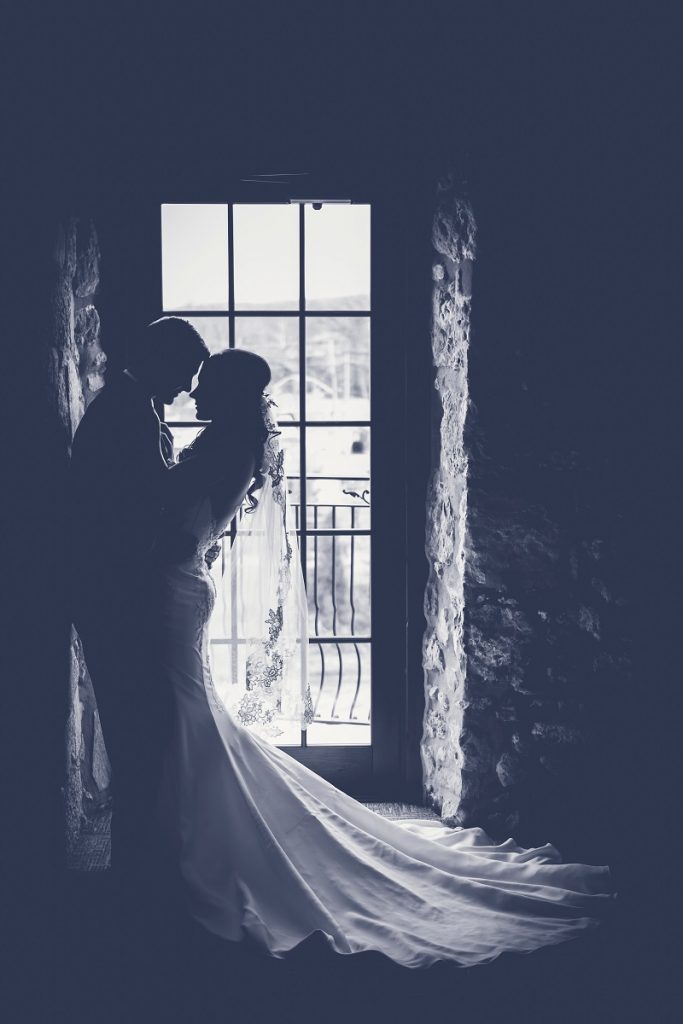
The willingness to break this 'rule' should span all manner of photography genres. Would this image be better if the bride and groom were evenly frontlit with every part of the image perfectly balanced in it's exposure? In my opinion, not even in the slightest.
Real-World Examples of Broken Rules That Worked
Theory only goes so far. Below are concrete situations from our own fieldwork where breaking a well-known rule produced a stronger result than following it would have.
Centre-Framed Subjects
The rule of thirds tells photographers to avoid dead centre. But centring a subject creates a sense of confrontation, calm, or symmetry that off-centre placement simply cannot replicate. Wildlife portraits, architectural shots, and minimalist landscapes often benefit from central placement.

Sometimes, it's an obvious decision. I wanted all focus to be fixed on that piercing gaze from the tiger, so I went ahead and filled the frame.

The main focal point in this image is glaringly obvious, despite the fact that it takes up a very small portion of the frame. The minimalist approach gives the viewer room to explore, but keeping that focal point as an 'anchor' for the viewer to return to.
The "fill the frame" and "leave negative space" guidelines directly contradict each other — yet both produce excellent results depending on the subject. The lesson: context overrides convention every time.
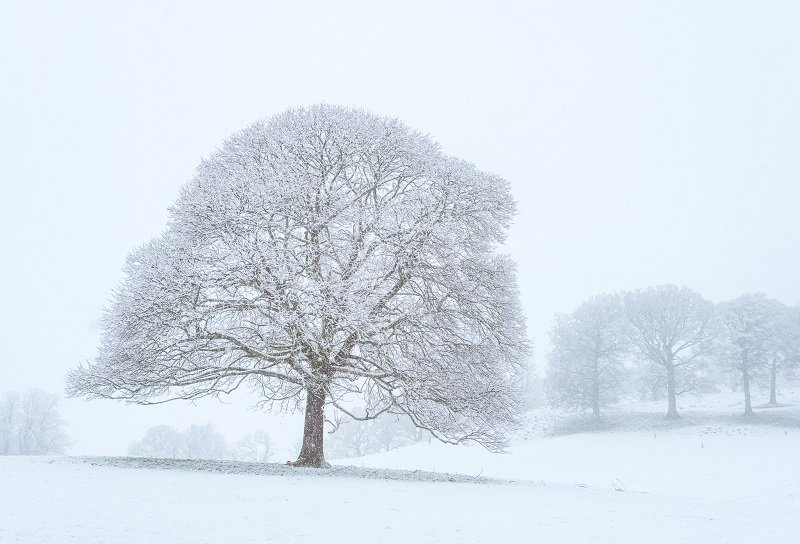
The slight lean of this tree and the nicely positioned background trees made this a clear cut decision to go with the norm and place my subject off-centre.
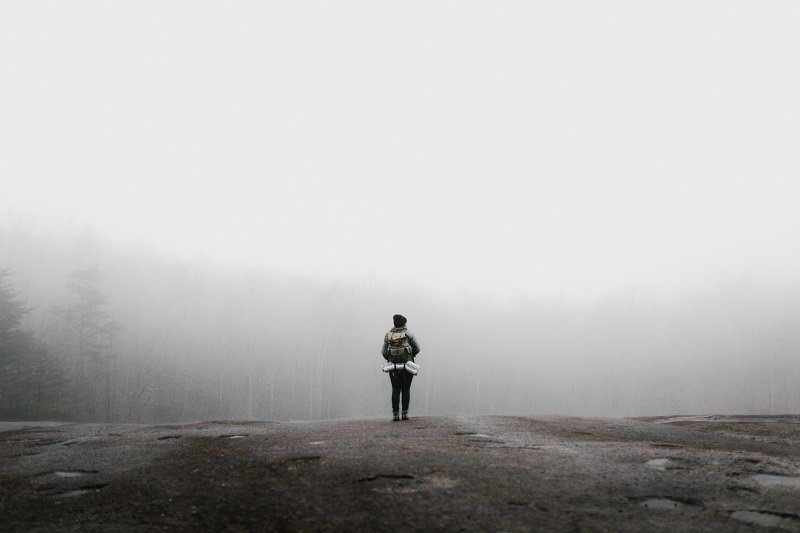
This is a very minimal type of environmental travel photograph, and placing the subject centrally in this situation is certainly the best choice in my opinion. Anything off-centre would imbalance the entire scene.
Intentional Blur and Motion
"Always use a fast shutter speed to keep things sharp." That's fine advice for sport and wildlife — but intentional camera movement (ICM) and motion blur are legitimate creative tools. Panning with a moving subject at a slow shutter speed creates a sense of speed that a frozen frame never will.

Here, I panned the camera along at the same speed as the wave and used a shutter speed of around one second, enhancing the sense of movement and creating a more abstract take on the incoming tide. This is a mixture of panning and ICM.
Our team recommends trying ICM in forests and along coastlines. The vertical lines of trees and horizontal motion of waves both lend themselves to painterly abstracts. Jake Traynor's approach to working with a single lens shows how creative constraints — including deliberate technical choices — force more imaginative results.
Practical Tips for Breaking Photography Rules With Purpose
Breaking rules randomly is just chaos. Here's how our team approaches it systematically.
Always Shoot Both Versions
- Take the "safe" shot following the rule first
- Then take the version that breaks it
- Compare them side by side at home on a calibrated monitor
- Ask: which one tells a better story? Which one creates a stronger emotional response?
- Keep both — the comparison itself is educational
This is especially valuable when learning. Over time, the instinct to break the right rule at the right moment becomes second nature. But early on, having both versions removes the guesswork.
Study the Masters Who Break Rules
Some photographers to study for deliberate rule-breaking:
- Michael Kenna — long exposures, minimalism, centred subjects, extreme negative space
- Daido Moriyama — harsh contrast, blur, grain, and everything "technically wrong" turned into style
- Fan Ho — backlighting, silhouettes, geometric framing that ignores thirds entirely
- William Eggleston — mundane subjects, centred compositions, saturated colour against every gallery convention of his era
Tip: Before heading out, pick one rule to deliberately break during the entire shoot. Committing fully to a single constraint keeps the experiment focused and the results measurable.
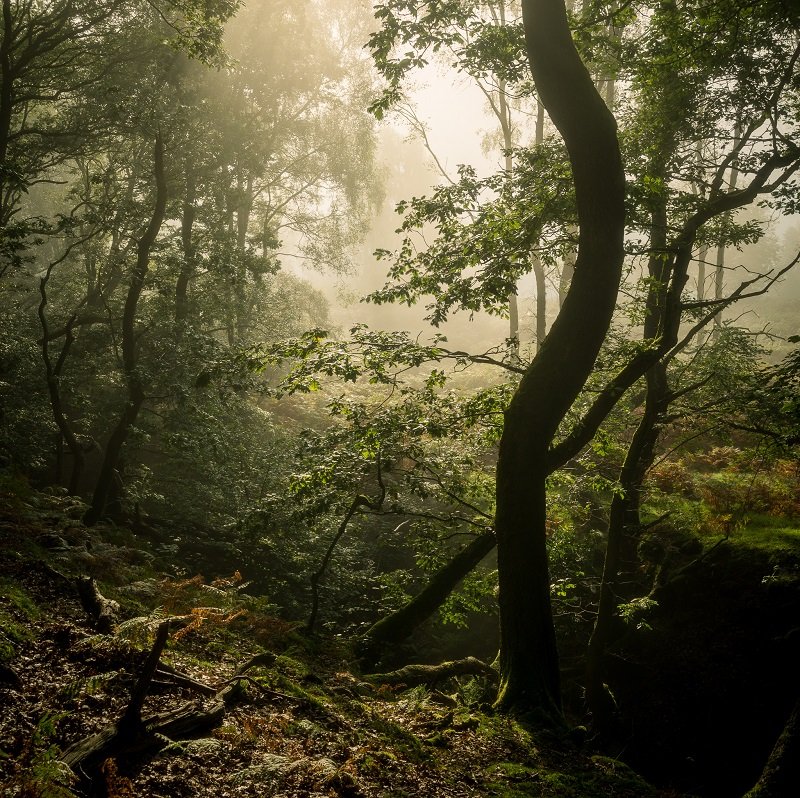
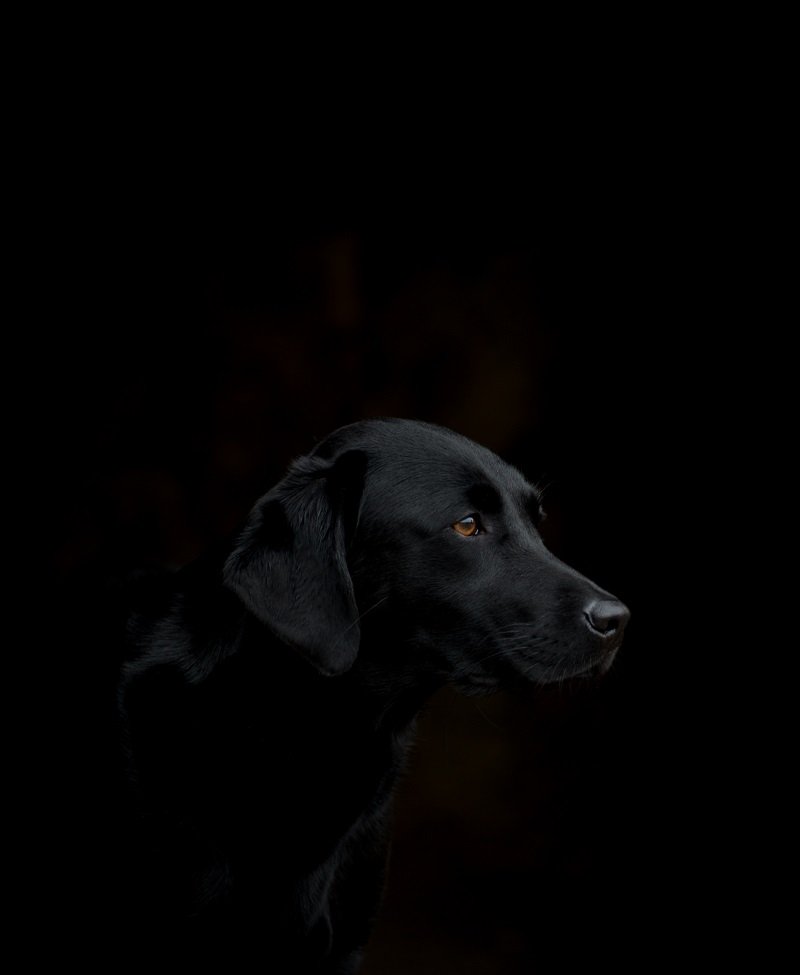
Blown highlights and clipped shadows — two exposure "sins" side by side. In both cases, the lost detail serves the image. The highlight blow-out creates ethereal glow; the crushed shadows create weight and mood. Neither image would improve with a "correct" histogram.
Quick-Reference: Follow vs. Break
The Decision Table
Our team put together this reference to help anyone decide in the moment. It's not exhaustive, but it covers the photography rules to break most frequently encountered in the field.
| Rule | When to Follow | When to Break | Risk Level |
|---|---|---|---|
| Rule of Thirds | General scenes, no strong symmetry | Symmetrical subjects, reflections, minimalism | Low |
| Leading Lines | Landscapes with natural paths | Abstract work, chaotic street scenes | Low |
| Rule of Odds | Still life, product photography | Couples, pairs, even-numbered groups | Low |
| Expose to the Right | High dynamic range scenes, RAW files | Moody/dark subjects, silhouettes | Medium |
| Keep Eyes Sharp | Standard portraits, wildlife | Conceptual portraits, motion stories | Medium |
| Shoot at Golden Hour | Warm landscapes, golden light needed | Moody overcast, blue hour, harsh midday drama | Low |
| Never Blow Highlights | Commercial work, product shots | Ethereal looks, backlit portraits | Medium |
| Keep Horizon Level | Seascapes, architecture | Dutch angle for tension, creative tilt | Medium |
| Fill the Frame | Detail shots, wildlife close-ups | Negative space, environmental context | Low |
| Always Use a Tripod | Long exposures, low light | Street, handheld ICM, travel | Low |
| Avoid Harsh Midday Sun | Even portrait lighting | Hard shadows, graphic compositions | Low |
| Include Foreground Interest | Wide-angle landscapes | Minimalist scenes, telephoto compression | Low |
Genre-Specific Considerations
Not all genres have the same tolerance for broken rules. Here's how our team thinks about it:
- Landscape photography — very forgiving of composition rule-breaking; less so for exposure mistakes (dynamic range is king)
- Portrait photography — focus rules matter more (soft eyes are rarely intentional); lighting rules are highly breakable
- Street photography — almost anything goes; the moment trumps technique
- Commercial/product photography — the most rule-bound genre; clients expect technical perfection
- Astrophotography — technical rules (sharp stars, correct exposure) are critical; composition rules are freely breakable
Anyone doing landscape work specifically will find our guide to sunrise photography useful — golden hour is a rule worth following sometimes, and that piece explains exactly when.
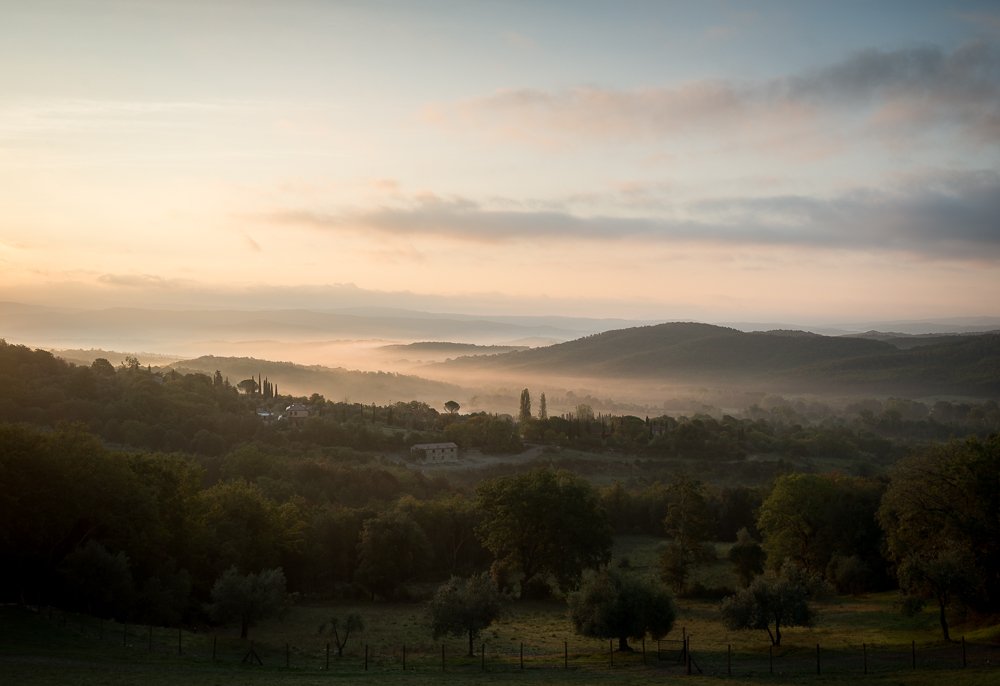
If you're going to limit yourself to a certain time of day for photography, you can do much worse than the Golden Hour. However, limitations are, by their very nature, restrictive.
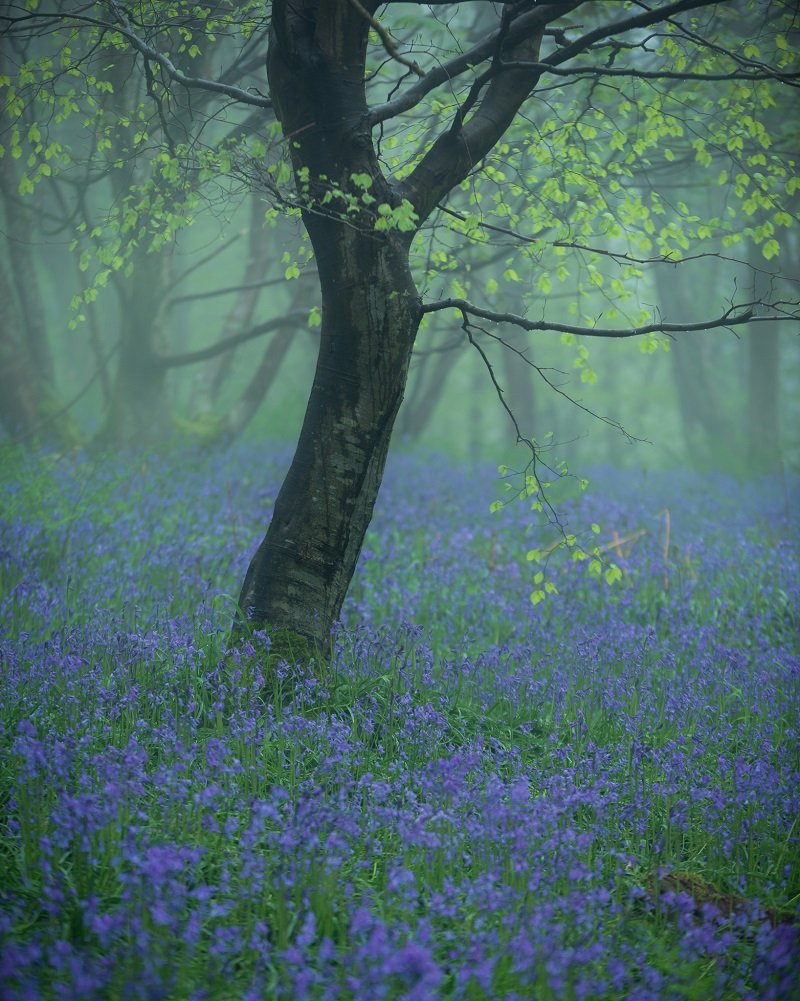
Early on in my photography adventure I would have looked out of the window and got straight back into my warm, cosy bed on this drizzly spring morning. I didn't though, and came away with one of my favourite images of the year.
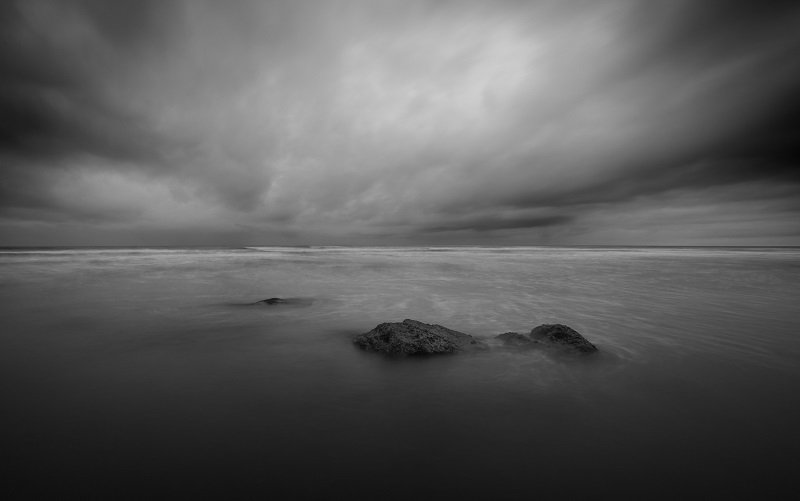
There was no hope of light breaking through and a colourful display in the sky on this afternoon, but that didn't matter to me.
Maintaining a Consistent Creative Vision
The biggest risk with rule-breaking isn't producing bad images — it's producing inconsistent ones. A portfolio that mixes random experiments without coherence looks scattered. The key is breaking rules in service of a personal vision, not breaking them for novelty.
Developing Personal Style Through Rule-Breaking
Our team recommends these steps for anyone building a cohesive body of work:
- Identify which 2–3 rules are genuinely restricting personal expression — focus rule-breaking there
- Let other rules remain as a stable foundation
- Review work in batches of 20–30 images and look for patterns — are the broken-rule shots consistently stronger?
- If a broken rule consistently produces weaker results, it's probably a rule worth keeping

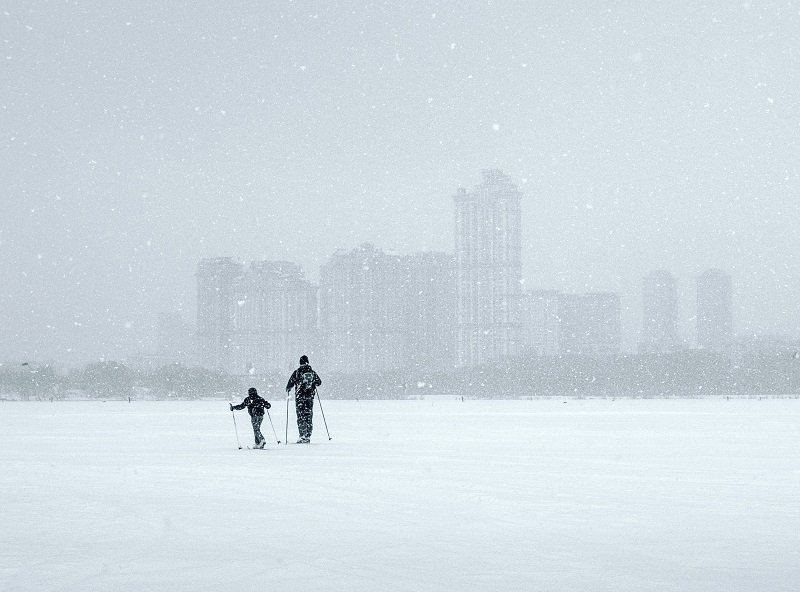
Unless the third subject in this image were the man's other son, trying to follow the rule of odds here would almost certainly result in a worse photograph.
Avoiding Gimmickry
There's a fine line between creative rule-breaking and gimmickry. Our team uses a simple litmus test: if removing the "broken rule" element would make the image worse, the break was justified. If the image would be just as strong (or stronger) with the conventional approach, the rule-breaking was gratuitous.
Common gimmicks to avoid:
- Extreme Dutch angles with no narrative justification
- Deliberate soft focus on every image in a series
- Blown highlights used as a default "look" rather than a deliberate choice per scene
- Shooting exclusively at "wrong" times of day without adapting to the conditions

For the majority of your shots, you will want the eyes to remain in sharp focus.
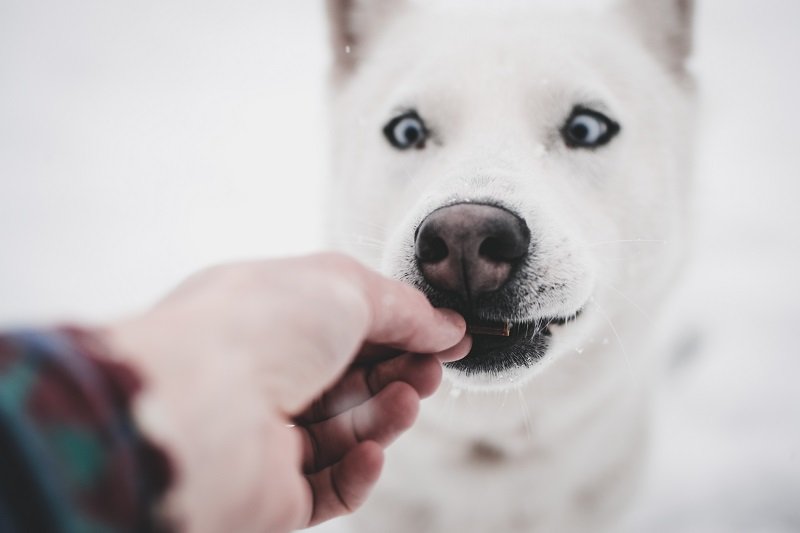
The subject of this image is about the relationship between the human feeding their dog, and as such that moment of contact being in focus is more impacting than the eyes behind being sharp.
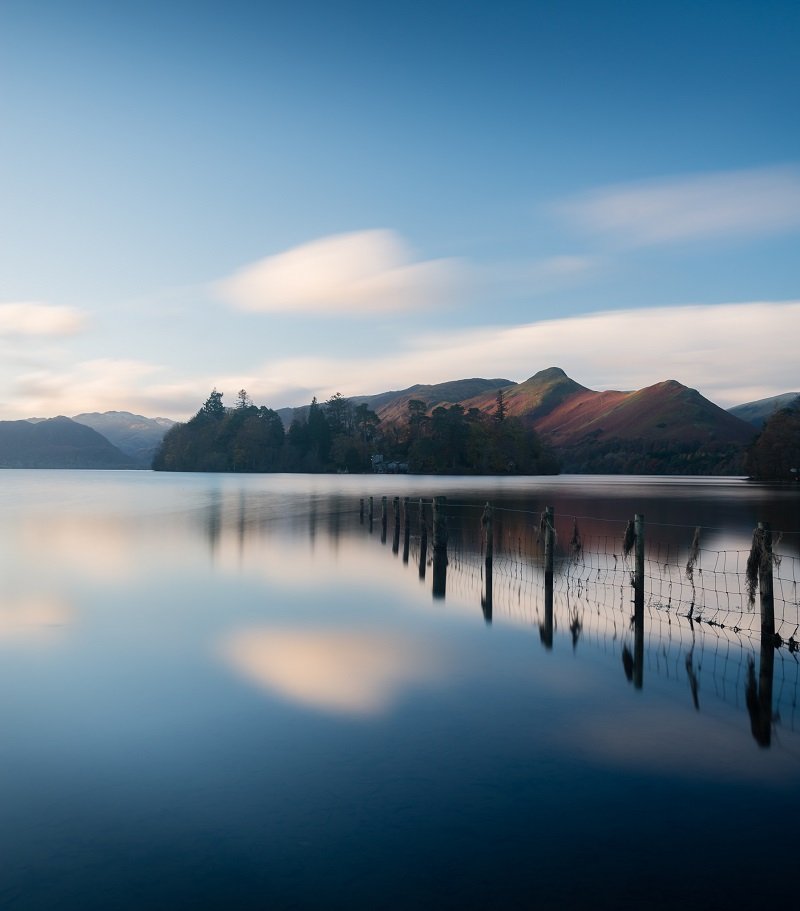
Often, we do want our landscapes to be sharp all the way through. I definitely needed the fence in focus here, but having the hills in the background blurry wasn't acceptable either.


Here, I deemed that this washed up piece of driftwood was the perfect foreground subject to include. It created interesting patterns in the receding waves and had enough character of it's own to be worth an image.
Frequently Asked Questions
What are the most important photography rules to break first?
Our team recommends starting with the rule of thirds and the "only shoot at golden hour" guideline. Both are low-risk to break — the worst outcome is a slightly less balanced composition or less warm light, neither of which ruins an image. Centre-framing and shooting in overcast or harsh midday light are excellent first experiments.
Does breaking photography rules mean ignoring them entirely?
Not at all. Breaking a rule means choosing not to follow it in a specific situation because a better option exists. That decision only has weight if the photographer understands the rule thoroughly. Ignorance isn't rule-breaking — it's guessing.
Can beginners break photography rules effectively?
Beginners can start experimenting once they've practiced a rule enough to apply it without thinking. If someone has to consciously remember the rule of thirds, it's too early to break it. Once it's instinct, breaking it becomes a meaningful creative choice rather than a lucky accident.
Is it ever wrong to break a photography rule?
In commercial and client work, breaking rules without a clear visual reason can look amateurish. A wedding photographer who blows every highlight or a product photographer who uses extreme Dutch angles may lose clients. The context and audience always dictate how much creative latitude is appropriate.
How does shooting in RAW affect rule-breaking?
Shooting in RAW gives much more room to recover from aggressive exposure choices. Blown highlights and crushed shadows are partially recoverable in RAW files, so anyone experimenting with exposure rules should absolutely shoot RAW. Our team considers this non-negotiable for creative work.
Which photography genres are most forgiving of broken rules?
Street photography and fine art are the most forgiving — the emphasis is on expression and moment over technical perfection. Landscape and portrait work sit in the middle. Commercial product photography is the least forgiving because clients expect clean, technically precise results.
How do most professionals decide when to break a rule?
Most professionals use a simple test: does breaking the rule serve the story or emotion of the image? If the answer is yes, they break it without hesitation. If the break is purely for novelty, experienced shooters tend to stick with the conventional approach and save the experimentation for personal projects.
Key Takeaways
- Photography rules to break only have creative power when the photographer understands them deeply enough to break them on purpose — intent separates art from accident.
- Composition rules (thirds, odds, leading lines) are low-risk to break and often produce the most dramatic improvements in originality.
- Technical rules (exposure, focus, sharpness) require more care when breaking, but deliberate violations like blown highlights and intentional blur create moods that "correct" technique cannot.
- Always shoot a conventional version alongside the rule-breaking version so the comparison can inform future decisions and build lasting creative judgement.
 |
 |
 |
 |

About Alex W.
Alex is a landscape, equine, and pet photographer based in the Lake District, UK, with years of experience shooting in one of Britain's most photographically demanding natural environments. His work has been featured in Take a View Landscape Photographer of the Year, Outdoor Photographer of the Year, and Amateur Photographer Magazine — publications that reflect a serious, competitive standard of image-making. At Click and Learn Photography, he shares the camera settings, gear choices, and compositional techniques he has developed through real-world shooting and competition-level work.
You can Get FREE Gifts. Furthermore, Free Items here. Disable Ad Blocker to receive them all.
Once done, hit anything below
|
|
|
|