Best Photography Inspiration Resources: Sites, Podcasts & More
by Alex W.
What does a photographer do when the creative well runs dry and every shot feels like a repeat of the last? The answer lies in knowing where to look. The best photography inspiration resources span far beyond a quick scroll through social media — they include dedicated websites, podcasts, online communities, and curated galleries that fuel genuinely original work. Our team has spent years testing and bookmarking these resources, and we have distilled everything into this guide. Whether the goal is rediscovering a love for landscape and creative photography or exploring an entirely new genre, the right inspiration source makes all the difference.
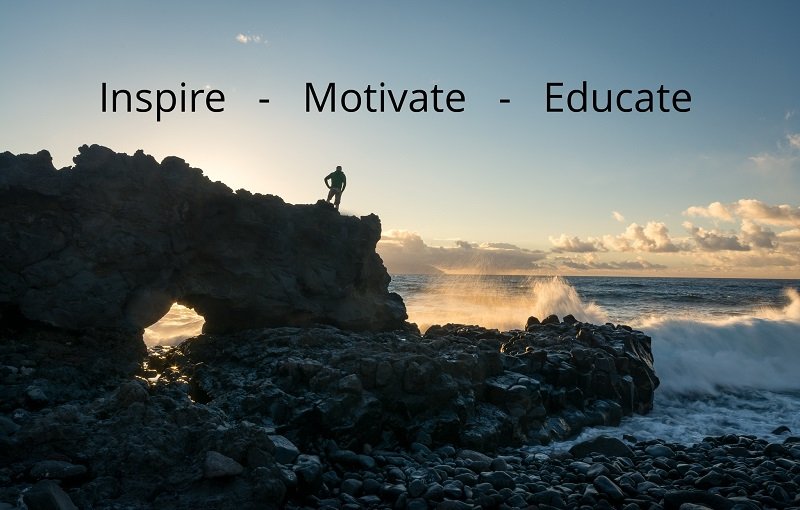
Inspiration is not passive. It requires deliberate curation, the willingness to step outside familiar feeds, and a system for turning admiration into action. In our experience, photographers who diversify their inspiration inputs produce more distinctive portfolios — and they enjoy the craft more along the way. This post covers the sites, podcasts, communities, and habits that keep creative momentum alive.
We have organized everything into practical sections so anyone can jump straight to what matters most. From curated website lists to podcast recommendations, common mistakes, and a breakdown of resources by skill level, this guide covers the full spectrum.
Contents
- How Top Photographers Find Fresh Inspiration
- Breaking Through Creative Blocks with the Right Resources
- Inspiration Pitfalls That Hold Most Photographers Back
- Building a Sustainable Inspiration Routine
- Best Photography Inspiration Resources for Every Skill Level
- Getting the Most from Photography Podcasts and Communities
- When to Seek Inspiration and When to Just Shoot
- Frequently Asked Questions
- Final Thoughts
How Top Photographers Find Fresh Inspiration
The most compelling photographers rarely cite Instagram as their primary inspiration source. Instead, they draw from curated galleries, physical photobooks, exhibitions, and cross-disciplinary art. Our team has interviewed dozens of working photographers over the years, and a pattern emerges: deliberate, varied inputs produce the most original outputs.
Curated Online Galleries
Sites like 500px, LensCulture, and Magnum Photos remain gold-standard resources for high-quality photographic work. Unlike algorithm-driven social feeds, these platforms prioritize editorial curation. LensCulture in particular stands out for its competition galleries and artist features, which spotlight emerging talent alongside established names. Our team regularly browses these when planning new series or rethinking an approach to a familiar genre.
For landscape-specific inspiration, we recommend checking out our list of 15 landscape photographers worth following — each one brings a distinct perspective that challenges conventional composition.
Photobooks and Digital Archives
Photobooks offer something screens cannot: a sequenced, tangible experience of a photographer's vision. The photobook tradition stretches back over a century, and modern publishers like MACK Books and Aperture continue to push boundaries. Digital archives from institutions like the Library of Congress and the George Eastman Museum provide free access to historical collections that remain surprisingly relevant to contemporary work.
Breaking Through Creative Blocks with the Right Resources
Creative blocks are inevitable. The distinction between photographers who stall and those who push through often comes down to having a toolkit of reliable prompts and challenges ready to deploy. Our team treats creative blocks not as failures but as signals that the current input mix needs refreshing.
Creative Prompt Generators and Challenges
Weekly photo challenges — like those hosted by DPReview's community forums, the 52-week challenge on Flickr, or r/photography's themed threads — provide structure when motivation dips. The constraint of a theme forces creative problem-solving. A prompt like "photograph something transparent" pushes most people into unfamiliar territory, which is exactly where growth happens.
Project-based challenges tend to be more effective than single-shot prompts. Committing to a 30-day series on a single subject builds discipline and reveals creative possibilities that a one-off assignment never would.
Community Critique Platforms
Constructive feedback accelerates growth faster than solo study. Platforms like Photocrowd, ViewBug, and dedicated Discord servers offer structured critique environments. The key is finding communities where feedback goes beyond "nice shot" and into meaningful discussion about intent, composition, and execution. Our team has found that giving critiques is often as valuable as receiving them — analyzing why someone else's image works or falls short sharpens editorial judgment.
Pro tip: When studying a photograph that resonates, pause and identify exactly which element creates the emotional response — is it the light, the timing, the negative space, or the subject's expression? Naming it makes it learnable.
Inspiration Pitfalls That Hold Most Photographers Back
Not all inspiration-seeking is productive. Some common habits actively undermine creative development, and our team has fallen into every one of these traps at some point.
The Comparison Trap
Browsing the work of photographers with decades of experience, professional-grade equipment, and exotic locations can be motivating — or it can be paralyzing. The comparison trap hits hardest when someone compares their behind-the-scenes reality with another photographer's highlight reel. The antidote is studying process, not just results. Behind-the-scenes content, podcast interviews, and making-of videos reveal the messy reality behind polished portfolios.
Passive Scrolling vs Active Study
There is a critical difference between passively scrolling through a feed and actively studying a photograph. Passive consumption creates the illusion of learning without any retention. Active study means pausing on an image, analyzing the lighting direction, considering the lens choice, noting the color palette, and thinking about how similar techniques might apply to one's own work. Most people scroll through hundreds of images daily and remember none. Spending ten focused minutes with a single great photograph teaches more than an hour of mindless browsing.
Building a Sustainable Inspiration Routine
Inspiration is not something to seek only during a creative crisis. The most productive approach is building regular habits that keep the creative pipeline full at all times.
Weekly Habits That Work
Our team follows a simple weekly rhythm: one podcast episode during a commute or edit session, one deep-dive into a photographer's portfolio, and one visit to a curated gallery site. This takes roughly two hours per week and consistently surfaces ideas worth exploring. The key is consistency — sporadic binge sessions are less effective than steady, modest intake.
Pairing inspiration with action amplifies the benefit. After studying a technique or style, the most effective next step is immediately planning a shoot that applies it, even in a simplified form. Anyone interested in improving foundational skills alongside seeking inspiration will benefit from exploring the best YouTube channels for photography editing — tutorials and inspiration often work best in tandem.
Organizing a Reference Library
Saving images to a folder and never revisiting them is nearly universal and nearly useless. A better system involves categorizing saved references by technique, mood, or project relevance. Tools like Eagle, Milanote, or even a well-organized Pinterest board (with private boards for focused study) serve this purpose well. Our team tags saved references with notes about what specifically caught our attention — "dramatic rim light on fog," "negative space with single subject in lower third" — so the library becomes searchable and actionable.
Best Photography Inspiration Resources for Every Skill Level
Not every resource serves every photographer equally. What inspires a beginner differs from what challenges a working professional. The following table breaks down our top recommendations by skill level and format.
Beginner-Friendly Picks
Beginners benefit most from resources that combine inspiration with education. Sites that pair stunning images with explanations of how they were made — including camera settings, lighting setups, and post-processing steps — bridge the gap between admiration and capability. Dedicated tutorial channels and structured learning paths prevent the overwhelming "where do I even start" paralysis that stops many newcomers.
| Resource | Type | Best For | Cost |
|---|---|---|---|
| 500px Editors' Choice | Curated Gallery | All levels — browsing diverse genres | Free |
| LensCulture | Gallery / Competitions | Intermediate to advanced — fine-art focus | Free (paid competitions) |
| The Art of Photography (YouTube) | Video / Podcast | All levels — philosophy and history | Free |
| PetaPixel | News / Features | All levels — industry trends | Free |
| Improve Photography Podcast | Podcast | Beginner to intermediate | Free |
| Magnum Photos | Archive / Essays | Advanced — documentary and photojournalism | Free |
| Flickr Explore | Community Gallery | All levels — real-world community work | Free |
| r/photography (Reddit) | Community Forum | All levels — discussion and critique | Free |
Advanced and Genre-Specific Sources
Advanced photographers often find the most inspiration outside photography entirely. Cinematography breakdowns, painting composition analysis, architectural design journals, and fashion editorials all offer transferable visual concepts. Cross-disciplinary study is one of the most underused strategies in photography. Our team regularly pulls ideas from film stills — the way a cinematographer uses color grading or frames a subject in a doorway translates directly to still photography with powerful results.
Genre-specific communities also become more valuable at higher skill levels. Astrophotography forums, wildlife photography groups, and street photography collectives provide the depth that general-purpose sites cannot match.
Getting the Most from Photography Podcasts and Communities
Podcasts occupy a unique space in the inspiration ecosystem: they deliver insight during time that would otherwise be unproductive. Editing sessions, commutes, and household tasks all become opportunities for creative input. Communities, meanwhile, provide accountability and feedback loops that solo practice lacks.
Top Podcasts Worth Subscribing To
The photography podcast landscape has matured significantly. "The Art of Photography" with Ted Forbes remains essential listening for its blend of history, philosophy, and practical insight. "The Candid Frame" features long-form interviews with working photographers that reveal the thinking behind the work. "Photography Daily" from Photo Focus delivers short, digestible episodes that fit into any schedule. For landscape-specific content, "The Landscape Photography Podcast" and "Photography Nuts" offer focused discussions that go deep on technique and location scouting.
The most productive way to listen involves keeping a notes app open. When a guest mentions a technique, a book, or a concept worth exploring, capturing it immediately prevents the common pattern of hearing something brilliant and forgetting it within an hour.
Online Communities That Deliver Real Value
The best online communities share three traits: active moderation, constructive norms, and a mix of skill levels. Reddit's r/photocritique enforces structured feedback. Discord servers tied to specific YouTube channels or photography brands often cultivate tight-knit, high-quality discussion. Facebook groups remain useful when well-moderated, though the signal-to-noise ratio varies wildly. Our team recommends joining no more than two or three communities and engaging deeply rather than spreading attention across a dozen.
When to Seek Inspiration and When to Just Shoot
Inspiration-seeking can become its own form of procrastination. Knowing when to stop researching and start shooting is a skill that separates productive photographers from perpetual students.
Recognizing Diminishing Returns
If an hour of browsing portfolios leaves someone feeling energized and full of ideas, the time was well spent. If it leaves someone feeling inadequate and less motivated to pick up a camera, that is a clear signal to stop consuming and start creating. Our team uses a simple rule: if inspiration intake has not led to a concrete shooting idea within 30 minutes, it is time to close the browser and go make pictures. Sometimes the best inspiration is simply walking out the door with a camera and no plan at all — many photographers find that revisiting composition fundamentals during an unplanned walk produces surprisingly fresh results.
Turning Inspiration into Action
The bridge between inspiration and execution is a specific, low-barrier next step. Instead of vaguely resolving to "shoot more like this photographer," a more effective approach is identifying one technique from the reference and planning a single shoot around it. For example, after admiring a portrait photographer's use of natural window light, the next step might be setting up a simple still-life near a window that afternoon — not planning an elaborate portrait session for next month.
Keeping an "inspiration-to-action" log helps track this conversion. A simple spreadsheet or notebook entry listing the source, what caught the eye, and the resulting shoot idea creates accountability and makes the connection between consumption and creation tangible.
Frequently Asked Questions
What are the best free websites for photography inspiration?
500px Editors' Choice, Flickr Explore, Unsplash, and LensCulture all offer free access to high-quality curated photography. Each platform has a different editorial focus, so browsing several provides a broader creative diet than relying on just one.
How often should a photographer seek out new inspiration?
A consistent weekly routine works better than sporadic deep dives. Spending one to two hours per week across galleries, podcasts, and community engagement keeps the creative pipeline full without cutting into actual shooting and editing time.
Can too much inspiration actually hurt creativity?
Yes. Overconsumption leads to either paralysis from comparison or derivative work that mimics rather than innovates. The key is balancing intake with output — every inspiration session should ideally lead to a concrete shooting idea or technique to practice.
What photography podcasts are best for beginners?
Improve Photography Podcast and The Art of Photography with Ted Forbes are excellent starting points. Both explain concepts clearly without assuming advanced knowledge, and they cover gear, technique, and creative thinking in accessible formats.
How can someone organize saved photography references effectively?
Using a tool like Eagle, Milanote, or well-organized Pinterest boards with private collections works well. The critical step is tagging each saved image with a note about what specifically stands out — lighting technique, composition choice, color palette — so the library remains searchable and actionable.
Are photography books still relevant as inspiration sources?
Absolutely. Photobooks offer a curated, sequenced experience that screens cannot replicate. The tactile format encourages slower, more deliberate study, and publishers like MACK Books and Aperture consistently release work that challenges and inspires at every skill level.
What is the best way to turn inspiration into actual photographs?
Identify one specific element from an inspiring image — a lighting technique, composition approach, or color palette — and plan a focused shoot around just that element. Keeping the scope small and the timeline short removes barriers to execution and makes the connection between admiration and creation concrete.
Final Thoughts
The best photography inspiration resources are only as valuable as the action they produce. Our team encourages picking one new resource from this guide today — subscribe to a podcast, bookmark a curated gallery, or join a community — and commit to engaging with it weekly. Then take that energy straight to the camera. Inspiration without execution is just entertainment, but paired with deliberate practice, it becomes the engine behind every breakthrough image.
 |
 |
 |
 |

About Alex W.
Alex is a landscape, equine, and pet photographer based in the Lake District, UK, with years of experience shooting in one of Britain's most photographically demanding natural environments. His work has been featured in Take a View Landscape Photographer of the Year, Outdoor Photographer of the Year, and Amateur Photographer Magazine — publications that reflect a serious, competitive standard of image-making. At Click and Learn Photography, he shares the camera settings, gear choices, and compositional techniques he has developed through real-world shooting and competition-level work.
You can Get FREE Gifts. Furthermore, Free Items here. Disable Ad Blocker to receive them all.
Once done, hit anything below
|
|
|
|