Last spring, I found myself scrambling through a narrow trail in the Lake District, rain hammering sideways, with a full mirrorless kit strapped to my back. The zipper on my old bag had given out two miles from the car park, and I spent the rest of that hike cradling a lens hood like a newborn. That was the day I decided to get serious about choosing the right camera backpack. This Tenba Solstice 20L backpack review is the result of months of real-world testing — through airport security, mountain trails, and city streets — so you can decide whether this bag deserves a spot in your gear zone lineup.
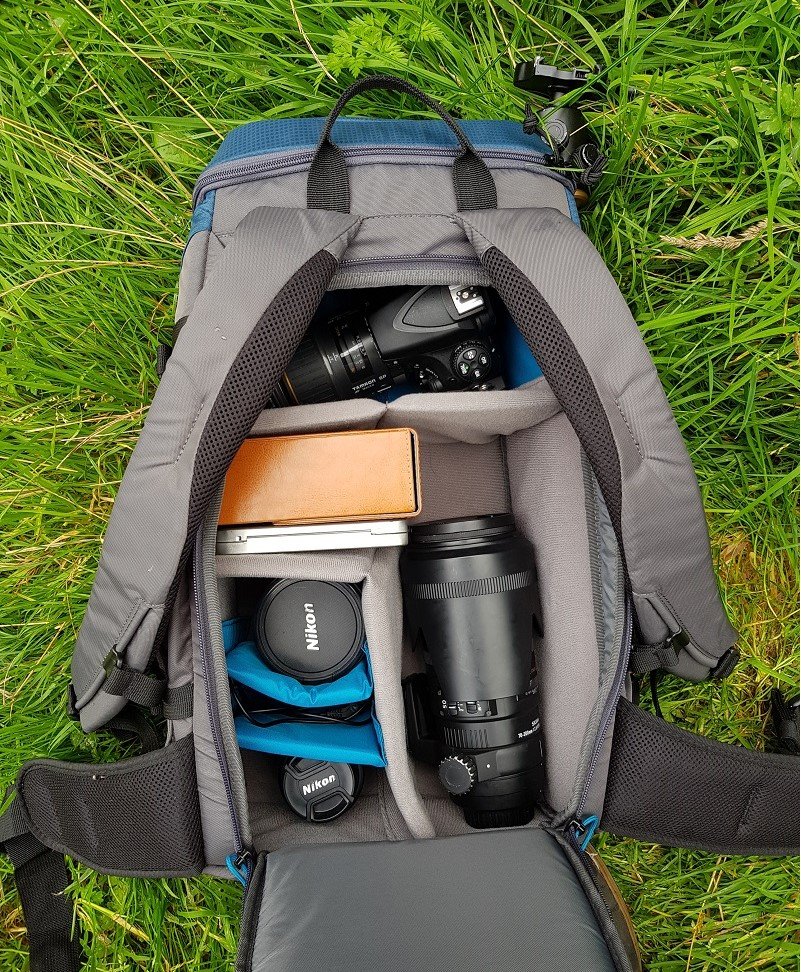
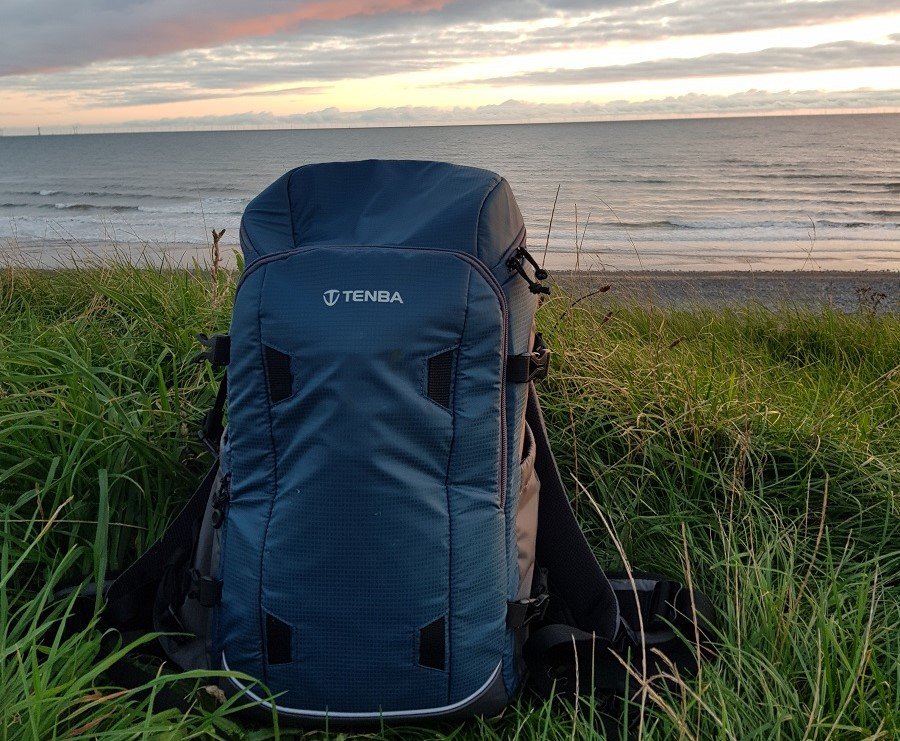
The Tenba Solstice 20L sits in a competitive mid-range segment, but it punches well above its weight. Designed for photographers who need to carry a full system without the bulk of an expedition pack, it balances protection, accessibility, and comfort in ways that many rivals simply don't. Whether you're shooting waterfalls in remote gorges or navigating crowded urban markets, the Solstice has a configuration for you.
I've tested this bag alongside packs from Lowepro, Peak Design, and F-Stop — and it consistently holds its own. Below, you'll find everything you need to know before buying, including capacity breakdowns, common pitfalls other reviewers miss, and honest comparisons with the competition.
Contents
Packing Mistakes That Damage Your Gear
The Tenba Solstice 20L is forgiving, but no bag can save you from bad packing habits. I've seen photographers make the same errors across dozens of different packs, and the consequences range from scratched lens coatings to cracked LCD screens. Here's what to avoid.
Overloading the Main Compartment
The Solstice 20L has a rated capacity that comfortably fits a mirrorless or compact DSLR body with three to four lenses. The temptation is to treat it like a bottomless pit. Don't. When you stuff gear past the natural resistance of the padded dividers, you create internal pressure points that grind elements together during movement.
- Limit your body count to one camera plus a maximum of four lenses for this size pack
- Leave at least a finger's width of clearance between the top of your tallest lens and the lid pocket
- Never store a lens with a hood attached facing downward — it concentrates impact force on the mount
- If you're carrying a mirrorless body with a battery grip, remove the grip and store it in the top pocket
Weight distribution matters just as much as total weight. The Solstice's back-panel access means the heaviest items — your camera body and fastest glass — should sit against the padded back wall, closest to your spine. Lighter accessories go toward the front of the bag.
Ignoring the Divider System
Tenba includes a set of adjustable Velcro dividers, and too many photographers just leave them in the default factory configuration. That generic layout rarely matches anyone's actual kit. Spend ten minutes rearranging the dividers around your specific gear. The dividers are stiff enough to hold shape but flexible enough to create custom-sized slots for unusual items like portable LED panels or audio recorders.
One critical mistake: removing dividers entirely to create one large open space. Without internal structure, every bump sends your gear sliding into neighboring equipment. Even if you wrap individual items in lens pouches, the lack of rigid separation turns your backpack into a tumble dryer on uneven terrain.
How to Get the Most From the Solstice 20L
Getting the Solstice to work brilliantly comes down to understanding its design philosophy. Tenba built this bag for photographers who move — hikers, street shooters, travellers. The features are there; you just need to use them intentionally.
Organizing for Quick Access
The side-access panel is the Solstice's standout feature. You can swing the bag to your hip, unzip the side, and pull your camera body without ever setting the pack down. But this only works if you pack your primary body in the correct orientation.
- Position your main camera body with the grip facing the side-access zipper
- Attach your most-used lens — a versatile zoom like a 24-70mm or a fast prime like a 50mm f/1.8 — before storing it
- Keep the side-access pocket uncluttered; don't wedge lens caps or filters in front of the body
- Practice the draw motion at home until it becomes muscle memory
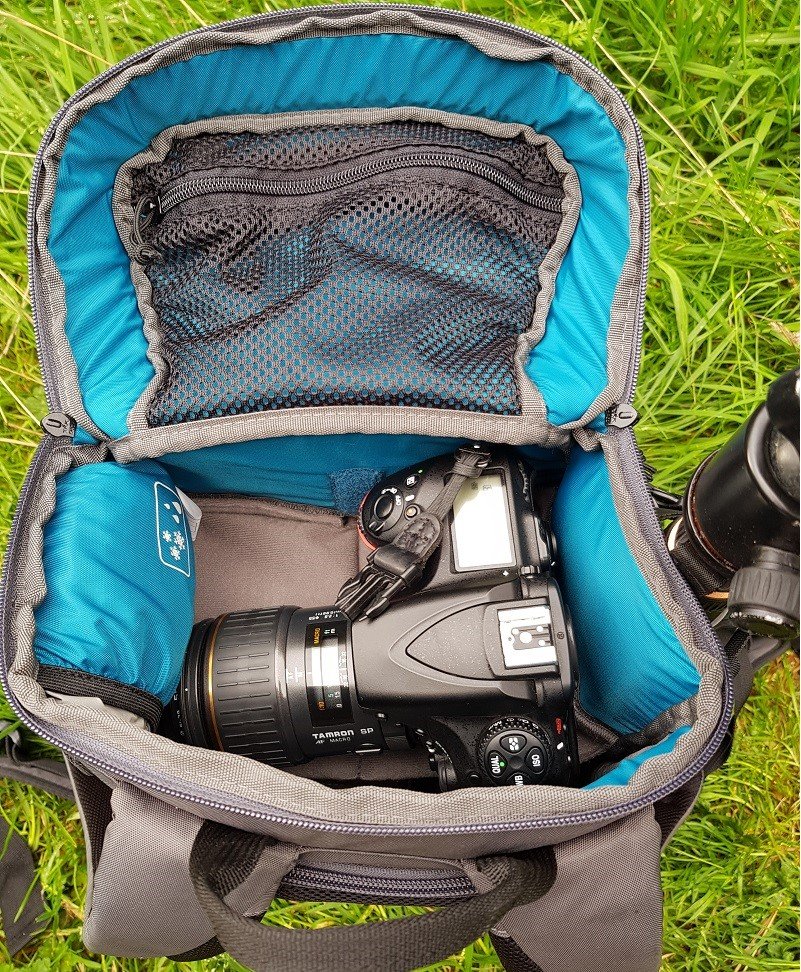
The top compartment is generously sized for a 20L pack. I regularly fit a rain jacket, snacks, sunscreen, and a compact portable hard drive in there without compressing anything. A mesh inner pocket keeps memory cards and batteries separated from bulkier items.
Weather-Proofing Your Setup
The Solstice uses a water-resistant nylon exterior that handles light rain and mist without issue. For sustained downpours, you'll want the included rain cover — it's stashed in a dedicated pocket at the base of the pack. Pull it out and stretch it over the bag before the rain hits, not during. Wet zippers are harder to seal, and moisture that enters the main compartment stays trapped against padded dividers that take hours to dry.
If you frequently shoot in harsh conditions — overnight astrophotography sessions with heavy dew, for example — consider storing silica gel packets inside the main compartment. Two or three sachets absorb ambient moisture and protect lens coatings from condensation damage over long exposures to cold air.
Tenba Solstice 20L Backpack Review: Myths vs. Reality
Online forums are full of confident claims about this bag that don't survive contact with real-world use. Let's set the record straight on the two biggest misconceptions.
It's Too Small for Serious Work
This is the most common complaint, and it's largely wrong. The Solstice 20L fits a full-frame mirrorless body, a 70-200mm f/2.8 (stored diagonally), a 24-70mm, a wide-angle prime, and a flash unit — simultaneously. That's a professional event shooter's core kit. The bag doesn't accommodate a 15-inch laptop, true, but the dedicated sleeve handles tablets up to 10 inches and most 13-inch ultrabooks.
The confusion stems from photographers comparing raw litre capacity without accounting for how efficiently a bag uses its internal volume. Tenba's rectangular interior wastes almost no space on curved walls or tapering profiles. Twenty litres of usable space in the Solstice equals roughly twenty-five in a bag with less disciplined geometry.
Build Quality Won't Last
Some reviewers question Tenba's durability because the bag feels lighter than competitors at the same price point. The Solstice weighs approximately 1.36 kg (3 lbs) — about 20% lighter than the Lowepro ProTactic 350 AW II. Lighter doesn't mean flimsier. Tenba uses high-tenacity nylon with reinforced stitching at all stress points: shoulder strap anchors, zipper ends, and the base panel.
After extensive use over multiple seasons — including being dropped on rocky ground, dragged through airport conveyor systems, and soaked in a Scottish thunderstorm — the only visible wear on my unit is minor pilling on the shoulder strap mesh. The zippers still run smoothly. The Velcro dividers haven't lost grip. According to denier ratings, the Solstice's 600D fabric sits firmly in the heavy-duty category for camera bags.
Field-Tested Tips for the Tenba Solstice
After carrying this pack across multiple countries and through every shooting scenario from weddings to wilderness hikes, I've developed a set of techniques that make it work even better than the factory setup suggests.
Tripod Carry Solutions
The Solstice 20L includes dual side compression straps and a dedicated tripod attachment system along the front panel. For compact travel tripods — like the Vanguard Veo 2 series — this works flawlessly. Thread the feet into the bottom cup, cinch the upper strap, and the tripod rides securely without swinging.
For full-size tripods, you'll need a workaround:
- Remove the centre column and store it inside the top pocket
- Collapse the legs fully and strap them to the side using both compression straps
- If the tripod is too long for side carry, use a carabiner to clip the apex to the top handle and let the legs rest against the bottom strap
Full-size carbon fibre tripods over 50cm collapsed length will extend beyond the bag's footprint and catch on branches or doorframes. For serious landscape work requiring a heavy tripod, consider the Solstice 24L instead — or simply hand-carry the tripod separately.
Airport and Travel Advice
The Solstice 20L meets carry-on size restrictions for every major airline I've tested. It slides under economy seats and fits overhead bins without negotiation. The back-panel access is a genuine security advantage — no one can unzip the main compartment while you're wearing it, since the opening faces your back.
- At security checkpoints, open the back panel fully and lay the bag flat so screeners can see the equipment layout clearly
- Keep a printed gear list in the top pocket — some countries require itemized declarations for camera equipment
- Use the tablet sleeve for documents like boarding passes and customs forms during transit
- Attach a luggage tag to the top handle — the bag's understated design makes it less of a theft target than branded camera bags, but it also means it looks like every other black backpack on a carousel
If you're packing for a multi-day trip and need to carry extra accessories beyond what the Solstice holds, pair it with a small crossbody pouch for filters, spare batteries, and cleaning supplies. This keeps the main compartment dedicated to core camera gear and prevents the constant digging that slows you down at golden hour.
Tenba Solstice 20L vs. the Competition
Numbers tell part of the story. Here's how the Solstice stacks up against three of its closest rivals in the 20-24L range.
Specs at a Glance
| Feature | Tenba Solstice 20L | Lowepro ProTactic 350 AW II | Peak Design Everyday 20L | Manfrotto Advanced² Active |
|---|---|---|---|---|
| Weight | 1.36 kg | 1.67 kg | 1.41 kg | 1.55 kg |
| Dimensions (cm) | 29 × 47 × 20 | 27 × 46 × 17 | 30 × 45 × 20 | 32 × 49 × 19 |
| Laptop Sleeve | Up to 13" | Up to 13" | Up to 15" | Up to 15" |
| Side Access | Yes (both sides) | Yes (both sides) | Yes (both sides) | No |
| Rain Cover | Included | Included | Not included | Included |
| Tripod Attachment | Front + side straps | Side straps only | Side straps only | Side strap + bottom |
| Back Panel Access | Full back panel | Full back panel | Side zip only | Full back panel |
| Approx. Price | $130–150 | $160–180 | $260–280 | $110–130 |
Which Bag Wins and Why
Each of these packs serves a slightly different photographer. The Peak Design Everyday is the premium choice with superior aesthetics and a larger laptop sleeve, but it costs nearly double the Solstice and lacks an included rain cover. You're paying for design language and brand cachet as much as function.
The Lowepro ProTactic is the closest competitor in terms of feature parity. It edges ahead with a modular MOLLE-style webbing system for attaching external pouches. But it's noticeably heavier, and the extra weight compounds over long hikes. If you're primarily a studio or urban shooter who rarely walks more than a mile with the bag, the ProTactic's modularity is worth the trade-off.
The Manfrotto Advanced² hits a lower price point but sacrifices side access entirely. For photographers who need to pull their camera quickly without setting the bag down — street shooters, event photographers, anyone working with moving subjects — that's a dealbreaker.
The Tenba Solstice 20L occupies the sweet spot. It's light enough for all-day carry, protective enough for professional equipment, and priced fairly for the feature set. It lacks the laptop capacity for photographers who also need a mobile editing station, but for pure shooting bags, it's hard to beat at this price. If you're building out a kit around a camera under $500 or a high-end full-frame system alike, the Solstice protects the investment without demanding a second investment of its own.
Frequently Asked Questions
Can the Tenba Solstice 20L fit a full-frame DSLR with a battery grip?
Yes, but with limitations. A gripped body like a Canon 5D IV or Nikon D850 fits in the main compartment, though it reduces your remaining lens slots to two or three depending on lens size. Remove the battery grip if you need to carry four or more lenses.
Does the Solstice 20L come with a rain cover?
It does. Tenba includes a dedicated rain cover that stows in a zippered pocket at the base of the pack. The cover fits snugly over the bag and provides full waterproof protection for heavy rain. The shell fabric itself handles light rain and drizzle without the cover.
Is the Tenba Solstice 20L suitable for hiking?
Absolutely. The sternum strap and padded hip belt distribute weight effectively for hikes of several hours. The ventilated back panel reduces sweat buildup on warm days. For multi-day treks where you also need camping gear, you'll want a larger pack — but for day hikes with a full camera kit, the 20L performs exceptionally well.
How does the Solstice 20L handle airline carry-on requirements?
The bag's dimensions (29 × 47 × 20 cm) fall within carry-on limits for all major airlines, including budget carriers with stricter size policies. It fits under economy seats and in overhead bins without issues. The back-panel access also makes security screening straightforward.
What's the difference between the Solstice 20L and the Solstice 24L?
The 24L version adds approximately four litres of internal volume, a larger laptop sleeve (up to 15 inches), and slightly deeper side pockets. It's roughly 200g heavier. Choose the 20L for day trips and travel where weight matters; choose the 24L if you carry a laptop or need room for a large telephoto lens like a 100-400mm.
Final Thoughts
The Tenba Solstice 20L earns its place as one of the best mid-range camera backpacks available. It protects your gear, keeps weight manageable, and gives you fast access when the light is right and the moment won't wait. If you're shopping for a do-everything photography pack that won't drain your budget, head to your local camera shop and try one on with your actual kit loaded inside — that ten-minute test will tell you more than any review ever could.
 |
 |
 |
 |

About Alex W.
Alex is a landscape, equine, and pet photographer based in the Lake District, UK, with years of experience shooting in one of Britain's most photographically demanding natural environments. His work has been featured in Take a View Landscape Photographer of the Year, Outdoor Photographer of the Year, and Amateur Photographer Magazine — publications that reflect a serious, competitive standard of image-making. At Click and Learn Photography, he shares the camera settings, gear choices, and compositional techniques he has developed through real-world shooting and competition-level work.
You can Get FREE Gifts. Furthermore, Free Items here. Disable Ad Blocker to receive them all.
Once done, hit anything below
|
|
|
|