Over 31 million people visit the UK's national parks each year, and a staggering number of them bring cameras — yet most leave with the same predictable shots from the same overused viewpoints. Finding the best landscape photography locations UK has to offer means going beyond the postcard angles and understanding what each region actually delivers. Our team has spent years exploring these locations, and we've put together this guide to help anyone — from first-time landscape shooters to seasoned professionals — make the most of what the British Isles have to offer. For a broader foundation, our ultimate guides section covers everything from gear selection to post-processing workflows.
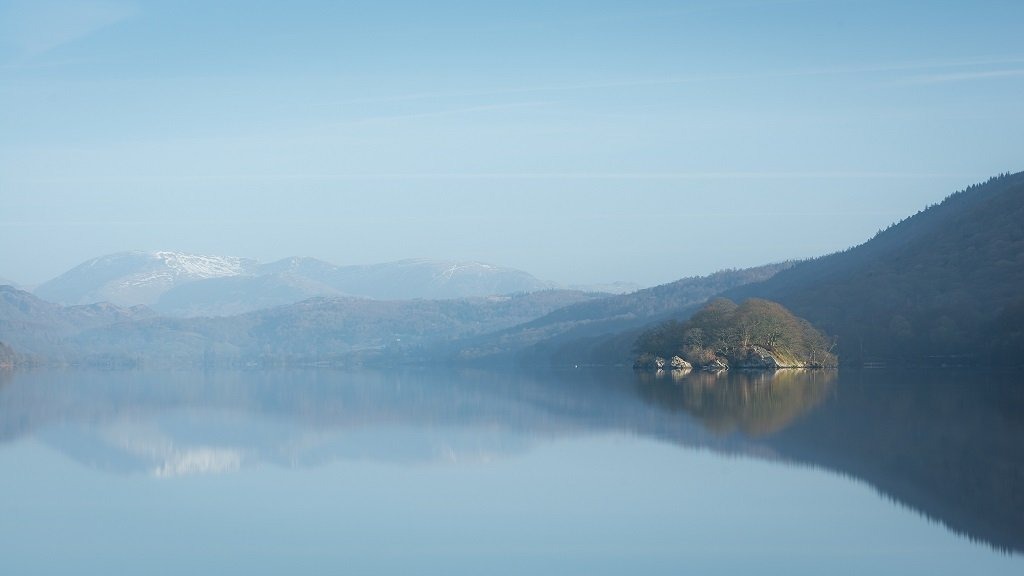
The UK packs an absurd amount of geographic diversity into a relatively small island. Within a few hours' drive, photographers can move from dramatic coastal cliffs to misty highland valleys to glacial lakes framed by ancient woodland. That density is a genuine advantage — no other country in Europe offers this range of landscapes in such a compact area.
This guide breaks down six prime locations, but more importantly, it explains how to approach each one strategically. Knowing where to go is only half the battle. The other half is understanding the conditions, the gear requirements, and the compositional opportunities that separate a good shot from one that stops people mid-scroll. Anyone looking for a solid starting point should check out our landscape photography ebook for the fundamentals.
Contents
Accessible vs Remote: Picking Locations by Experience Level
Not every best landscape photography location in the UK demands a four-hour hike and a pre-dawn alarm. Some of the most rewarding spots sit within walking distance of car parks, while others require genuine hill fitness and navigation skills. Knowing which category a location falls into saves time, prevents frustration, and — critically — keeps people safe.
Beginner-Friendly Locations
The Lake District and Dorset are our top recommendations for anyone just getting into landscape work. Here's why:
- The Lake District has well-marked trails, reflective lakes accessible from roadside pull-offs, and compositions that practically frame themselves. Derwentwater and Buttermere both offer world-class reflections within a 10-minute walk from parking.
- Dorset's Jurassic Coast provides dramatic coastal geology — Durdle Door and Lulworth Cove — with minimal physical demands. Most iconic viewpoints sit along clearly signposted coastal paths.
- Both areas have reliable mobile signal, nearby villages for supplies, and well-documented photography guides online.
Anyone who's still building confidence with camera settings should read our guide on shooting in manual mode before heading out. Landscape photography almost always demands manual control over exposure, and these gentler locations are the perfect classroom.
Advanced and Remote Locations
The Isle of Skye, Glencoe, and parts of Snowdonia are a different proposition entirely. These locations reward experience and preparation:
- Isle of Skye involves single-track roads, unpredictable weather that changes by the hour, and some viewpoints (like the Quiraing) that require steep scrambles.
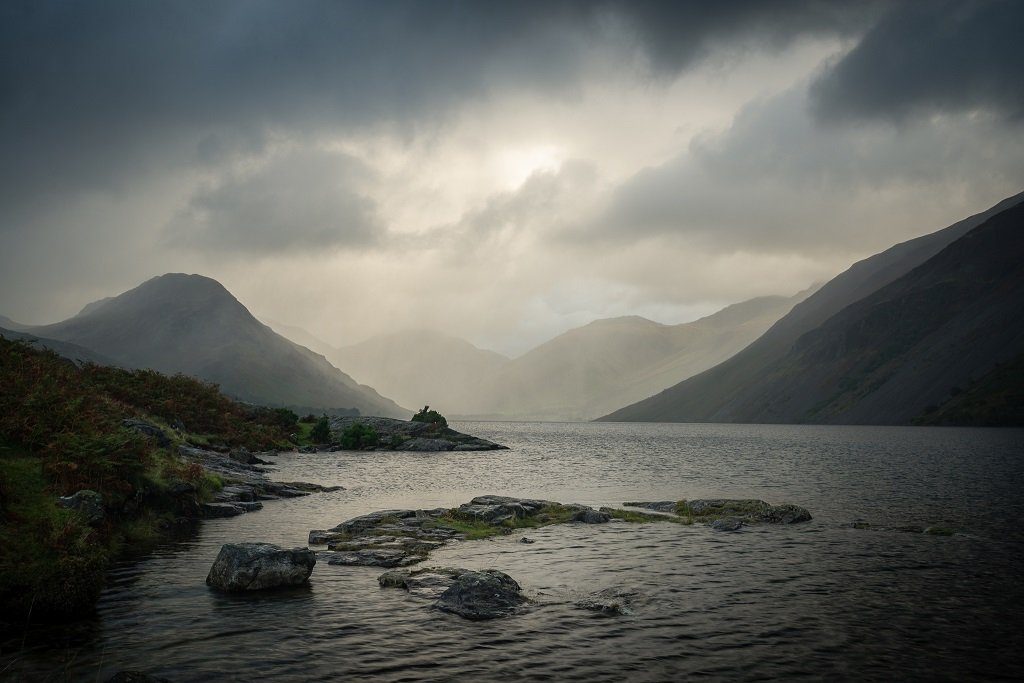
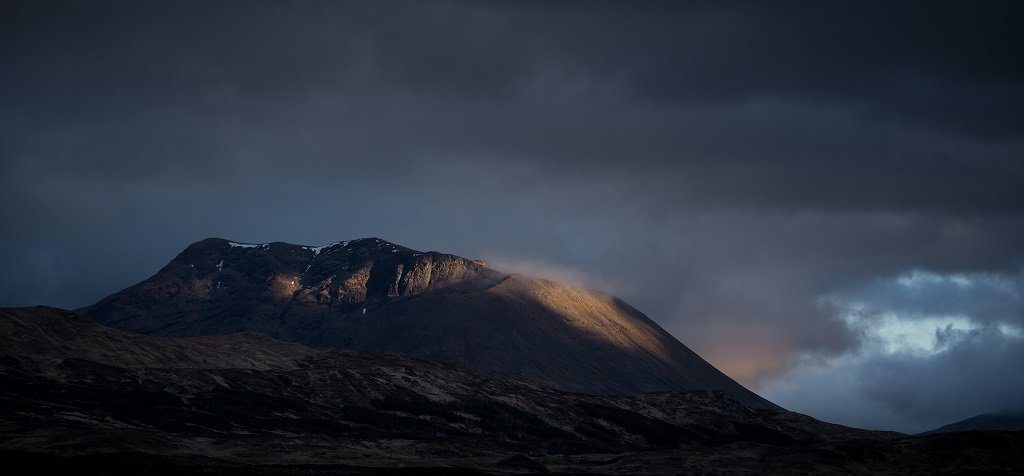
- Glencoe sits in one of the wettest parts of Scotland. The dramatic atmosphere comes at a price — wind, rain, and limited daylight in autumn and winter.
- Snowdonia's higher ridges (Crib Goch, the Glyderau) demand hill walking fitness and mountain navigation skills.
Our team's position is blunt: don't underestimate Scottish and Welsh mountain weather. We've seen experienced photographers get caught out by conditions that turned dangerous within minutes. Proper layering, waterproof bags for gear, and a realistic assessment of fitness level are non-negotiable.
What Each Location Delivers: Genres and Shooting Opportunities
Each of these six locations lends itself to different photographic genres. Rather than treating them as interchangeable "pretty places," our team approaches them as distinct tools in a creative toolkit.
Coastal Drama: Dorset and County Antrim
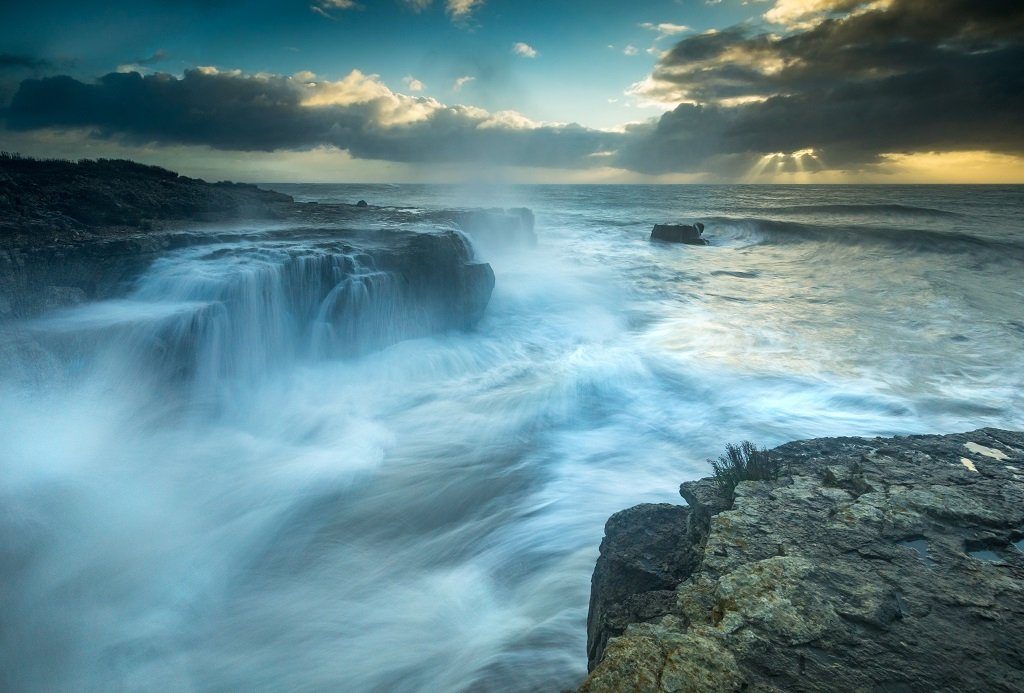
Dorset's Jurassic Coast is a UNESCO World Heritage Site stretching 95 miles along the English Channel. The rock formations span 185 million years of geological history, which translates into extraordinary textures and shapes for photography. Long exposure work with ND filters turns the English Channel into milky glass against those ancient rock arches.
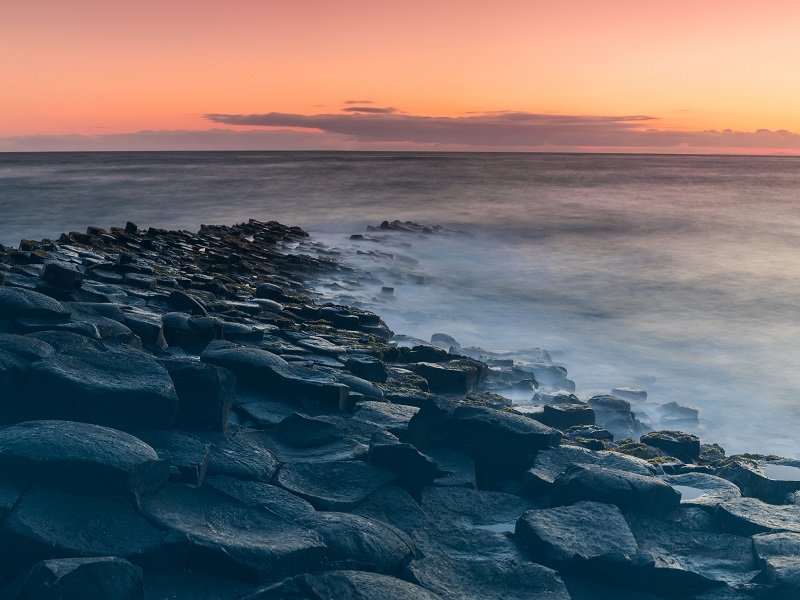
County Antrim in Northern Ireland offers a completely different coastal personality. The Giant's Causeway's hexagonal basalt columns are one of the most geometrically striking natural formations anywhere. The Dark Hedges — a tunnel of beech trees — adds a moody, almost fantastical element that works beautifully in fog or overcast light. Those cloudy day conditions that most beginners avoid are exactly what makes Antrim sing.
Mountain and Moody: Snowdonia, Glencoe, and Skye
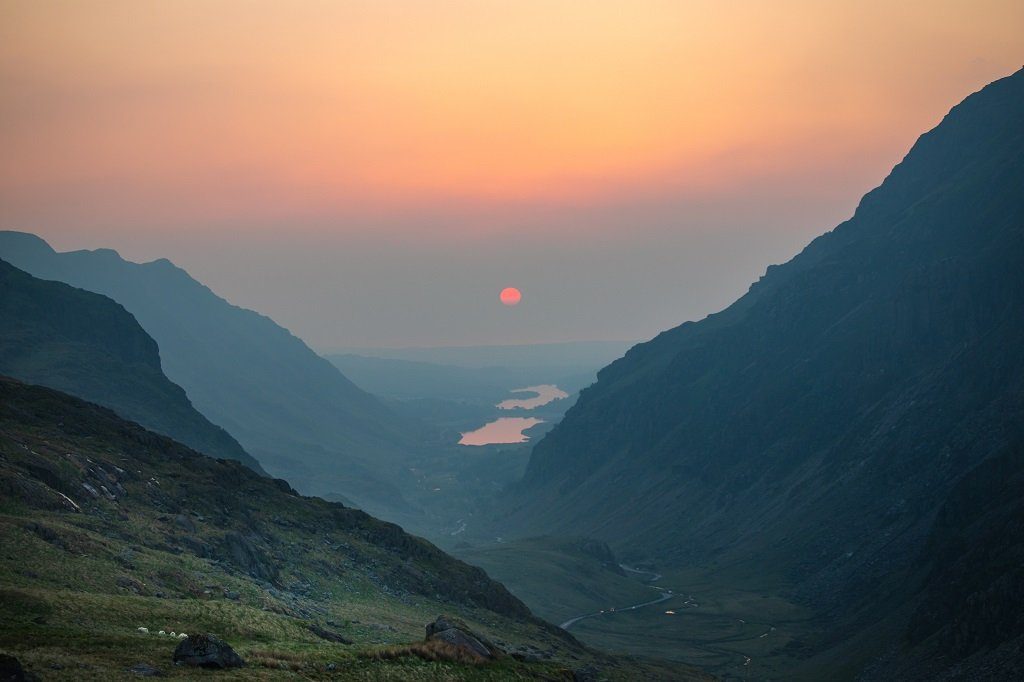
These three locations share a moody, dramatic character but each has a distinct identity. Snowdonia's Llyn Padarn and Llyn Ogwen offer mountain reflections with foreground slate textures. Glencoe is pure raw drama — the Three Sisters ridgeline against brooding skies is one of the most powerful compositions in UK photography. And Skye's Old Man of Storr and Fairy Pools combine surreal geology with crystal-clear water.
Mountain locations are where a solid tripod becomes essential, not optional. Wind gusts in exposed positions make handheld shooting at low ISOs nearly impossible.
Reflections and Tranquility: The Lake District
The Lake District is the UK's answer to Patagonia — on a smaller, more accessible scale. Its strength lies in mirror-still lake reflections, especially at dawn before wind picks up. Wast Water, Ullswater, and Derwentwater each deliver reliably, and the surrounding fells provide layered depth that stacks beautifully with a telephoto lens.
| Location | Best Genre | Difficulty | Best Season | Key Feature |
|---|---|---|---|---|
| Isle of Skye | Surreal landscapes | Advanced | Spring / Autumn | Unique rock formations |
| Dorset | Coastal / Long exposure | Beginner | All year | Jurassic rock arches |
| Snowdonia | Mountain reflections | Intermediate | Autumn / Winter | Lakes and slate valleys |
| Lake District | Lake reflections | Beginner | Autumn | Mirror-still water |
| Glencoe | Dramatic highlands | Advanced | Autumn / Winter | Three Sisters ridgeline |
| County Antrim | Geological / Moody | Beginner | All year | Basalt columns |
How to Get the Best Results at Each Location
Showing up at the right place is step one. Getting genuinely strong images requires understanding light, weather, and gear choices specific to UK conditions.
Reading Light and Weather
The UK's latitude means golden hour timing varies wildly across the seasons. In midsummer, Scottish sunrise can hit before 4:30 AM, while winter golden hour stretches luxuriously through mid-afternoon. Our team plans every shoot around these key principles:
- Overcast skies are an asset, not an obstacle. Flat light eliminates harsh shadows on rock formations and saturates greens. Most of our best Glencoe and Skye shots were taken under heavy cloud.
- Rain clears the air. The 20 minutes after a rain shower passes often produce the most vivid light conditions of the entire day.
- Coastal locations (Dorset, Antrim) work well in almost any light. The interplay of water and rock creates contrast even under grey skies.
- Mountain locations benefit from dramatic cloud formations. A partly cloudy day with fast-moving weather fronts is ideal for Snowdonia and Glencoe.
For those interested in pushing into after-dark work at these locations, our guide to night photography settings covers the technical foundations. Several of these spots — especially the Lake District and Skye — sit in dark sky areas with outstanding Milky Way potential.
Essential Gear Considerations
UK landscape photography doesn't demand exotic equipment, but it does demand weather-appropriate choices:
- A weather-sealed body and lenses. Scotland and Wales will test sealing limits.
- ND filters (6-stop and 10-stop) for coastal long exposures at Dorset and Antrim.
- A graduated ND filter or bracketing workflow for high-contrast mountain scenes.
- Lens cloths — plural. Moisture is constant. Carrying five or six microfibre cloths is not overkill.
- Waterproof camera bag or rain cover. This is not optional anywhere north of Birmingham.
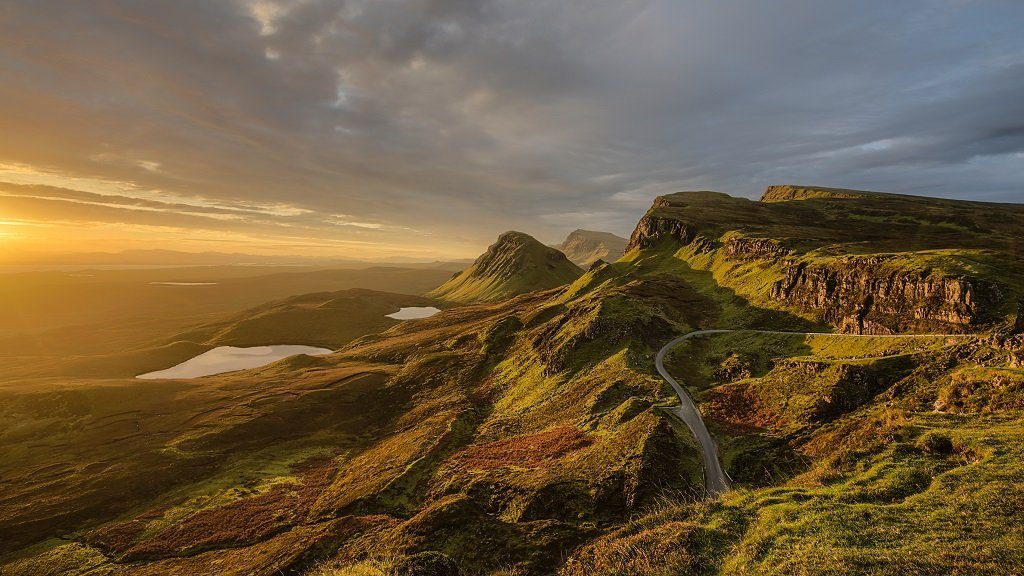
Wide-angle lenses (16-35mm equivalent) handle most landscape work, but our team always packs a 70-200mm as well. Telephoto compression transforms layered mountain ridgelines — particularly in Glencoe and the Lake District — into images that wide-angle simply cannot replicate.
Lesser-Known Tips for Best Landscape Photography Locations UK
Most landscape photography advice online covers the obvious: shoot at golden hour, use a tripod, compose with leading lines. These tips go deeper, based on our team's accumulated experience at these specific locations.
Scouting and Planning Techniques
Proper scouting separates productive photography trips from frustrating ones. Here's what works:
- Use Google Earth's historical imagery to see how a location looks across different months. Water levels, vegetation density, and even snow cover are visible in the timeline slider.
- Check tide tables before any coastal shoot. At Dorset, Durdle Door's beach vanishes completely at high tide. At the Giant's Causeway, the best basalt column compositions are only accessible at low tide.
- Arrive the evening before a dawn shoot. Scout compositions in the remaining daylight so the morning is pure execution, not fumbling with a headtorch looking for foreground elements.
- Study the work of established landscape photographers working in these areas. Our roundup of landscape photographers to follow includes several UK specialists whose location knowledge is invaluable.
Planning tools like PhotoPills and The Photographer's Ephemeris show exact sun and moon positions for any date and GPS coordinate. Our team considers these apps as essential as the camera itself.
Composition Beyond the Basics
Most people visiting these locations default to the widest angle possible and try to fit everything into the frame. That instinct produces flat, unfocused images. Here's a better approach:
- Find a strong foreground element first, then build the composition backward. Rocks, moss-covered boulders, and water channels all work as anchors.
- Use the rule of thirds as a starting point, but break it deliberately when a centred reflection or symmetrical formation demands it.
- Shoot vertically more often. Waterfalls in Snowdonia, the Old Man of Storr on Skye, and cliff faces in Dorset all suit portrait orientation better than landscape.
The single biggest compositional improvement most people can make is slowing down. Rather than rattling off 50 frames from a single viewpoint, spending 10 minutes walking around a scene and testing different angles with the naked eye first produces dramatically stronger results. Anyone looking for more on this should explore our tips for travel photography — the mindset overlaps significantly.
Mistakes That Ruin UK Landscape Photography Trips
After years of shooting across these six locations, our team has made — and learned from — every mistake on this list. Avoiding these common errors makes the difference between a productive trip and a wasted one.
Planning Failures
The number one mistake is trying to cover too many locations in a single trip. The UK may be geographically compact, but single-track Highland roads, winding Lake District lanes, and unpredictable ferry schedules (Skye, if taking the Glenelg route) eat time fast. Our recommendation:
- Allocate a minimum of two full days per location. One day for scouting and testing compositions, one for the primary shoot.
- Never plan around a single sunrise or sunset. UK weather makes guarantees impossible. Having backup days built into the itinerary is the only reliable strategy.
- Book accommodation close to the shoot location. Driving 45 minutes to a dawn shoot means waking at 2:30 AM for a summer Scottish sunrise — and fatigue kills creativity faster than bad weather.
Another common planning failure is ignoring seasonal access restrictions. Parts of Snowdonia close for lambing season. The Quiraing car park on Skye fills before sunrise in peak season, forcing a much longer approach walk. Research access conditions before committing to specific locations.
Technical Errors in the Field
Technical mistakes at these locations tend to follow predictable patterns:
- Blowing highlights on bright skies. The UK's dramatic cloud formations mean high-contrast scenes are the norm. Bracketing exposures or using graduated filters prevents losing sky detail that's impossible to recover in post.
- Shooting at too high an ISO when conditions allow longer exposures. A tripod-mounted camera at ISO 100 will always outresolve a handheld shot at ISO 1600, and landscape subjects rarely move.
- Neglecting to check for water droplets on the front element between shots. Coastal wind at Dorset and Antrim throws salt spray constantly. One unnoticed droplet can ruin an otherwise perfect frame.
- Using autofocus in low-contrast fog or mist conditions. Scottish mist confuses AF systems. Switching to manual focus and using live view magnification gives precise control when it matters most.
- Forgetting spare batteries. Cold conditions in Highland locations drain lithium-ion batteries significantly faster. Carrying at least two spares — kept warm in an inner pocket — prevents the trip-ending frustration of a dead camera.
Post-processing mistakes deserve mention too. Over-saturating greens (a constant temptation with UK foliage) and over-sharpening detail both produce images that look immediately artificial. Our Lightroom export settings guide covers how to maintain natural tones through the editing pipeline.
Next Steps
- Pick one location from this list and commit to a trip within the next three months. Don't wait for perfect conditions — planning around "someday" means never going. The Lake District or Dorset are ideal starting points for anyone making a first dedicated landscape photography trip.
- Download a sun-position app (PhotoPills or The Photographer's Ephemeris), enter the GPS coordinates of the chosen location, and identify the best sunrise and sunset angles for the planned travel dates. Spend 30 minutes building a shot list before packing a single piece of gear.
- Assemble a weather-ready kit. At minimum: rain cover for the camera bag, five microfibre lens cloths, a sturdy tripod, and a 6-stop ND filter for coastal work. Test everything at a local park before the trip to eliminate surprises in the field.
- Study existing work from each location. Search Flickr, 500px, and Instagram by location tag to identify both the classic compositions and the less-photographed angles. Arrive with a clear creative brief rather than hoping inspiration strikes on the day.
- Shoot a full practice session in manual mode at a nearby location before the trip. Landscape photography in challenging UK conditions leaves no room for fumbling with settings. Muscle memory with aperture, shutter speed, and ISO adjustments must be automatic.
 |
 |
 |
 |

About Alex W.
Alex is a landscape, equine, and pet photographer based in the Lake District, UK, with years of experience shooting in one of Britain's most photographically demanding natural environments. His work has been featured in Take a View Landscape Photographer of the Year, Outdoor Photographer of the Year, and Amateur Photographer Magazine — publications that reflect a serious, competitive standard of image-making. At Click and Learn Photography, he shares the camera settings, gear choices, and compositional techniques he has developed through real-world shooting and competition-level work.
You can Get FREE Gifts. Furthermore, Free Items here. Disable Ad Blocker to receive them all.
Once done, hit anything below
|
|
|
|