You can check your camera's shutter count in under a minute — and knowing how to check camera shutter count could save you hundreds of dollars on a bad used camera purchase. Every time your camera takes a photo, the mechanical shutter fires and that number goes up. Think of it like an odometer on a car. Whether you're buying secondhand gear, evaluating your own camera's lifespan, or just curious about how much shooting you've done, shutter count gives you a concrete number to work with. If you're still building your skills and gear knowledge, our photography beginners section is a great place to start.
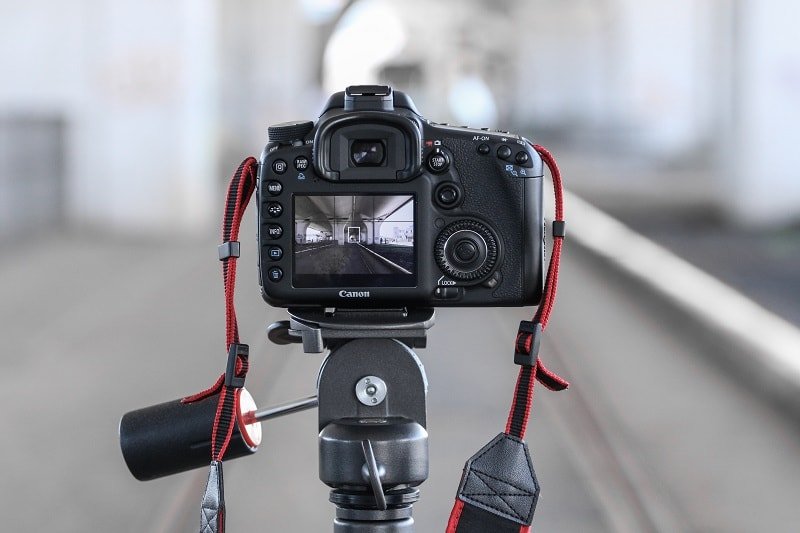
The shutter mechanism is one of the few truly mechanical parts left in a digital camera, and it doesn't last forever. Most manufacturers rate their shutters somewhere between 100,000 and 500,000 actuations depending on the camera tier. Knowing where your camera sits on that spectrum helps you plan ahead — whether that means budgeting for a replacement body, negotiating a fair price on a used listing, or simply understanding how your gear holds up under your shooting habits.
Below, you'll find every method available for checking shutter count, what those numbers actually mean for different camera brands, and how to use this information to make smarter decisions about your equipment.
Contents
What Shutter Count Actually Tells You
Shutter count — sometimes called shutter actuations or the actuation count — is simply the total number of times your camera's mechanical shutter has fired. Each photo you take with the mechanical shutter adds one to this count. It's stored in the camera's internal memory and, for most brands, embedded in the EXIF data of every image file.
But what does that number actually tell you? A few important things:
- Wear level — how much physical use the shutter mechanism has endured
- Usage intensity — a camera with 150,000 actuations in one year has been worked much harder than one with the same count over five years
- Remaining lifespan estimate — a rough guide to how much life the shutter has left based on the manufacturer's rating
Mechanical vs. Electronic Shutter
Modern mirrorless cameras offer both mechanical and electronic shutter modes. Only the mechanical shutter has moving parts that wear out. When you shoot in electronic shutter mode, the camera reads the sensor data digitally — no physical curtain moves. That means electronic shutter shots don't add to your actuation count.
This distinction matters more than most people realize. If you primarily shoot in electronic shutter mode (common for silent shooting or high frame rates), your mechanical shutter might have far less wear than your total photo count suggests. Some newer mirrorless bodies, like certain Sony and Canon models, even default to electronic shutter out of the box.
Why It Matters for Used Gear
When you're shopping for a used camera, shutter count is the single most objective data point you have. Cosmetic condition can be deceiving — a camera that looks pristine might have 300,000 actuations from studio work, while a beat-up body might only have 15,000. Understanding your camera's mechanical components pairs well with knowing your common photography terms inside and out.
Tools and Methods for Checking Shutter Count
There are three main approaches to finding your camera's shutter count, and the best one depends on your camera brand and what you have access to.
Reading EXIF Data From a Photo
The most universal method is to pull the shutter count directly from a photo's EXIF data. Here's how:
- Take a fresh photo with your camera using the mechanical shutter (not electronic)
- Transfer the file to your computer — use the original file, not a resized or edited version
- Open it with an EXIF reader like ExifTool, Irfanview, or any dedicated EXIF viewer
- Look for the field labeled "Shutter Count," "Image Count," or "Actuation Count"
Not all cameras embed this data. Canon DSLRs, for example, don't include shutter count in standard EXIF — you'll need brand-specific software or a service tool. Understanding how your camera stores metadata also helps when you're working on export settings in Lightroom, since EXIF data can be stripped or preserved depending on your choices.
Online Shutter Count Tools
Several websites let you upload a recent JPEG and read the shutter count for you. These are convenient but come with limitations:
- CameraShutterCount.com — supports most Nikon and Pentax models, some Sony
- ShutterCount app (Mac) — connects directly to Canon cameras via USB for an accurate reading
- Sony's built-in service menu — on some Alpha bodies, a specific button combination reveals the count
- Free EXIF viewers — tools like Jeffrey Friedl's EXIF viewer or the command-line ExifTool work across brands
Pro tip: Always check shutter count using an unedited photo straight from the camera. Editing software and social media uploads strip EXIF data, making the count unreadable.
In-Camera Menu Options
Some brands make it easy by putting the count right in the menu system:
- Nikon — no native menu option, but every JPEG embeds the count in EXIF
- Sony — some models display it under Service Mode (power on while holding specific buttons)
- Canon — typically requires third-party tools like Magic Lantern (for supported DSLRs) or the ShutterCount app
- Fujifilm — no standard method; shutter count is not reliably stored in EXIF on most models
- Olympus/OM System — hidden service menu accessible via button combinations at startup
Shutter Life Ratings by Camera Brand
Manufacturers test and rate their shutters for a specific number of actuations. These are minimum rated lifespans, not hard failure points — many shutters last well beyond their rating.
| Camera Tier | Typical Rating | Example Models |
|---|---|---|
| Entry-level DSLR/Mirrorless | 100,000 – 150,000 | Canon Rebel series, Nikon D3x00, Sony a6x00 |
| Enthusiast / Mid-range | 150,000 – 200,000 | Nikon D7500, Canon 90D, Sony a7 III |
| Professional | 200,000 – 400,000 | Nikon D850, Canon R5, Sony a1 |
| Flagship / Sports | 400,000 – 500,000 | Nikon D6, Canon R3, Sony a9 series |
Entry-Level vs. Professional Bodies
The gap between entry-level and professional shutter ratings reflects real engineering differences. Pro bodies use heavier-duty shutter assemblies with carbon fiber or Kevlar blades, while entry-level cameras use lighter, less durable materials. But even a budget camera rated at 100,000 actuations will often reach 200,000 or more before failure.
The key factor isn't just the total count — it's the shooting pattern. A sports photographer firing 2,000 frames per session puts different stress on the mechanism than a landscape photographer taking 50 deliberate shots per outing. If you're working on improving your photography skills, understanding your camera's limits helps you shoot more confidently without overthinking every actuation.
Common Shutter Count Myths
There's a lot of misinformation floating around forums and YouTube comment sections about what shutter count means. Let's clear up the biggest ones.
The "Hard Limit" Myth
The most persistent myth is that your camera will stop working the moment it hits its rated shutter count. That's simply not true. The manufacturer's rating is a statistical reliability figure, not a countdown timer. It means the company has tested that a certain percentage of shutters (often 95% or more) will survive to that number without failure.
Plenty of cameras cruise past their rated count with no issues. There are well-documented cases of Nikon D700 bodies exceeding 700,000 actuations and Canon 5D Mark IIs passing 500,000. The rating tells you when you should start thinking about the shutter's age, not when you should panic.
Electronic Shutters and Wear
Another common misconception: "mirrorless cameras don't have shutter count issues because they're all electronic." While it's true that mirrorless cameras can shoot with an electronic shutter, most still include a mechanical shutter for situations where electronic rolling shutter artifacts would be a problem — think fast-moving subjects or shooting under artificial lighting.
Additionally, some photographers assume that because a camera has an electronic first curtain shutter option, the mechanical shutter isn't engaging at all. In most implementations, the second curtain is still mechanical. So you're reducing wear by roughly half, not eliminating it entirely. This is worth understanding if you do a lot of motion blur photography where longer exposures engage the shutter differently.
Planning Around Your Shutter's Lifespan
Knowing your shutter count lets you make practical decisions about maintenance, budgeting, and when to upgrade.
When Should You Actually Worry?
A reasonable approach is to think in percentages relative to your camera's rating:
- Under 25% of rated life — your shutter is essentially new. No concerns at all.
- 25% to 50% — well broken in. Still plenty of life left.
- 50% to 75% — middle age. Worth being aware of, but no action needed.
- 75% to 100% — consider setting aside a repair budget or watching for deals on a replacement body.
- Beyond rated life — you're on borrowed time statistically, but the camera could keep going for tens of thousands more shots.
The practical threshold? Start budgeting for a replacement or repair when you cross the 75% mark. That gives you time to plan without rushing into a purchase.
Shutter Replacement Costs
If your shutter does fail, it's not necessarily the end of your camera. Shutter replacement is a standard repair that most authorized service centers handle routinely. Here's what to expect:
| Camera Type | Estimated Repair Cost | Turnaround Time |
|---|---|---|
| Entry-level DSLR | $150 – $250 | 1–3 weeks |
| Mid-range DSLR/Mirrorless | $250 – $400 | 1–3 weeks |
| Professional body | $350 – $500 | 1–2 weeks (priority service available) |
Compare those costs against a new or used replacement body. For a high-end camera worth $2,000+, a $400 shutter replacement makes financial sense. For an entry-level body you bought for $500, it might be time to upgrade instead.
How to Check Camera Shutter Count When Buying Used
This is where shutter count knowledge becomes truly valuable. Whether you're browsing listings on eBay, Facebook Marketplace, or a dedicated camera reseller like KEH or MPB, knowing the actuation count helps you evaluate the deal.
Negotiating Based on Shutter Count
Before you buy, always ask the seller for a recent photo file straight from the camera. A trustworthy seller will provide one without hesitation. If they refuse or claim they don't know how, that itself is a red flag.
Once you have the shutter count, use it as a negotiation tool:
- A camera at under 10% of its rated life commands close to the going rate for "excellent" condition
- At 25-50%, expect a modest discount — the camera is well-used but has plenty of life
- At 50-75%, push for a meaningful reduction — the shutter is past its midpoint
- Above 75%, factor in the cost of a potential shutter replacement when making your offer
For example, if a used Canon R5 (rated at 500,000 actuations) shows 380,000 on the counter, that's 76% through its rated life. You'd want to factor $350–$500 for a shutter replacement into your offer price. Knowing how to evaluate gear like this is part of understanding your camera's functions beyond just taking photos.
Red Flags Beyond the Number
Shutter count is important, but it's not the only thing to check when buying used. Watch for these warning signs:
- Reset or replaced shutter count — some sellers replace the shutter and reset the count, then sell the camera as "low actuations." Ask for service records.
- EXIF data stripped — if the seller provides photos with no EXIF data, request unedited originals
- Sensor issues — hot pixels, banding, or dust spots indicate problems beyond shutter wear
- Inconsistent story — if the seller says "barely used" but the count is 180,000, something doesn't add up
- No original accessories — missing chargers, caps, and boxes often signal a camera that's been through multiple owners
Frequently Asked Questions
Can I check shutter count on any camera?
Not all cameras make it easy. Nikon and Pentax embed shutter count in EXIF data by default, Sony provides it through service menus on many models, while Canon typically requires third-party software. Fujifilm cameras generally don't provide reliable shutter count access at all.
Does shooting video add to the shutter count?
No. Video recording doesn't fire the mechanical shutter, so it doesn't increase the actuation count. However, each time you start and stop a video clip, the camera may fire the shutter once to open or close, adding a small number to the total.
Is 50,000 shutter actuations a lot?
It depends on the camera's rating. For a professional body rated at 400,000, 50,000 is barely broken in. For an entry-level camera rated at 100,000, it's at the halfway mark. Always compare the count to the specific model's rated lifespan.
Can the shutter count be reset or rolled back?
On most cameras, the shutter count is stored in firmware and can't be easily reset by the user. However, when a shutter is replaced by a service center, the count may reset. Some unscrupulous sellers use firmware hacks to roll back the counter, which is why you should also inspect overall camera condition.
Does electronic shutter mode extend my camera's life?
Yes. Since electronic shutter mode doesn't engage the mechanical shutter, those shots don't add to the actuation count. If your camera supports it and you don't experience rolling shutter issues, using electronic shutter mode regularly can significantly extend the mechanical shutter's lifespan.
Should I avoid buying a camera with a high shutter count?
Not necessarily. A high count on a professional body might still represent only 40-50% of its rated life. Focus on the percentage relative to the rating, not the raw number. A Nikon D850 at 200,000 actuations has used about half its rated lifespan and likely has years of reliable use ahead.
Next Steps
- Check your own camera's shutter count right now. Take a fresh photo with the mechanical shutter, transfer it to your computer, and run it through a free EXIF viewer or CameraShutterCount.com. Write down the number and your camera's rated lifespan so you have a baseline.
- Switch to electronic shutter for everyday shooting. If your camera supports it, enable electronic shutter mode for casual shooting, street photography, and any situation where rolling shutter artifacts aren't a concern. Reserve the mechanical shutter for fast action and flash sync.
- Set a budget reminder at 75% of your shutter's rated life. Calculate when you'll likely hit that threshold based on your current shooting pace, and start setting aside funds for either a shutter replacement or a body upgrade — so you're never caught off guard.
- Before your next used camera purchase, request an unedited photo file. Make it standard practice to check shutter count before agreeing on a price. Compare the count to the model's rated lifespan and adjust your offer accordingly.
 |
 |
 |
 |

About Alex W.
Alex is a landscape, equine, and pet photographer based in the Lake District, UK, with years of experience shooting in one of Britain's most photographically demanding natural environments. His work has been featured in Take a View Landscape Photographer of the Year, Outdoor Photographer of the Year, and Amateur Photographer Magazine — publications that reflect a serious, competitive standard of image-making. At Click and Learn Photography, he shares the camera settings, gear choices, and compositional techniques he has developed through real-world shooting and competition-level work.
You can Get FREE Gifts. Furthermore, Free Items here. Disable Ad Blocker to receive them all.
Once done, hit anything below
|
|
|
|