You become a better photographer by shooting deliberately, studying your mistakes, and learning the fundamentals that separate snapshots from compelling images. Knowing how to become better photographer isn't about buying expensive gear or waiting for inspiration to strike — it's about building habits that sharpen your eye over time. Whether you're just starting out in photography for beginners or you've been shooting for a while and feel stuck, these practical tips give you a clear path forward.
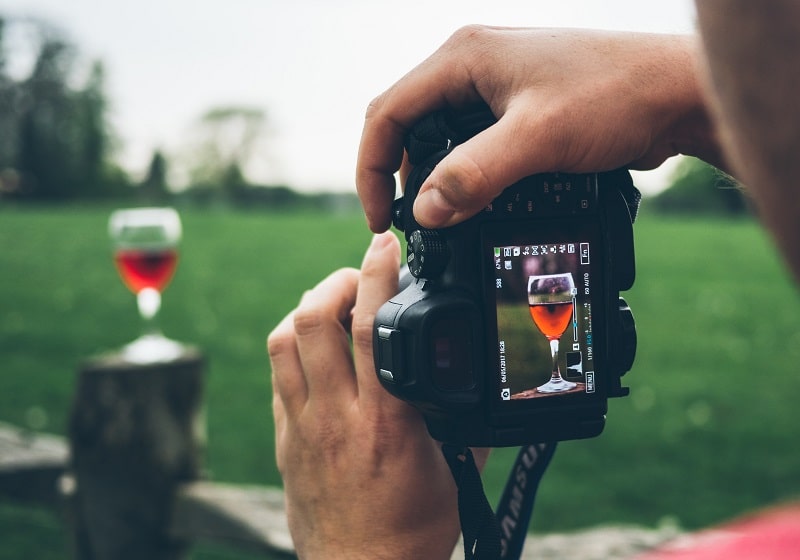
The photographers you admire didn't get there overnight. They put in thousands of hours refining their craft, experimenting with light, and learning from every failed shot. The good news is that growth in photography is predictable — follow the right process and you will see results.
Below, you'll find actionable advice covering everything from mindset shifts and essential gear to hands-on techniques you can practice this week. Let's cut through the noise and focus on what actually moves the needle.
Contents
Why Most Photographers Stay Stuck
The Comfort Zone Trap
You find a style or subject that works, and you stop experimenting. This is the single biggest reason photographers plateau. Growth requires discomfort — shooting genres you've never tried, working in lighting conditions that intimidate you, and accepting that some sessions will produce nothing usable.
- Shoot one unfamiliar genre per month — street, macro, portraits, whatever scares you
- Revisit locations you've already shot and force yourself to find new angles
- Set constraints like "only 24 shots" to mimic the discipline of film photography
- Study photographers outside your niche for fresh perspective
Shooting Without Intention
Spraying hundreds of frames and hoping for one good shot isn't practice — it's gambling. Intentional shooting means deciding before you press the shutter what you want to communicate. Ask yourself: what's the subject, what's the mood, and where should the viewer's eye land?
Try this exercise: go out with the goal of capturing exactly five strong images. No more. This forces you to slow down, think about composition techniques like leading lines, and be deliberate with every frame.

Photography Myths That Hold You Back
Expensive Gear Equals Better Photos
This is the most persistent myth in photography. A $3,000 camera body in unskilled hands produces worse results than a $500 body used by someone who understands light and composition. Gear matters at the margins — when you're pushing into low-light performance, extreme telephoto reach, or professional-speed autofocus. For everything else, technique wins.
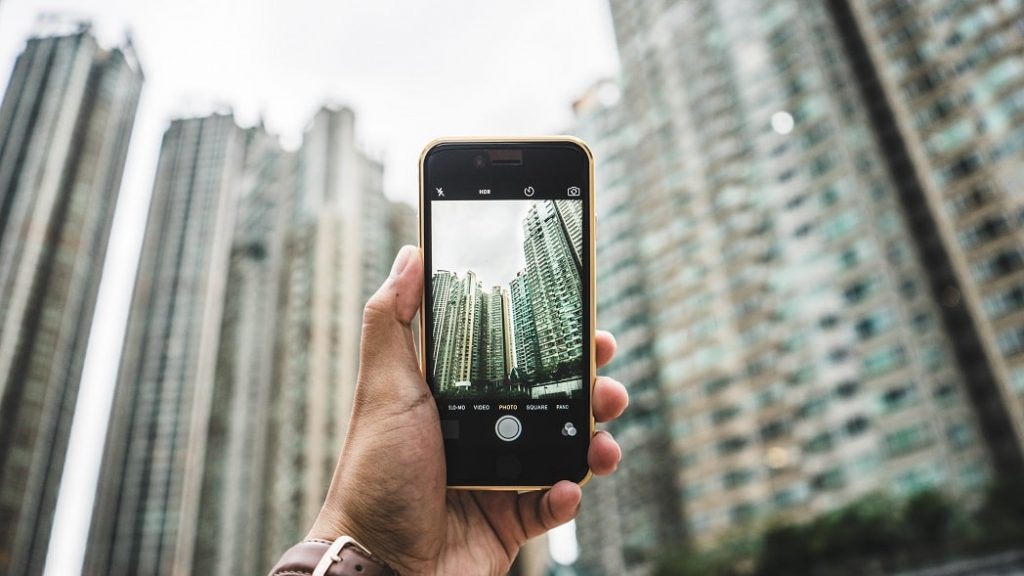
- Your phone camera is good enough to practice composition daily
- Kit lenses produce stunning images when you understand their sweet spots
- Post-processing skill compensates for a lot of hardware limitations
- The best camera is the one you actually carry and use
You Need Natural Talent
Photography is a learnable skill, not an innate gift. The rule of thirds, exposure triangle, and color theory are all teachable concepts. What separates good photographers from great ones is accumulated practice hours and a willingness to critically evaluate their own work.
Pro tip: The fastest way to improve isn't taking more photos — it's spending more time reviewing and honestly critiquing the photos you've already taken.
Essential Gear for Growing Photographers
What to Prioritize First
If you're wondering where to put your money, invest in lenses before camera bodies. A quality lens outlasts multiple camera upgrades and has a bigger impact on image quality than any sensor improvement. Here's the priority order:
- A versatile zoom lens (24-70mm or equivalent) or a fast prime (35mm or 50mm f/1.8)
- A sturdy tripod — essential for landscapes, long exposures, and self-portraits
- A spare battery and quality memory cards
- A camera bag that actually protects your gear
- Editing software (Lightroom, Capture One, or free alternatives like Darktable)
Accessories That Actually Matter
Skip the gimmicky accessories and focus on what working photographers rely on. A circular polarizer cuts reflections and boosts contrast in landscape shots. An ND filter opens up long-exposure possibilities in daylight. A reflector or simple off-camera flash setup transforms your portrait and product work.
What Photography Actually Costs
Budget Breakdown by Level
Understanding realistic costs helps you plan smarter and avoid impulse purchases. Here's what photographers typically spend at different stages:
| Level | Camera Body | Lenses | Accessories | Software | Total Range |
|---|---|---|---|---|---|
| Beginner | $400–$700 | $0 (kit lens) | $50–$100 | Free (Darktable) | $450–$800 |
| Enthusiast | $800–$1,500 | $300–$800 | $150–$400 | $10–$20/mo | $1,260–$2,720 |
| Advanced | $1,500–$3,000 | $1,000–$3,000 | $300–$800 | $10–$55/mo | $2,810–$6,855 |
| Professional | $2,500–$6,500 | $3,000–$10,000+ | $1,000–$3,000 | $30–$55/mo | $6,530–$19,555 |
Notice the jump between enthusiast and advanced. That's where diminishing returns kick in hardest. You get 90% of the image quality at 30% of the professional price point. Spend your budget on experiences and travel instead — photographing stunning landscapes teaches you more than any lens upgrade.
Taking Care of Your Equipment
Cleaning and Storage Basics
Your gear is an investment. Treat it like one. A few simple habits prevent costly repairs and keep your images sharp:
- Clean your sensor every 3–6 months — use a rocket blower first, then sensor swabs if needed
- Wipe lenses with a microfiber cloth, not your shirt
- Store gear in a dry cabinet or use silica gel packets in your camera bag
- Always attach a rear lens cap and body cap when swapping lenses
- Keep firmware updated — manufacturers regularly improve autofocus and image processing
Protecting Gear in the Field
Weather happens. Sand gets everywhere. Rain doesn't check your shooting schedule. Be prepared:
- Carry a rain cover or heavy-duty ziplock bags for emergencies
- Use a UV or clear filter as front-element protection on your best lenses
- Change lenses with the camera body facing down to minimize dust on the sensor
- Wrap your camera strap around your wrist in crowded areas or near water
- Never leave gear in a hot car — heat damages electronics and can warp lens elements
How to Become Better Photographer Through Daily Practice
Master Light and Composition
Light is the raw material of photography. Learning to read it — its direction, quality, color temperature — separates amateurs from skilled shooters. Here's your action plan:
- Shoot during golden hour and blue hour to understand warm vs cool light
- Practice with harsh midday light instead of avoiding it — learn to use shadows creatively
- Study the exposure triangle (aperture, shutter speed, ISO) until adjustments are instinctive
- Use manual mode for at least one month straight to build muscle memory
- Experiment with different perspectives when traveling — shoot low, shoot high, shoot through objects
Build a Critique Habit
After every shoot, select your best five images and your worst five. For each one, write down why it works or doesn't. Look at composition, exposure, focus accuracy, and emotional impact. This single habit accelerates your growth faster than any workshop or tutorial.
- Join a photography critique group — online or local
- Study award-winning images and reverse-engineer what makes them effective
- Reshoot your old favorites with your current skill level and compare the results
- Delete ruthlessly — keeping only your best work trains your eye for quality
Frequently Asked Questions
How long does it take to become a good photographer?
With consistent, intentional practice — shooting several times per week and critically reviewing your work — most people see significant improvement within 6 to 12 months. Mastery takes years, but visible progress happens quickly when you practice with purpose rather than just accumulating random shots.
Can I become a better photographer with just my phone?
Absolutely. Modern smartphone cameras produce excellent image quality. Composition, lighting, and timing are skills that transfer directly to any camera. Start with your phone, master the fundamentals, and upgrade to dedicated gear when you understand exactly what limitations you want to overcome.
What is the single most important skill to learn first?
Composition. You can fix exposure and color in post-processing, but you cannot fix a poorly composed image. Learn the rule of thirds, leading lines, framing, and negative space before anything else. These principles apply to every genre of photography.
Should I shoot in RAW or JPEG?
Shoot in RAW whenever possible. RAW files retain far more data than JPEGs, giving you much greater flexibility in post-processing. The files are larger, but storage is cheap. If your camera supports RAW+JPEG, use that setting so you have JPEGs for quick sharing and RAW files for serious editing.
Do I need formal photography education?
No. While classes and workshops provide structured learning and feedback, the vast majority of successful photographers are self-taught. Free resources — YouTube tutorials, photography blogs, online communities — provide everything you need. What matters most is consistent practice and honest self-critique.
How do I find my photography style?
Stop looking for it directly. Shoot everything that interests you for at least a year. Over time, patterns emerge — certain subjects, lighting conditions, color palettes, and moods will keep appearing in your best work. Your style is already there; you just need enough volume of work to reveal it.
The camera doesn't make the photographer — the thousands of intentional frames, honest critiques, and willingness to stay uncomfortable do.
 |
 |
 |
 |

About Alex W.
Alex is a landscape, equine, and pet photographer based in the Lake District, UK, with years of experience shooting in one of Britain's most photographically demanding natural environments. His work has been featured in Take a View Landscape Photographer of the Year, Outdoor Photographer of the Year, and Amateur Photographer Magazine — publications that reflect a serious, competitive standard of image-making. At Click and Learn Photography, he shares the camera settings, gear choices, and compositional techniques he has developed through real-world shooting and competition-level work.
You can Get FREE Gifts. Furthermore, Free Items here. Disable Ad Blocker to receive them all.
Once done, hit anything below
|
|
|
|