Mastering advanced photography composition tips is the single fastest way to elevate images from good to gallery-worthy — no new gear required. Our team has spent years studying what separates technically competent shots from truly compelling ones, and the answer almost always comes back to composition. While most photographers learn the rule of thirds early on, the techniques beyond that foundational principle are where real creative breakthroughs happen. This guide covers five advanced composition strategies that our team uses regularly, along with the context needed to apply them with intention rather than guesswork. For more structured learning paths, our ultimate guides section offers deep dives into every major photography discipline.
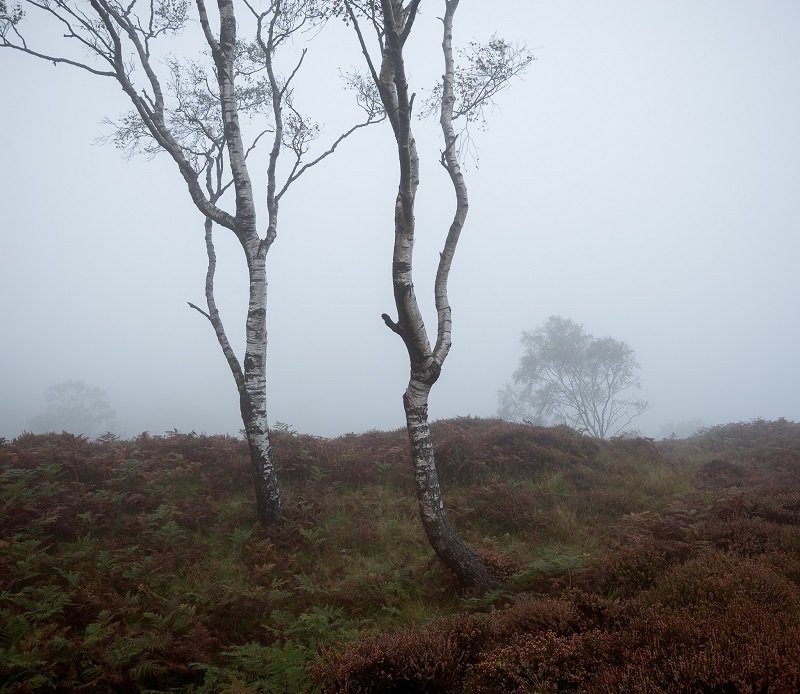
The difference between a snapshot and a photograph often has nothing to do with resolution, dynamic range, or lens sharpness. It comes down to how elements are arranged within the frame. Advanced composition is about controlling where the viewer's eye travels, how long it lingers, and what emotional response the image triggers. These are learnable skills, and anyone who has already grasped the basics — as covered in our fundamentals guide — is ready to push further.
What follows is a practical breakdown of five techniques our team considers essential, plus the common pitfalls, trade-offs, and practice strategies that make the difference between knowing a concept and actually executing it in the field.
Contents
- Why Advanced Composition Matters Beyond the Rule of Thirds
- When to Break Composition Rules — and When to Follow Them
- Common Composition Mistakes That Stall Progress
- Basic vs Advanced Composition: What Actually Changes
- The Trade-Offs of Complex Composition Techniques
- Keeping Composition Skills Sharp Over Time
- 5 Advanced Composition Techniques to Try on the Next Shoot
- Frequently Asked Questions
Why Advanced Photography Composition Tips Matter Beyond the Rule of Thirds
The rule of thirds is a starting point, not a destination. It teaches photographers to move subjects off-center, which is valuable — but it represents roughly 10% of what composition theory offers. Advanced techniques deal with how the entire frame functions as a unified visual statement. Our team thinks of it like learning a language: the rule of thirds is vocabulary, but advanced composition is grammar, syntax, and rhetoric combined.
Understanding Visual Weight and Balance
Every element in a photograph carries visual weight — a measure of how strongly it attracts the viewer's attention. Bright objects weigh more than dark ones. Warm colors outweigh cool ones. Sharp focus pulls the eye harder than soft bokeh. Advanced composition means balancing these weights deliberately across the frame.
- A small bright object can balance a large dark area
- Isolated elements carry more weight than clustered ones
- Faces and eyes dominate almost everything else in a frame
- Texture-rich areas attract more attention than smooth ones
Understanding visual weight allows photographers to create images that feel balanced even when they are asymmetrical. This is the foundation every other advanced technique builds upon.
Gestalt Principles in Photography
The Gestalt principles of perception explain how the human brain groups visual elements. Proximity, similarity, continuity, and closure all affect how viewers read an image. Our team finds that photographers who understand these principles make stronger compositional choices instinctively, because they can predict how the audience will perceive spatial relationships within the frame.
When to Break Composition Rules — and When to Follow Them
One of the most misunderstood ideas in photography is that rules are meant to be broken. They are — but only after they have been internalized. Breaking a rule without understanding it produces randomness. Breaking a rule with full awareness of what it does produces impact.
Intentional vs Accidental Rule-Breaking
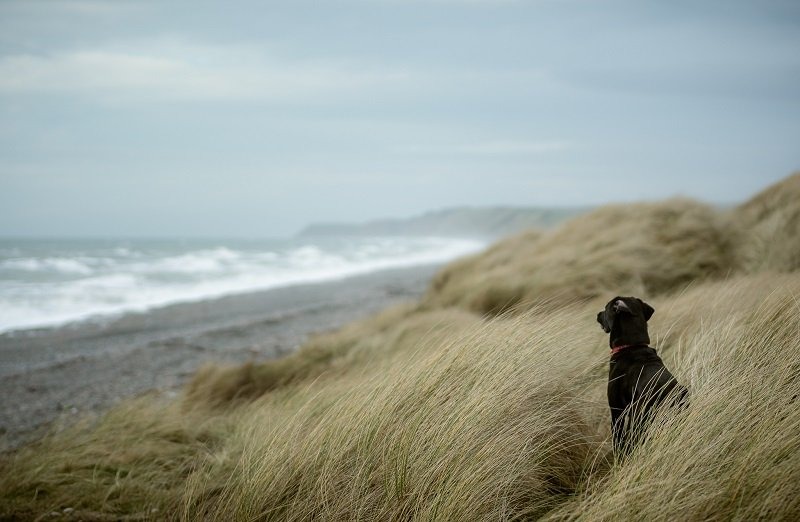
Intentional rule-breaking serves the image's story. Centering a subject dead-center, for instance, creates a confrontational or meditative mood that off-center placement cannot. Tilting the horizon conveys chaos or energy. These choices work when they reinforce the emotional intent of the photograph.
Accidental rule-breaking — a crooked horizon because the tripod was uneven, a distracting element at the edge because the photographer did not check — simply weakens the image. The distinction is intent. Our team recommends that anyone still building compositional fluency should follow the rules consistently first. The instinct for when to break them develops naturally from that foundation.
Scenes That Demand Structure
Certain genres reward strict composition more than others:
- Architecture — parallel verticals and precise symmetry are expected
- Landscape photography benefits from layered depth, as we discuss in our landscape photography tips
- Street photography thrives on controlled chaos — rules bent, not broken
- Product and food photography almost always follows classical balance
The genre does not dictate the rule, but it sets expectations. Meeting or subverting those expectations is a compositional decision in itself.
The best compositions feel inevitable — as if no other arrangement of elements could have worked. That feeling comes from mastering rules deeply enough that following or breaking them becomes a conscious creative choice.
Common Composition Mistakes That Stall Progress
Even experienced photographers fall into compositional habits that limit their work. Our team sees these patterns repeatedly in portfolio reviews and workshops.
The Over-Centering Trap
Many photographers overcorrect from "always centered" to "never centered," missing the fact that center compositions work brilliantly for symmetrical subjects, reflections, and portraits with direct eye contact. The mistake is not centering — it is centering without purpose. Every placement should answer the question: what does this position do for the story?
Ignoring the Frame Edges
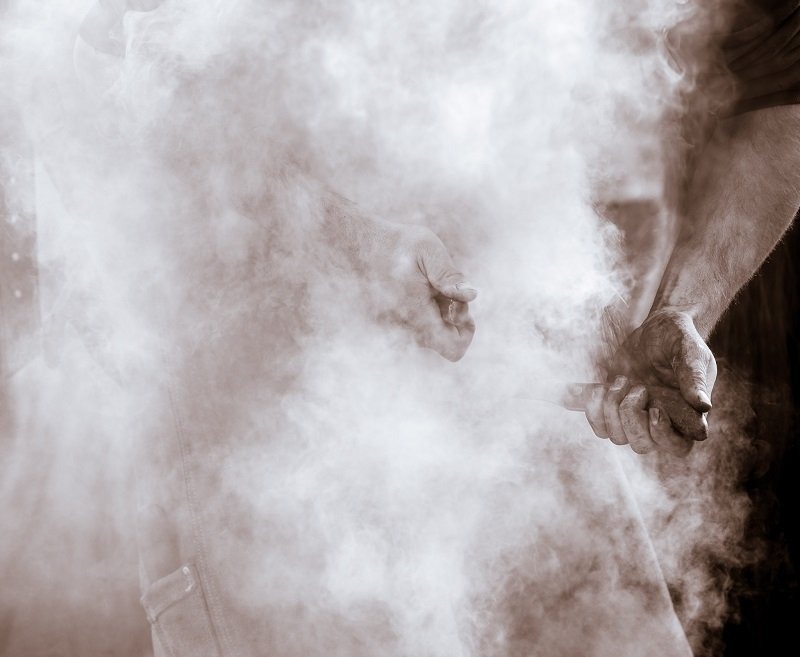
The edges and corners of a frame are where most composition falls apart. Elements get clipped awkwardly. Bright spots pull the eye out of the image. Distracting details sneak in unnoticed. Our team has a habit of scanning the entire perimeter of the viewfinder before pressing the shutter — a practice that catches problems no amount of post-processing can fully fix.
Other common mistakes include:
- Relying on a single composition technique for every shot
- Cropping too tight and losing environmental context
- Placing the horizon dead-center without a reflective or symmetrical reason
- Failing to establish a clear subject — if everything is important, nothing is
- Ignoring the relationship between foreground and background elements
Basic vs Advanced Composition: What Actually Changes
The gap between basic and advanced composition is not about knowing more rules. It is about seeing differently. Beginners focus on the subject. Advanced photographers focus on the relationships between all elements in the frame — subject, background, light, shadow, color, and negative space working together.
The Skill Progression Table
This table outlines how compositional thinking evolves from beginner to advanced levels:
| Aspect | Beginner Approach | Advanced Approach |
|---|---|---|
| Subject placement | Center or rule of thirds only | Dynamic symmetry, golden ratio, intentional center |
| Background | Blurred or ignored | Actively composed as part of the story |
| Leading lines | Recognized when obvious | Created or emphasized through angle and position |
| Depth | Flat, single-plane subjects | Layered foreground, midground, background |
| Negative space | Seen as "empty" or wasted | Used deliberately for emphasis and breathing room |
| Color | Adjusted in post-processing | Composed in-camera using complementary relationships |
| Frame edges | Rarely checked | Scanned before every shutter press |
| Emotional intent | Captured by accident | Designed through technique choices |
The jump from left column to right does not happen overnight. It requires deliberate practice, honest self-critique, and studying the work of photographers who excel at composition. Our guide on becoming a better photographer covers broader skill-building strategies that complement these composition-specific techniques.
The Trade-Offs of Complex Composition Techniques
Advanced composition is not free. Every technique involves trade-offs that photographers need to acknowledge honestly.
Speed vs Precision in the Field
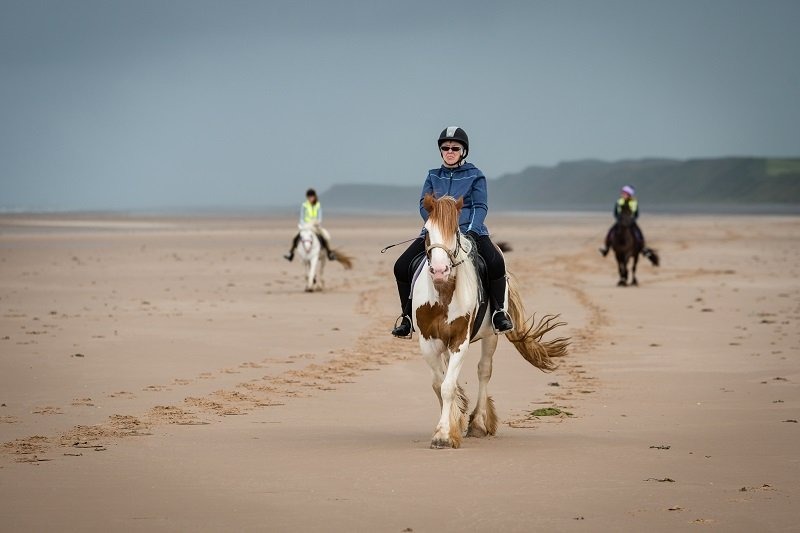
More sophisticated composition takes longer to execute. In fast-moving genres like street, sports, or wildlife photography, there is often no time to overlay a golden spiral in the mind's eye. The trade-off is clear: precision in composition often requires sacrificing spontaneity, and vice versa.
Our team handles this by matching technique complexity to the shooting situation:
- Controlled scenes (landscape, architecture, still life) — full compositional toolkit, take the time needed
- Semi-controlled (portraits, events) — pre-compose the frame, wait for the moment
- Uncontrolled (street, wildlife) — rely on internalized instincts and crop afterward if necessary
Other trade-offs worth considering:
- Complex compositions can feel overworked if every technique is applied simultaneously
- Strict adherence to compositional grids can suppress creative risk-taking
- Spending too long composing can mean missing the best light entirely
- Over-reliance on post-crop composition weakens in-camera skills over time
The goal is not to use every technique in every image. It is to have a full toolkit and the judgment to pick the right tool for each scene.
Keeping Composition Skills Sharp Over Time
Composition is a perishable skill. Without regular practice and intentional study, photographers tend to default back to comfortable patterns. Our team has seen it happen even among professionals — a narrowing of compositional vocabulary that makes portfolios start to feel repetitive.
Deliberate Practice Methods
The most effective way to maintain and grow compositional skills is through constrained practice — deliberately limiting options to force creative problem-solving.
- Shoot an entire session using only one composition technique (leading lines, negative space, etc.)
- Use a single prime lens for a month to eliminate the zoom crutch
- Review five images daily from photographers known for exceptional composition — painters and cinematographers count too
- Reshoot a previous image using a completely different compositional approach
- Practice shooting in manual mode to build full creative control over exposure alongside composition
Critique is equally important. Our team regularly reviews each other's work specifically for composition, setting aside technical quality entirely. A sharp, well-exposed image with weak composition is still a weak image. A slightly noisy image with brilliant composition still tells a story.
5 Advanced Composition Techniques to Try on the Next Shoot
These are the five advanced photography composition tips our team returns to most often. Each one builds on basic principles but pushes them into more sophisticated territory.
1. Dynamic Symmetry
Dynamic symmetry uses diagonal lines derived from the frame's proportions — specifically, diagonals drawn from corner to corner and their perpendicular reciprocals. Unlike the rule of thirds grid, dynamic symmetry creates a web of intersections that align with how the human eye naturally scans an image. Placing key elements along these diagonals produces compositions that feel energetic yet balanced.
This technique works exceptionally well for landscape and architectural photography, where strong natural lines already exist in the scene. It takes practice to visualize in-camera, but many photographers find that once internalized, it becomes their default over the rule of thirds.
2. Foreground-Midground-Background Layering
Layering creates the illusion of three-dimensional depth in a two-dimensional medium. The technique involves composing with distinct elements at three depth planes: a foreground anchor, a midground subject, and a background that provides context or atmosphere.
Landscape photographers use this constantly — a rock or wildflower in the foreground, a mountain in the midground, a dramatic sky behind. But it applies to any genre. Street photographers can layer a sidewalk texture, a passing figure, and a building facade. The key is ensuring each layer adds to the narrative rather than cluttering it.

3. Negative Space as a Subject
Most beginners try to fill the frame. Advanced photographers understand that empty space is not wasted space — it is a compositional element with its own visual weight. A lone figure against a vast sky. A single flower against a clean background. The emptiness amplifies the subject's importance and creates emotional resonance that busy compositions cannot achieve.
Negative space works particularly well in minimalist photography, editorial work, and any image intended for use with text overlay. It requires confidence to leave large portions of the frame "empty," but the results speak for themselves.
4. Leading Triangles
Triangles are the most dynamic shape in composition. Unlike rectangles (stable) or circles (contained), triangles create tension and movement. They appear naturally in architecture, mountain peaks, body posture, and converging lines. Advanced photographers actively seek or create triangular arrangements of elements to add energy and structure to their images.
Three subjects arranged in a triangle — whether people in a portrait, buildings in a cityscape, or rocks in a seascape — create a composition the eye circulates through continuously, keeping the viewer engaged longer. This technique pairs naturally with the layering approach described above.
5. Frame Within a Frame
Using elements within the scene to create a secondary frame around the subject adds depth and draws attention inward. Doorways, windows, arches, overhanging branches, and even shadows can serve as natural frames. This technique gives images a layered quality and establishes a clear visual hierarchy — the outer frame is context, the inner frame is the story.
Our team uses this approach frequently in travel photography, where architectural and natural framing opportunities are abundant. The key is ensuring the framing element complements rather than competes with the main subject.
Frequently Asked Questions
What is the most important advanced composition technique to learn first?
Our team recommends starting with foreground-midground-background layering. It builds directly on basic skills, applies to every genre, and produces the most immediate visible improvement in image quality. Once layering feels natural, dynamic symmetry and negative space are logical next steps.
Do professional photographers actually think about composition rules while shooting?
At first, yes — deliberately and slowly. Over time, compositional thinking becomes instinctive. Most professionals have internalized these principles through thousands of hours of practice, so the rules operate at a subconscious level. The initial slow phase is necessary and worth embracing.
Can post-processing fix bad composition?
Cropping can improve composition to a degree, but it reduces resolution and cannot add elements that were not captured. Perspective correction tools help with converging verticals. However, no amount of editing can replicate the depth, layering, and spatial relationships that strong in-camera composition creates. Our team treats cropping as a refinement tool, not a rescue tool.
How does focal length affect composition?
Wide-angle lenses exaggerate depth and foreground prominence, making them ideal for layered compositions. Telephoto lenses compress distance, which works well for isolating subjects and creating patterns. Prime lenses force physical movement, which often leads to more thoughtful compositions than zooming from a fixed position.
Is it possible to over-compose a photograph?
Absolutely. When every technique is applied simultaneously — leading lines, golden ratio placement, color theory, layering, framing — the result often feels contrived and lifeless. The strongest images typically rely on one or two compositional techniques executed with precision, letting the subject and moment carry the rest.
Great composition is not about following rules or breaking them — it is about seeing the relationships between every element in the frame and arranging them so the image could not have been made any other way.
 |
 |
 |
 |

About Alex W.
Alex is a landscape, equine, and pet photographer based in the Lake District, UK, with years of experience shooting in one of Britain's most photographically demanding natural environments. His work has been featured in Take a View Landscape Photographer of the Year, Outdoor Photographer of the Year, and Amateur Photographer Magazine — publications that reflect a serious, competitive standard of image-making. At Click and Learn Photography, he shares the camera settings, gear choices, and compositional techniques he has developed through real-world shooting and competition-level work.
You can Get FREE Gifts. Furthermore, Free Items here. Disable Ad Blocker to receive them all.
Once done, hit anything below
|
|
|
|