Studies show that images composed using the rule of thirds photography composition technique receive up to 60% more engagement on visual platforms than center-framed shots. That single statistic should tell you everything about why this principle has endured for centuries — long before cameras even existed. Whether you're just stepping into photography as a beginner or you've been shooting for a while and want to sharpen your eye, understanding this foundational guideline will transform the way you frame every single shot.
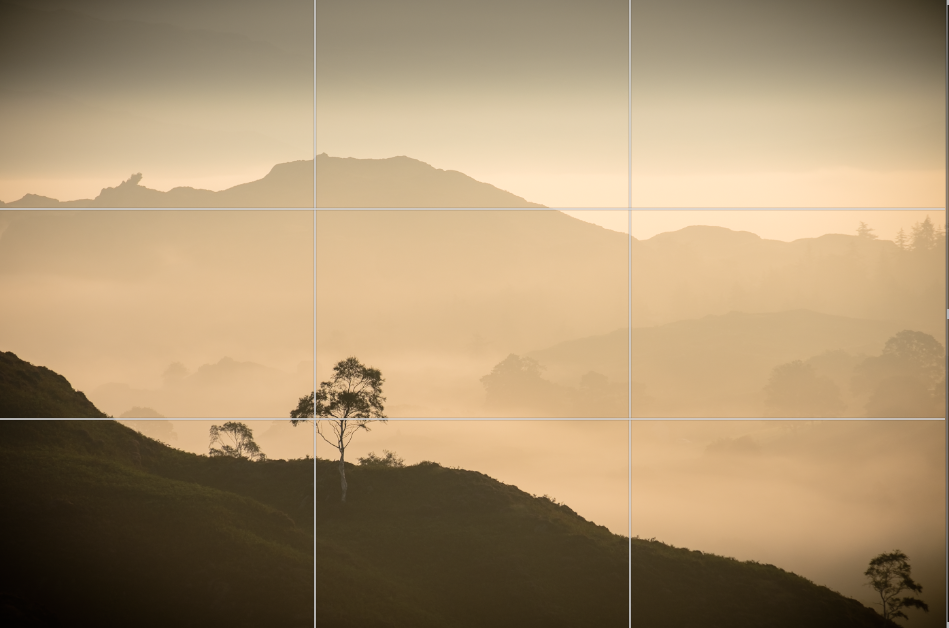
The concept is deceptively simple. You divide your frame into nine equal rectangles using two horizontal and two vertical lines. The four points where those lines intersect become your power points — the spots where your viewer's eye naturally lands first. Place your subject on or near those intersections, and your photo instantly feels more balanced and dynamic than a dead-center composition.
The rule of thirds traces its roots back to 1797, when painter John Thomas Smith first described it in his book Remarks on Rural Scenery. Today, it's built into nearly every camera and smartphone as an overlay grid. But knowing the grid exists and knowing how to use it well are two very different things. Let's break it down.
Contents
- Quick Composition Wins Using the Grid
- From Basic Grid Placement to Advanced Composition
- Rule of Thirds in Real Shooting Scenarios
- Strengths and Limitations of the Rule of Thirds
- Common Rule of Thirds Mistakes and How to Fix Them
- Training Your Eye: Building Lasting Composition Habits
- Rule of Thirds Photography Composition Best Practices
- Frequently Asked Questions
Quick Composition Wins Using the Grid
You don't need weeks of study to start seeing results. A few deliberate adjustments at the moment of capture can dramatically improve your images right away.
Enable Your Camera's Grid Overlay
Every modern DSLR, mirrorless camera, and smartphone has a rule of thirds grid overlay buried in the settings. Turn it on and leave it on. This single action forces you to think about placement before you press the shutter. On most cameras, you'll find it under display settings or viewfinder options. On your phone, check the camera settings for a "Grid" toggle.
Horizon Placement That Works
One of the fastest wins is placing your horizon along one of the two horizontal grid lines instead of splitting the frame in half. If the sky is dramatic, give it two-thirds of the frame. If the foreground tells the story, flip that ratio. This simple shift creates depth and visual hierarchy that a centered horizon never achieves. It's one of the first things you'll notice when studying work from top landscape photographers.
From Basic Grid Placement to Advanced Composition
The rule of thirds is easy to grasp at a surface level, but the gap between a beginner's application and an experienced photographer's use is significant.
The Beginner Approach
When you're starting out, you focus on putting the subject on an intersection point. That's a great first step. You frame a portrait with the person's eyes on the upper-left intersection. You put a lighthouse on the right vertical line. This mechanical application already produces better results than centering everything.
Advanced Techniques
As you develop, you start combining the rule of thirds with other compositional tools. You use leading lines that direct the viewer's eye toward a thirds intersection. You balance a subject on the left third with a secondary element on the right third to create visual tension. You start thinking about where the subject is looking or moving — placing a person on the left third with open space to their right gives the image breathing room and implied motion. Advanced composition is about layering multiple principles, not choosing one over another.
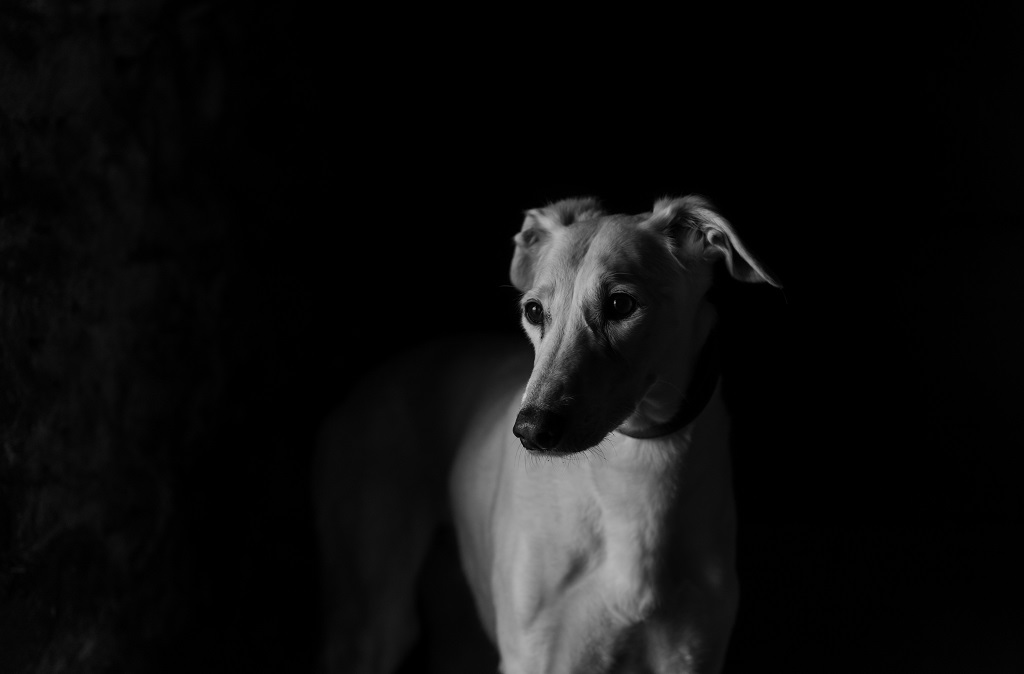
Pro tip: When your subject faces a direction, place them on the opposite third so they "look into" the frame. This creates natural visual flow and prevents the image from feeling cramped.
Rule of Thirds in Real Shooting Scenarios
Theory is useful, but seeing how the rule of thirds works across different genres makes the concept stick.
Landscapes and Portraits
In landscape photography, you typically align the horizon with one horizontal line and place a focal point — a tree, a rock formation, a building — on a vertical line. The result feels intentional and balanced. For portraits, the convention is placing the subject's near eye on an upper intersection point. This draws the viewer directly into the subject's gaze, creating an immediate emotional connection. Even slight adjustments here make a noticeable difference.
Street and Travel Photography
Street photography thrives on spontaneity, but the best street shooters apply the rule of thirds instinctively. When you're capturing travel photography shots, placing a vendor, a doorway, or a passerby on a thirds line gives the scene structure without making it feel staged. The remaining two-thirds of the frame tell the environmental story — the architecture, the crowd, the light. That balance between subject and context is what separates a snapshot from a photograph.

Strengths and Limitations of the Rule of Thirds
No composition guideline is perfect for every situation. Understanding both the strengths and limitations of the rule of thirds helps you decide when to apply it and when to break it deliberately.
| Strengths | Limitations |
|---|---|
| Creates natural visual balance without formal training | Can feel predictable if applied rigidly to every shot |
| Works across all photography genres | Doesn't account for symmetry-driven subjects (architecture, reflections) |
| Easy to learn and apply immediately | Ignores other composition tools like the golden ratio or dynamic symmetry |
| Built into camera grid overlays for real-time use | May conflict with tight crops or macro compositions |
| Guides the viewer's eye to key elements | Not ideal when centered framing creates stronger impact |
The key takeaway from this comparison is that the rule of thirds is a starting point, not a rigid law. Some of the most iconic photographs in history — think of Steve McCurry's "Afghan Girl" — use centered composition to powerful effect. The rule of thirds gives you a reliable default; your creative judgment tells you when to deviate. The historical roots of this principle in painting and visual arts confirm it was always meant as a guideline, never a rule.
Common Rule of Thirds Mistakes and How to Fix Them
Even photographers who know the rule of thirds well fall into predictable traps. Here are the most common mistakes and their fixes.
Over-Centering Your Subject
The most frequent issue is reverting to center framing out of habit. Your instinct is to put the subject right in the middle, especially when shooting quickly. The fix is simple: before you press the shutter, glance at the grid lines and shift your frame. It takes one second and becomes automatic with practice. If you've already taken the shot, most editing software lets you re-crop to a thirds-aligned composition without significant quality loss.
Ignoring Negative Space
Placing your subject on a thirds intersection is only half the equation. The other two-thirds of the frame matter just as much. If that space is cluttered with distracting elements — a trash can, a bright sign, a random bystander — your carefully placed subject loses its impact. Pay attention to what fills the negative space. Clean backgrounds and complementary elements in the remaining frame make the rule of thirds work harder for you.
Training Your Eye: Building Lasting Composition Habits
Understanding the rule of thirds intellectually is one thing. Internalizing it so you compose instinctively is another. This takes deliberate practice.
Daily Practice Drills
Set yourself a simple challenge: for one week, shoot every single photo using the rule of thirds. No exceptions. Use your phone during your commute, at lunch, walking the dog. The goal isn't to create portfolio-worthy images every time — it's to build the muscle memory of off-center composition. After that week, you'll find yourself naturally gravitating toward thirds placement even when you're not thinking about it.
Reviewing Your Own Work
Go through your photo library and overlay the rule of thirds grid on your favorite shots. You'll likely discover that many of your strongest images already follow the principle, even if you didn't plan it. The shots that feel "off" often have subjects awkwardly placed between the center and a thirds line — too far from center to feel intentional, too close to feel dynamic. This review process sharpens your critical eye and helps you become a better photographer faster than any tutorial alone.
Rule of Thirds Photography Composition Best Practices
After years of applying this principle across genres, certain best practices consistently produce the strongest results. Keep your grid overlay active at all times — treat it as a permanent part of your viewfinder. When shooting portraits, prioritize placing the eyes on the upper third. For landscapes, commit to the horizon on a line rather than splitting the frame.
Shoot wider than you think you need to. Giving yourself extra room around the subject lets you fine-tune the thirds alignment in post-processing. This is especially valuable when you're learning, because it removes the pressure of nailing the composition in-camera every time.
Practice breaking the rule intentionally. Once you understand why the rule of thirds works, you earn the right to break it with purpose. Centered symmetry, extreme off-center placement, and edge framing all have their place. But they work best when you choose them deliberately — not because you forgot about composition altogether. Master the guideline first, then break it with intention.
Frequently Asked Questions
What exactly is the rule of thirds in photography?
The rule of thirds is a composition guideline where you divide your frame into nine equal sections using two horizontal and two vertical lines. You place key elements along these lines or at their four intersection points to create a balanced, visually engaging image rather than centering your subject.
Should I always follow the rule of thirds?
No. The rule of thirds is a guideline, not an absolute law. It works beautifully in most situations, but centered compositions, symmetrical framing, and other approaches can be equally powerful when used intentionally. Learn the rule first, then break it with purpose when the scene calls for it.
How do I enable the rule of thirds grid on my camera?
On most DSLRs and mirrorless cameras, navigate to your display or viewfinder settings and look for a grid overlay option. Select the 3×3 grid. On smartphones, open your camera settings and toggle the "Grid" option. The exact menu path varies by manufacturer, but it's a standard feature on virtually every camera made today.
Does the rule of thirds work for video as well as photography?
Absolutely. Filmmakers and videographers use the rule of thirds constantly. Interview subjects are typically framed on a vertical third with "look room" in the direction they face. Landscape b-roll follows the same horizon placement principles. The rule applies to any visual frame, moving or still.
Can I apply the rule of thirds when editing photos after the fact?
Yes. Most photo editing software, including Lightroom and Photoshop, displays a rule of thirds grid when you use the crop tool. You can reframe an existing image to align key elements with the grid lines. Shooting slightly wider than needed gives you more flexibility for this kind of post-processing adjustment.
What is the difference between the rule of thirds and the golden ratio?
Both are composition guidelines, but the golden ratio (approximately 1:1.618) places intersection points slightly closer to the center of the frame compared to the rule of thirds. The golden ratio is considered more mathematically precise, while the rule of thirds is simpler to apply and produces very similar results in practice. Most photographers start with the rule of thirds and explore the golden ratio as they advance.
Which photography genres benefit most from the rule of thirds?
Landscape, portrait, street, and travel photography benefit the most because they frequently involve clear subjects placed within environmental contexts. However, the rule of thirds is useful in virtually every genre, including macro, wildlife, and architectural photography. The only genre where it's routinely set aside is symmetry-focused work like certain architectural or product shots.
The rule of thirds isn't about where you place your subject — it's about learning to see the entire frame, and then deciding what matters most.
 |
 |
 |
 |

About Alex W.
Alex is a landscape, equine, and pet photographer based in the Lake District, UK, with years of experience shooting in one of Britain's most photographically demanding natural environments. His work has been featured in Take a View Landscape Photographer of the Year, Outdoor Photographer of the Year, and Amateur Photographer Magazine — publications that reflect a serious, competitive standard of image-making. At Click and Learn Photography, he shares the camera settings, gear choices, and compositional techniques he has developed through real-world shooting and competition-level work.
You can Get FREE Gifts. Furthermore, Free Items here. Disable Ad Blocker to receive them all.
Once done, hit anything below
|
|
|
|