Have you ever wondered whether the photos you take while traveling might actually cause harm to the people and places you photograph? The answer is nuanced, but the good news is that a handful of ethical travel photography tips can transform the way you shoot abroad and ensure your images respect the communities you visit. Whether you're documenting a bustling market in Southeast Asia or capturing portraits in rural South America, understanding the ethical dimension of your craft elevates both your work and your impact. If you're looking for more foundational guidance, explore our ultimate guides for deeper dives into every aspect of photography.
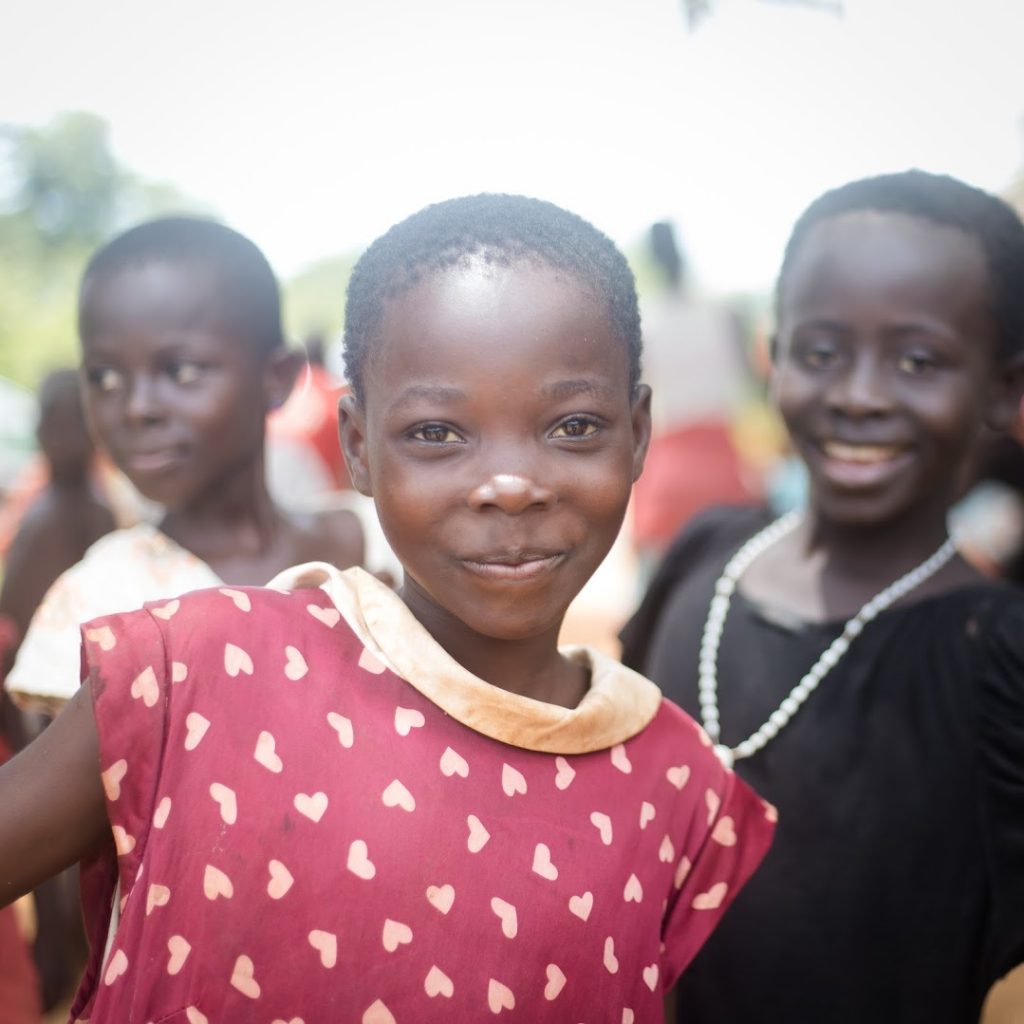
Ethical travel photography isn't about limiting your creativity — it's about channeling it with awareness and respect. The principles you'll learn here apply whether you're a seasoned professional or someone who just picked up their first mirrorless camera. Pair these insights with our travel photography tips for stunning shots, and you'll have a comprehensive approach that produces compelling images without compromising your integrity.
Contents
- Gear That Supports Ethical Shooting
- The Cultural Context Behind Travel Photography Ethics
- Ethical Travel Photography Tips You Can Use Anywhere
- Protecting Your Subjects and Their Stories
- Benefits and Challenges of Ethical Photography
- Where Ethical Photography Matters Most
- Ethical Approaches Compared Across Genres
- Frequently Asked Questions
- Key Takeaways
Gear That Supports Ethical Shooting
Your equipment choices directly affect how you interact with the people and environments you photograph during your travels. The right gear allows you to capture authentic moments without intruding on someone's personal space or disrupting a scene.
Lens Choices That Respect Personal Space
- A 70-200mm telephoto lens lets you photograph candid moments from a respectful distance without looming over your subject with a wide-angle lens.
- A 35mm or 50mm prime forces you to engage with your subject at a conversational distance, which naturally encourages interaction and consent.
- Avoid ultra-long telephotos (400mm+) for photographing people, as they can feel surveillance-like and often produce images that lack genuine connection.
Accessories for Low-Impact Photography
- A compact tripod like the Peak Design Travel Tripod keeps your footprint small at sensitive locations and helps you avoid blocking pathways or sacred areas.
- Silent or electronic shutter modes on modern mirrorless cameras eliminate the disruptive click that draws unwanted attention during ceremonies or quiet moments.
- Carrying a small portfolio of printed photos to give away builds trust and creates a genuine exchange with your subjects.
The Cultural Context Behind Travel Photography Ethics
Understanding why ethical photography matters requires looking at the broader historical and cultural landscape that shapes how communities perceive cameras and photographers.
A Brief History of Exploitative Photography
Photography has a complicated relationship with colonialism and cultural exploitation, stretching back to the Victorian era when photographers documented indigenous populations as curiosities rather than human beings. The ethics of photography have evolved significantly since then, but the legacy of those exploitative practices still influences how certain communities react to cameras today. You carry that historical weight whether you realize it or not, and acknowledging it is the first step toward shooting responsibly.
Modern Standards and Expectations
- Social media has amplified the reach and impact of travel photos, making ethical considerations more urgent than they were in the film era.
- Many countries now have specific laws governing photography in public spaces, religious sites, and around government buildings.
- Cultural sensitivity varies enormously — what's perfectly acceptable in one country can be deeply offensive just across the border.
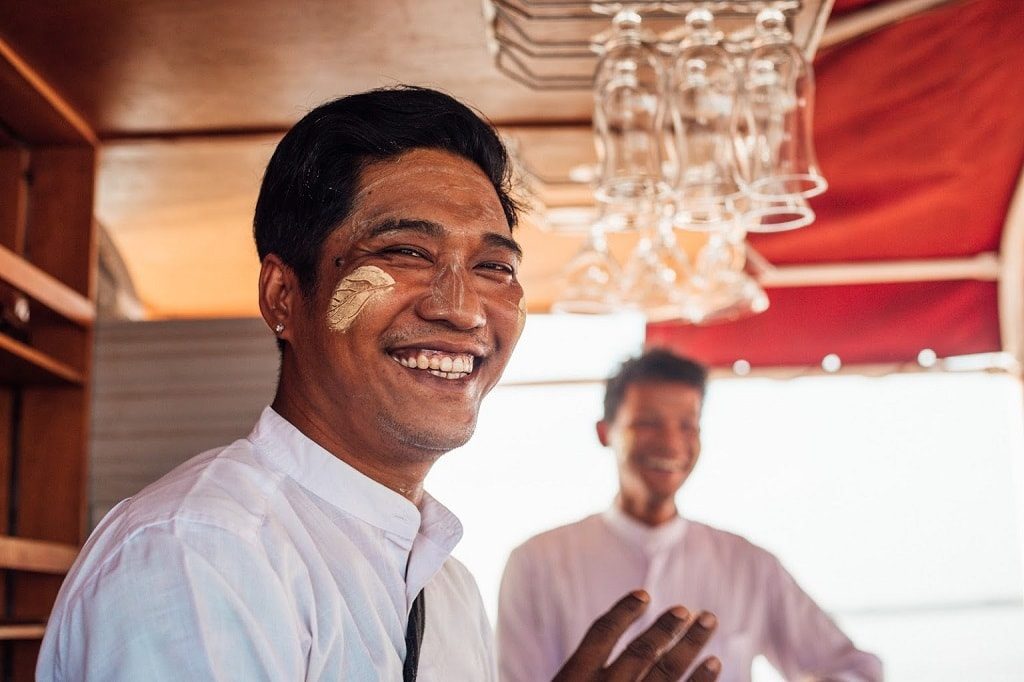
Ethical Travel Photography Tips You Can Use Anywhere
These practical ethical travel photography tips work regardless of your destination, your gear, or your experience level — they're universal principles rooted in basic human respect.
Getting Meaningful Consent
- Ask before you shoot. A smile and a gesture toward your camera works across language barriers, and most people respond warmly when you approach them with genuine interest.
- Respect a "no" immediately and without resentment — putting your camera down shows that you value the person more than the photograph.
- Show your subject the image on your LCD screen afterward, and offer to delete it if they're uncomfortable with the result.
- For extended portrait sessions, exchange contact information so you can send them the final images once you've edited them.
- Learn two or three basic phrases in the local language — "may I take your photo" goes further than any amount of pointing and gesturing.
Honest Representation Over Sensationalism
- Avoid "poverty tourism" imagery that reduces entire communities to their most desperate circumstances for the sake of dramatic photographs.
- Show the full spectrum of life in the places you visit — joy, routine, celebration, and work — not just the elements that feel exotic to outside eyes.
- Your composition choices carry meaning, so be deliberate about what you include in and exclude from the frame.
Protecting Your Subjects and Their Stories
Your ethical responsibility doesn't end when you press the shutter — how you handle, share, and caption your images matters just as much as how you capture them.
Digital Privacy and Image Sharing
- Strip GPS metadata from images before posting online, especially when photographing people in politically sensitive regions or conflict zones.
- Never share identifiable photos of people in compromising situations, even if you technically have their consent to photograph them in a general context.
- Captions matter enormously — identify people by name when possible, and avoid reducing your subjects to stereotypes or generic descriptors.
Giving Back to Communities You Photograph
- Support local businesses, hire local guides, and spend money in the communities whose stories you're telling through your photography.
- Consider donating prints or digital files to community centers, schools, or cultural organizations in the areas you photograph.
- If you profit from travel photography through stock sales or editorial work, explore ways to share that revenue with the communities you've documented.
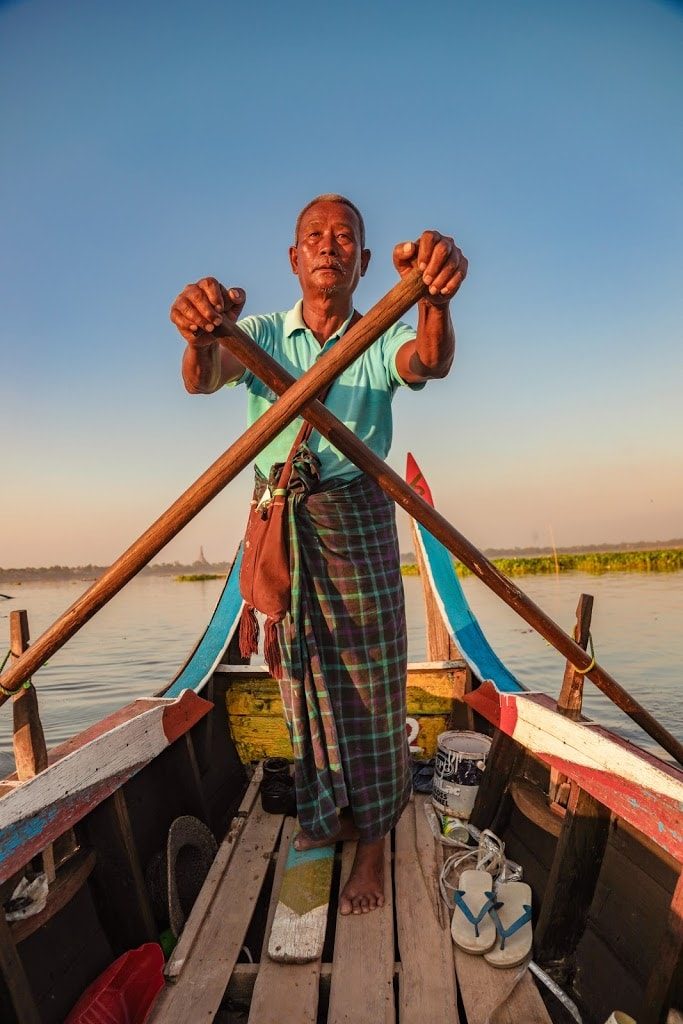
Benefits and Challenges of Ethical Photography
Committing to ethical practices transforms both the quality of your work and the nature of your travel experiences, though it does come with trade-offs you should understand upfront.
| Benefits | Challenges |
|---|---|
| Deeper, more authentic connections with subjects | You'll miss some spontaneous moments while seeking consent |
| Images that tell honest, respectful stories | Requires more preparation and cultural research before each trip |
| Builds a sustainable reputation in the industry | Some powerful images simply aren't ethical to take or publish |
| Communities welcome you back for future projects | Slows down your shooting pace considerably |
| Aligns with modern editorial and stock submission standards | Navigating consent across language barriers takes patience |
The challenges are real, but every photographer who commits to ethical practices reports that the quality and depth of their work improves dramatically over time. You trade volume for meaning, and that exchange is worth making.
Where Ethical Photography Matters Most
While ethical considerations apply everywhere, certain scenarios demand heightened awareness and stricter personal guidelines from you as a photographer.
Religious and Sacred Sites
- Always check signage and ask staff about photography policies before raising your camera inside temples, mosques, churches, and other sacred spaces.
- Never photograph worshippers during prayer or meditation without explicit permission from both the individuals and the site administrators.
- Dress codes and behavior expectations at religious sites exist for reasons that predate your visit — honor them fully, not just performatively.
Vulnerable Populations and Children
- Photographing children in developing countries requires parental consent at minimum, and you should critically examine your motivations for wanting the image in the first place.
- Avoid photographing people experiencing homelessness, addiction, or displacement without a clear editorial purpose and their informed consent.
- Humanitarian organizations have strict photography protocols for good reason — follow their lead when documenting sensitive situations.
Ethical Approaches Compared Across Genres
Different photography genres handle ethics differently, and understanding these distinctions helps you adapt your approach based on the type of work you're doing while traveling.
| Genre | Consent Expectation | Subject Relationship | Primary Ethical Risk |
|---|---|---|---|
| Street Photography | Implied (public space) | Brief or nonexistent | Invasion of privacy in candid shots |
| Documentary Photography | Informed and ongoing | Extended, trust-based | Misrepresentation of subjects' lives |
| Tourism Photography | Varies widely | Transactional or casual | Reducing cultures to visual commodities |
| Portrait Photography | Explicit and specific | Collaborative and directed | Exploiting power dynamics with subjects |
| Landscape Photography | N/A (no human subjects) | Environmental | Ecological damage from accessing locations |
Street photography operates in a legal gray area where you technically have the right to photograph in public spaces in most countries, but having the legal right doesn't automatically make it ethically sound. Documentary photographers typically build long-term relationships with their subjects, which creates both deeper trust and greater responsibility to represent their stories faithfully.
Frequently Asked Questions
Is it legal to photograph strangers while traveling?
In most countries, photographing people in public spaces is legal, but laws vary significantly between nations and even between regions within the same country. Legality and ethics are separate considerations — something being legal doesn't make it respectful, so always prioritize consent and cultural awareness over your legal rights.
How do you ask for photo permission when you don't speak the language?
Point to your camera, make eye contact, and use a questioning expression or gesture — this universal approach works remarkably well across cultures. You can also use a translation app to prepare key phrases in advance, or carry a small card with "May I take your photo?" written in the local language.
Should you pay people who let you photograph them?
This depends entirely on the context and the local customs surrounding photography and compensation. In some cultures, a small payment is expected and appropriate, while in others it can create uncomfortable dynamics or encourage "performance" for tourists rather than authentic interaction.
What should you do if someone asks you to delete a photo?
Delete it immediately, without hesitation or negotiation, and do so visibly so the person can see the image is gone. Your respect for their wishes in that moment matters far more than any single photograph, no matter how strong the composition was.
Can you sell travel photos of recognizable people commercially?
Commercial use of identifiable individuals typically requires a signed model release in most jurisdictions. Editorial use has broader protections, but you should still obtain consent whenever possible and keep thorough records of any permissions you've received from your subjects.
Key Takeaways
- Always seek meaningful consent before photographing people, and respect a refusal without question — the relationship matters more than the image.
- Your gear choices, shooting distance, and composition decisions all carry ethical weight, so approach every frame with intentionality and cultural awareness.
- Ethical travel photography produces deeper, more authentic work that builds lasting trust with communities and aligns with modern industry standards.
- Protect your subjects after the shoot by stripping metadata, writing respectful captions, and considering how your images will be perceived once shared publicly.
 |
 |
 |
 |

About Alex W.
Alex is a landscape, equine, and pet photographer based in the Lake District, UK, with years of experience shooting in one of Britain's most photographically demanding natural environments. His work has been featured in Take a View Landscape Photographer of the Year, Outdoor Photographer of the Year, and Amateur Photographer Magazine — publications that reflect a serious, competitive standard of image-making. At Click and Learn Photography, he shares the camera settings, gear choices, and compositional techniques he has developed through real-world shooting and competition-level work.
You can Get FREE Gifts. Furthermore, Free Items here. Disable Ad Blocker to receive them all.
Once done, hit anything below
|
|
|
|