Behind the Lens: Photographer Frank Bell on Technique and Creative Process
by Alex W.
Frank Bell's street photography creative process interview reveals a practitioner who treats Chicago's streets like a studio — deliberate, patient, and deeply intentional about every frame. Our team at ClickAndLearn sat down with Bell to unpack the philosophy, gear decisions, and daily habits that fuel his distinctive documentary style. For anyone following our Behind the Lens series, this conversation stands out for its raw honesty about what it actually takes to develop a consistent creative voice on the street.
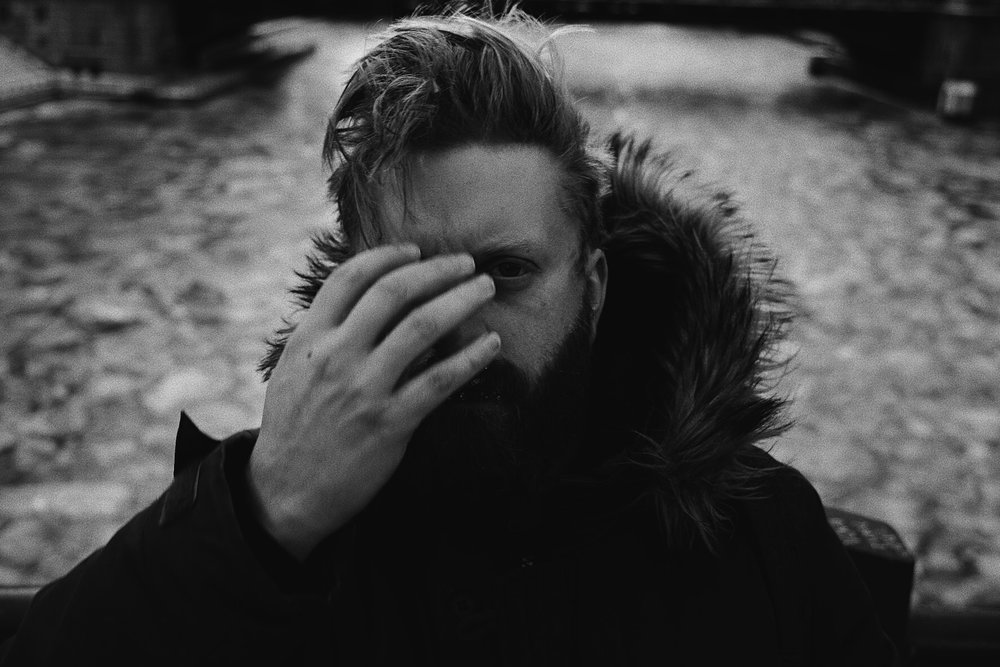
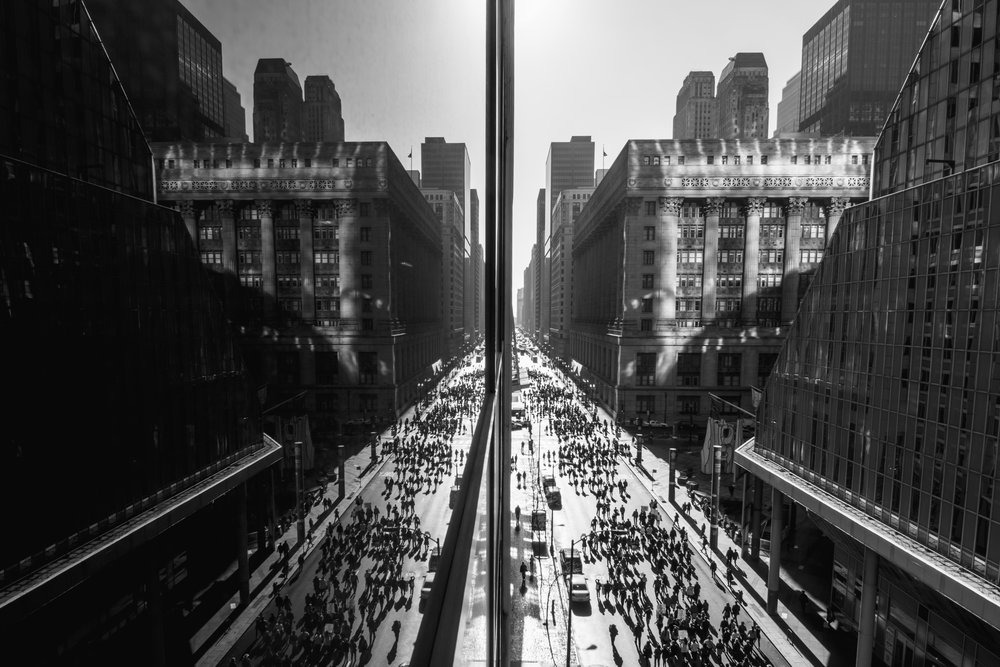
Bell shoots primarily in Chicago, a city that offers endless layers of architecture, light, and human interaction. What separates his work from the typical candid snapshots flooding social media is an almost obsessive attention to context — the way a shadow falls across a commuter's face, or how a puddle reflects a building that most people walk past without noticing. Similar to our conversation with Anton Gorlin about the thought process behind great photography, Bell emphasizes that the real work happens before the shutter clicks.
In this piece, our team breaks down Bell's techniques, his spending philosophy on gear, the situations where street photography thrives versus falls flat, and actionable strategies for building a long-term creative practice. Whether someone is picking up a camera for weekend walks or grinding toward a gallery exhibition, Bell's insights apply across experience levels.
Contents
- How Frank Bell Found His Voice on Chicago's Streets
- Gear Breakdown: What Bell Shoots With and Why
- Street Photography Techniques That Separate Amateurs from Artists
- What Street Photography Actually Costs
- When Street Photography Works — and When It Doesn't
- Building a Creative Practice That Lasts
- Frequently Asked Questions
- Final Thoughts
How Frank Bell Found His Voice on Chicago's Streets
Bell didn't start as a street photographer. His background in commercial work gave him a technical foundation, but the creative spark came from simply walking. "I'd finish a paid shoot and wander for hours," he told our team. That wandering became a discipline. Over several years, Bell developed a street photography creative process interview subjects rarely discuss publicly — the unglamorous part where hundreds of frames get deleted and only two or three survive.
Chicago's architecture plays a massive role in Bell's compositions. The L-train structures, reflective skyscrapers, and narrow alleyways create natural frames that most street photographers overlook. Bell treats these urban elements as compositional tools, not just backdrops. Our beginner's guide to photography composition covers foundational framing principles, and Bell's work is essentially a masterclass in applying those rules to unpredictable environments.
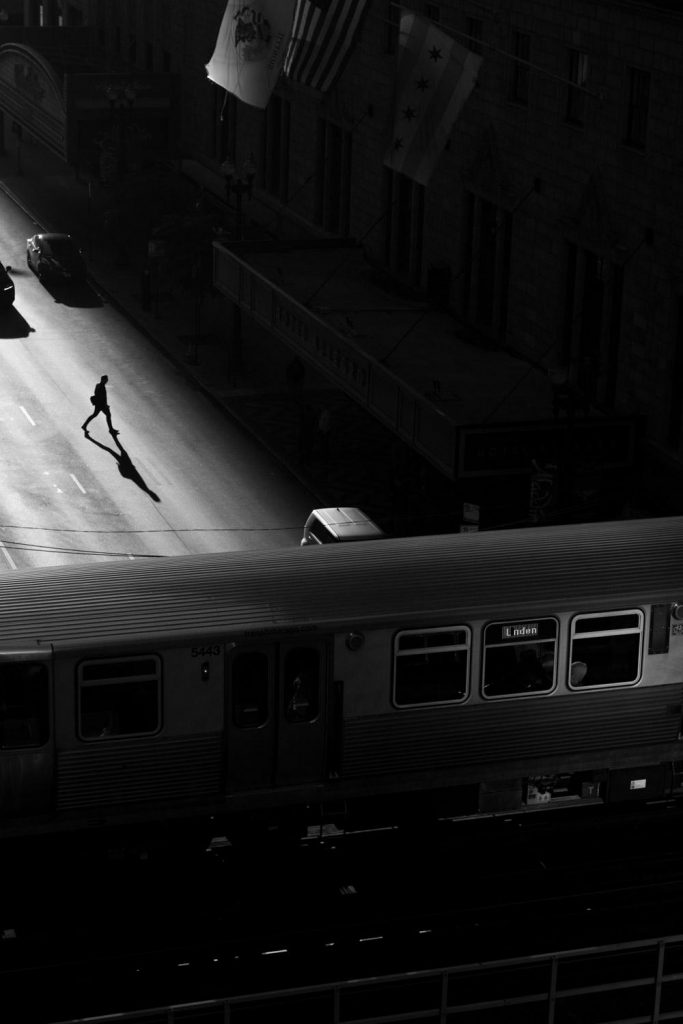
His transition from commercial to personal work also shifted how he thinks about intent. Commercial photography answers a brief. Street photography answers an internal question — sometimes one the photographer can't even articulate until after the edit. That tension between structure and intuition is what makes Bell's portfolio feel cohesive without being formulaic.
Gear Breakdown: What Bell Shoots With and Why
Camera and Lens Choices
Bell keeps his kit deliberately lean. He gravitates toward mirrorless bodies paired with fast prime lenses, prioritizing speed of operation over versatility. When our team asked about zoom lenses, he was blunt: "A zoom makes me lazy. A prime forces me to move." That philosophy echoes across the street photography community, and it's a sentiment Matt Holland shared in his interview as well.
| Item | Bell's Choice | Purpose | Approx. Cost |
|---|---|---|---|
| Primary Camera | Fujifilm X-T4 | Fast AF, compact, weather-sealed | $1,300 |
| Primary Lens | 23mm f/1.4 (35mm equiv.) | Classic street focal length | $600 |
| Secondary Lens | 35mm f/1.4 (50mm equiv.) | Tighter framing, portraits | $550 |
| Memory Cards | 64GB UHS-II (×2) | Fast write speed for bursts | $50 |
| Strap | Peak Design Slide Lite | Quick-release, low profile | $55 |
| Editing Software | Lightroom Classic | RAW processing, catalog management | $10/mo |
Accessories That Actually Matter
Bell doesn't carry a bag stuffed with filters and backup bodies. A spare battery, a lens cloth, and a small notebook for jotting scene ideas round out his everyday carry. The notebook habit surprised our team — in an era of phone notes, Bell insists that writing by hand forces slower, more deliberate reflection on what he saw during a session.
Street Photography Techniques That Separate Amateurs from Artists
The Art of Anticipation
Bell's street photography creative process centers on anticipation rather than reaction. He scouts locations ahead of time, returns to the same corners at different hours, and mentally rehearses compositions before a subject even enters the frame. This isn't spray-and-pray. It's calculated patience.
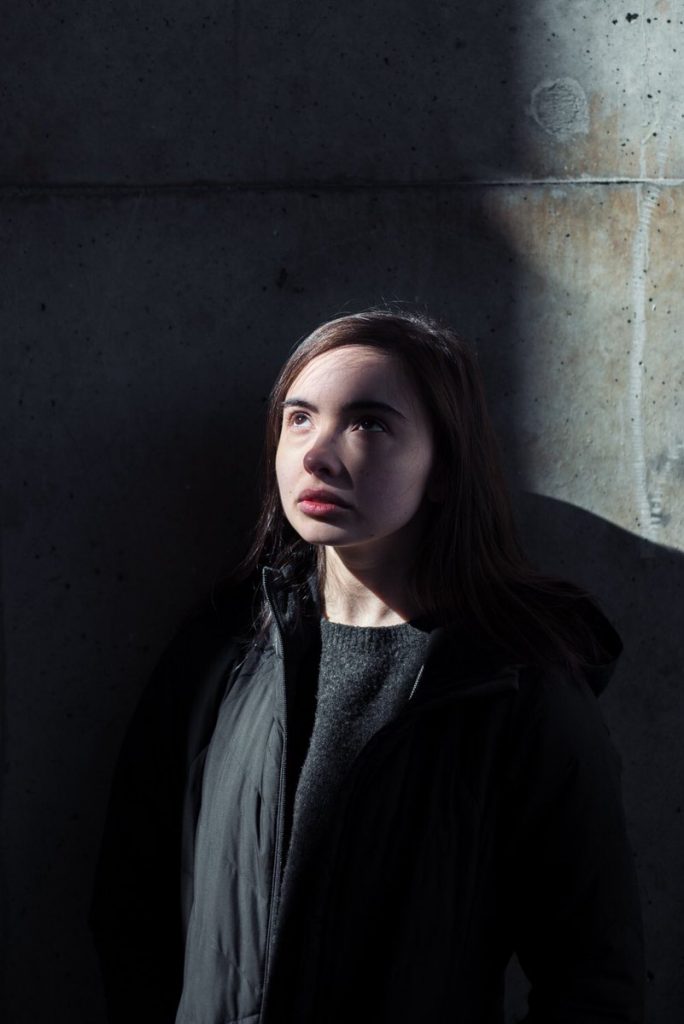
One technique he shared involves finding a compelling background first — a mural, a shaft of light between buildings, a reflective puddle — then waiting for the right human element to walk into it. Most people assume street photographers chase subjects. Bell lets subjects come to him. That inversion is what gives his images a composed quality rare in candid work.
Pro insight: "Find the stage first. The actors will arrive on their own — and when they do, the shot is already half-made." — Frank Bell
Working Light and Shadow
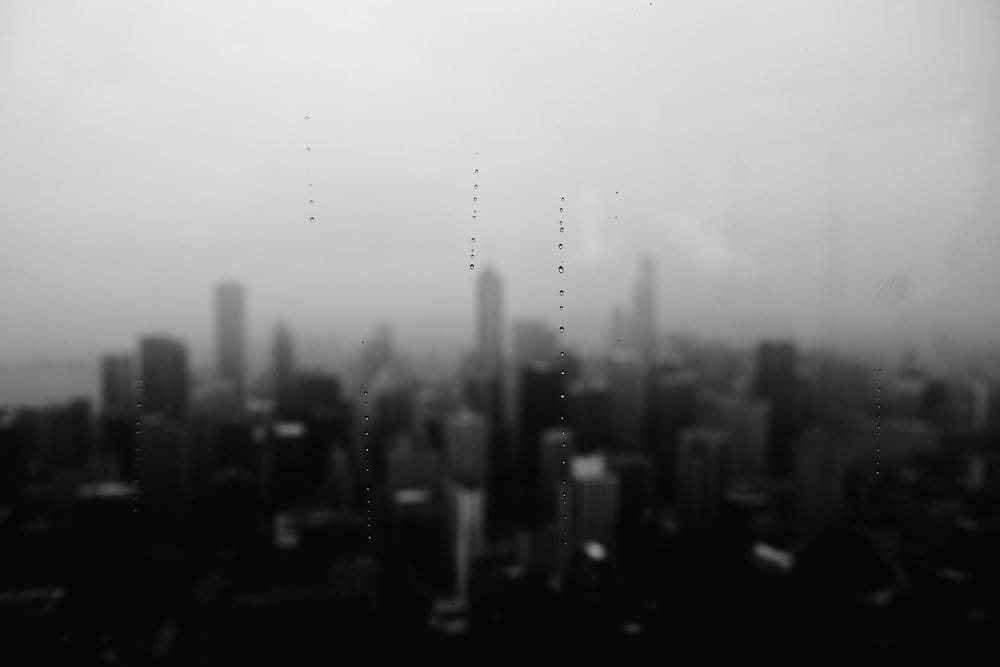
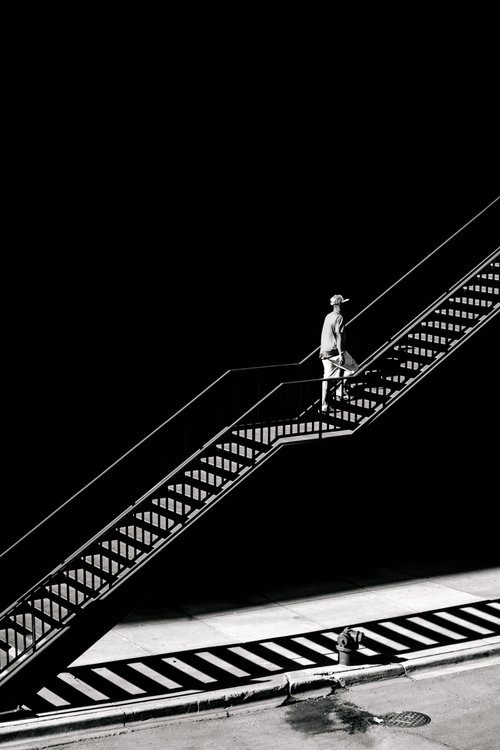
Light is Bell's primary compositional element. He shoots predominantly during the golden hour and the harsh midday window — avoiding the flat overcast conditions that many street shooters default to. Hard shadows create graphic elements that add depth and drama to otherwise mundane street scenes. Our team noticed that nearly every standout image in his portfolio features a strong interplay between illuminated and shadowed areas. Understanding how aperture and shutter speed interact is essential for nailing these high-contrast moments without blowing highlights.
What Street Photography Actually Costs
One of the most refreshing aspects of Bell's approach is his stance on spending. Street photography is one of the most accessible genres in terms of gear investment. Bell estimates his total annual spend — including software subscriptions, the occasional lens rental for experimentation, and printing costs for portfolio reviews — sits around $1,500. Compare that to landscape or wildlife photography where a single lens can exceed $2,000.
The real cost, Bell argues, is time. A productive street photography habit demands consistent outings — ideally three to four sessions per week, each lasting two to four hours. That's 8-16 hours weekly of walking, observing, and shooting. Most people underestimate this commitment. The gear is affordable. The discipline is expensive.
Bell's advice for anyone building a kit on a budget is straightforward: start with one body, one prime lens, and spend the leftover money on a quality pair of walking shoes. The camera matters far less than the hours logged on foot.
When Street Photography Works — and When It Doesn't
Not every outing produces keepers. Bell is candid about this reality. Certain conditions and situations lend themselves to strong street work, while others consistently produce mediocre results. Our team compiled his observations into practical guidelines.
Street photography thrives in dense urban areas with foot traffic, strong directional light, and architectural variety. Markets, transit stations, and downtown intersections during rush hour are reliable hunting grounds. The genre also excels when photographers commit to a specific theme for a session — shooting only reflections, for instance, or only silhouettes.
It falls apart in suburban sprawl where subjects are separated by parking lots and wide roads. It struggles in tourist-heavy zones where everyone is already posing. And it rarely works when the photographer is distracted or shooting without intent. Bell calls these "empty walks" — sessions where the camera comes along but the mind doesn't. Intent is the prerequisite, not the camera.
According to the Wikipedia entry on street photography, the genre's roots trace back to the late 19th century, but Bell notes that the digital era has both democratized and diluted the craft. More people are shooting on the street than ever, but fewer are editing ruthlessly or developing a coherent body of work.
Building a Creative Practice That Lasts
The Editing Routine
Bell's post-processing is minimal by design. He shoots RAW exclusively — our team has covered why shooting RAW matters extensively — and applies a base preset in Lightroom before making targeted adjustments to exposure, contrast, and black levels. His editing sessions happen the same day as the shoot, while the visual memory is fresh.
The critical part of his editing routine isn't processing — it's culling. Bell deletes aggressively. From a session of 300-400 frames, he typically keeps 10-15 and considers one or two portfolio-worthy. That 0.5% hit rate sounds brutal, but it's consistent with what top street photographers report across the discipline.
Staying Inspired Over the Years
Creative burnout is real, and Bell has weathered it multiple times. His strategies for sustaining a long-term practice are practical rather than philosophical. He rotates neighborhoods on a monthly basis to force new perspectives. He studies photobooks — not Instagram — to calibrate his eye against historically significant work. And he occasionally switches to black and white for an entire month, which strips away the distraction of color and forces a focus on form and gesture.
Bell also recommends cross-pollination with other genres. Spending a weekend on landscape photography or macro work resets the visual palate and often generates ideas that feed back into street projects. The creative process isn't linear. It loops, stalls, and restarts — and accepting that rhythm is part of sustaining it.
Frequently Asked Questions
What camera does Frank Bell use for street photography?
Bell primarily shoots with a Fujifilm X-T4 paired with a 23mm f/1.4 prime lens, which gives a 35mm equivalent field of view. He values the compact form factor, fast autofocus, and weather sealing for long sessions in variable Chicago weather.
How does Bell approach strangers on the street?
Bell rarely approaches subjects directly. His method involves finding a strong compositional backdrop and waiting for people to walk into the frame naturally. When he does engage, he keeps interactions brief and respectful, often showing the person the image on his screen.
What focal length is best for street photography?
Bell recommends a 35mm equivalent as the ideal starting point. It offers a natural field of view that includes environmental context without distorting faces. A 50mm equivalent works well for tighter, more intimate framings of individual subjects.
How many photos does Bell keep from a typical session?
From 300-400 frames, Bell typically retains 10-15 images and considers only one or two strong enough for his portfolio. Aggressive culling is a hallmark of his editing process and a habit he credits with improving his shooting discipline over time.
Is street photography legal?
In most public spaces in the United States, photographing people without their explicit consent is legal. However, laws vary by country and context. Bell advises knowing local regulations and always prioritizing respect over getting the shot.
What time of day does Bell prefer for street shooting?
Bell favors golden hour and harsh midday light. Both create strong shadows and graphic contrasts that add visual interest. He avoids overcast midday conditions, which tend to produce flat, unengaging images in urban environments.
How much does it cost to get started in street photography?
A capable mirrorless body and a single prime lens can be acquired for under $1,000 on the used market. Bell emphasizes that street photography has one of the lowest gear barriers of any genre — the real investment is time spent walking and observing.
How does Bell stay creatively inspired after years of shooting?
He rotates neighborhoods monthly, studies physical photobooks rather than social media, and periodically switches to black-and-white-only shooting. He also cross-pollinates with other genres like landscape photography to reset his visual perspective.
Final Thoughts
Frank Bell's approach to street photography is a reminder that the best creative work comes from consistency, not inspiration. Our team's takeaway from this conversation is simple: pick up the camera, commit to a regular walking habit, and edit with honesty. Start with one prime lens, one familiar neighborhood, and one hour of dedicated shooting this week — then build from there.
 |
 |
 |
 |

About Alex W.
Alex is a landscape, equine, and pet photographer based in the Lake District, UK, with years of experience shooting in one of Britain's most photographically demanding natural environments. His work has been featured in Take a View Landscape Photographer of the Year, Outdoor Photographer of the Year, and Amateur Photographer Magazine — publications that reflect a serious, competitive standard of image-making. At Click and Learn Photography, he shares the camera settings, gear choices, and compositional techniques he has developed through real-world shooting and competition-level work.
You can Get FREE Gifts. Furthermore, Free Items here. Disable Ad Blocker to receive them all.
Once done, hit anything below
|
|
|
|