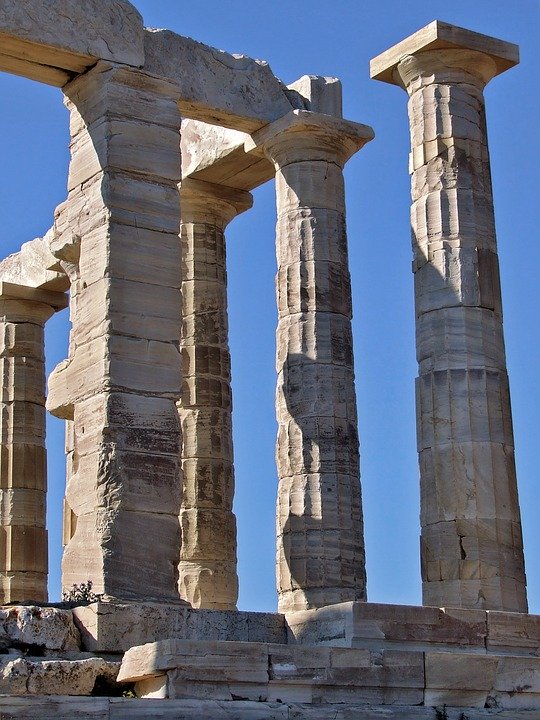
I was standing at the base of Cape Sounion, watching the last light hit the columns of Poseidon's temple, when I realized my wide-angle lens couldn't capture even half of what I was seeing. That single evening changed how I approach every ancient site. If you're drawn to Greek mythology photo locations, you're chasing something most travel photographers never attempt — scenes where landscape, history, and storytelling collide. Greece offers a rare chance to photograph places where gods supposedly walked, and this guide from our ultimate guides collection breaks down exactly how to do it right.
The six locations below aren't random tourist stops. Each one ties directly to a specific myth — from the birthplace of Apollo to the gateway to the Underworld. You'll get practical shooting advice, gear suggestions, and timing strategies so you walk away with portfolio-worthy images instead of snapshots.
Whether you're planning a dedicated photography trip or adding a few days onto a vacation, these spots reward preparation. Pair this guide with solid travel photography fundamentals and you'll be ready for anything Greece throws at you.
Contents
- How to Plan Your Greek Mythology Photo Trip Step by Step
- Comparing the Six Greek Mythology Photo Locations
- When to Visit These Sites (And When to Stay Away)
- Common Challenges at These Sites and How to Solve Them
- Building a Long-Term Greece Photography Portfolio
- Photography Myths About Shooting in Greece — Busted
- Pros and Cons of Shooting at Ancient Greek Sites
- Frequently Asked Questions
- Final Thoughts
How to Plan Your Greek Mythology Photo Trip Step by Step
Shooting Greek mythology photo locations without a plan is like showing up to a wedding without checking the venue first. You need structure. Here's how to approach it.
Research the Myths Before You Pack
Knowing the story behind each site transforms your composition choices. When you understand that Delphi was considered the center of the world, you frame the Tholos differently — centering it in the valley rather than isolating the columns.
- Read the core myth for each location — even a quick summary from Wikipedia's Greek mythology overview gives you enough context.
- Study the site layout using Google Earth or official archaeological maps.
- Identify 3–5 compositions you want before arriving.
- Note sunrise/sunset angles using apps like PhotoPills or The Photographer's Ephemeris.
- Check permit requirements — some sites restrict commercial photography.
Map Your Route Around Light
Greece's geography makes logistics tricky. Islands require ferries. Mainland sites sit hours apart. Build your itinerary around golden hour at each location, not around driving convenience.
- Delphi and Meteora work as a mainland pair — about 3 hours apart.
- Cape Sounion is a day trip from Athens (90 minutes each way).
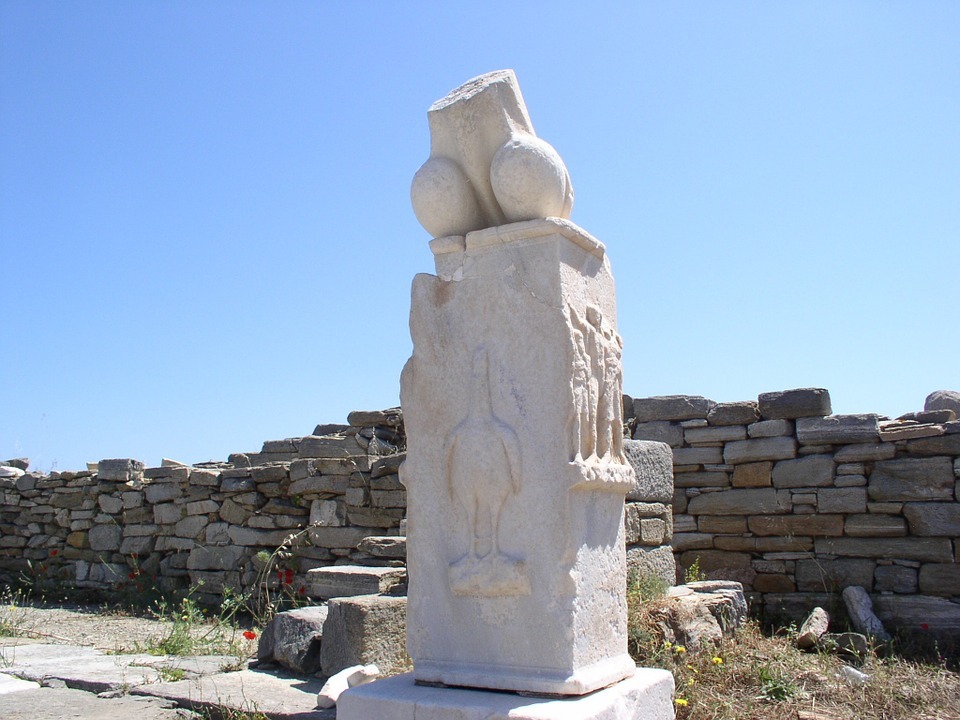
- Delos requires a boat from Mykonos — plan for morning departures.
- Knossos sits on Crete, so budget at least two full days on the island.
- Cape Tainaron (the Underworld entrance) is remote — allow extra travel time.
Comparing the Six Greek Mythology Photo Locations
Not all mythological sites photograph the same way. Some reward wide-angle drama; others demand intimate detail work. Here's how they stack up.
Location-by-Location Breakdown
| Location | Myth Connection | Best Lens | Difficulty | Best Light |
|---|---|---|---|---|
| Temple of Poseidon, Cape Sounion | Poseidon's clifftop shrine | 16–35mm wide-angle | Easy | Sunset |
| Delphi (Temple of Apollo) | Oracle of Apollo, center of the world | 24–70mm standard zoom | Moderate | Early morning |
| Delos Island | Birthplace of Apollo and Artemis | 16–35mm wide-angle | Moderate | Morning |
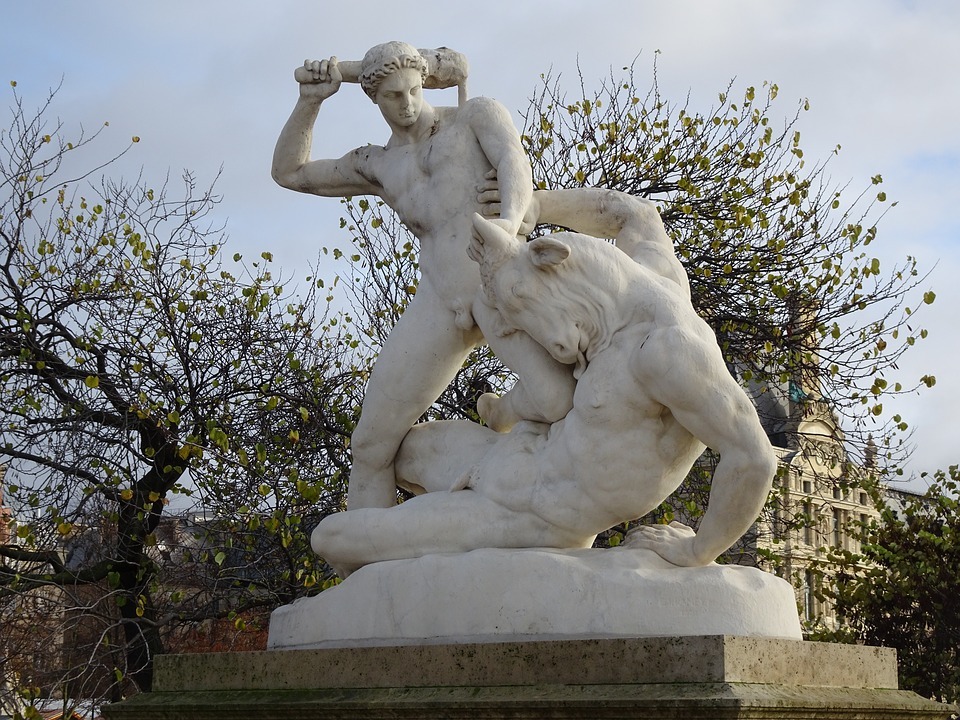
| Knossos, Crete | Labyrinth of the Minotaur | 35–85mm for details | Easy | Late afternoon |
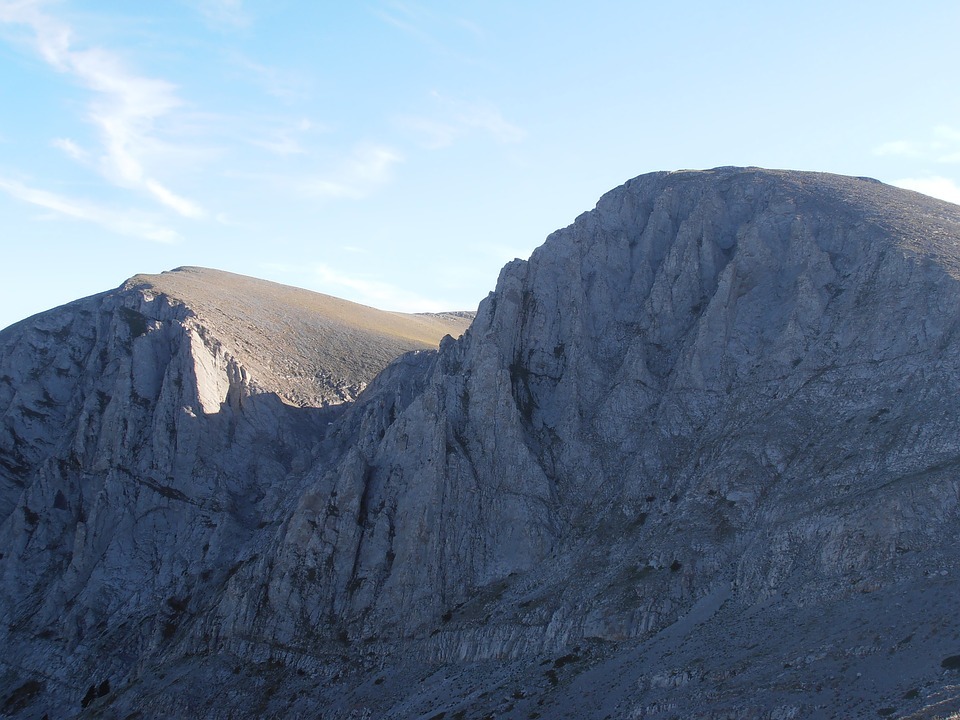
| Meteora Monasteries | Gods' pillars between earth and sky | 70–200mm telephoto | Challenging | Sunrise or sunset |
| Cape Tainaron | Entrance to the Underworld (Hades) | 16–35mm wide-angle | Challenging | Golden hour |
If you're short on time, Cape Sounion and Delphi give the highest reward for the least effort. If you want a challenge that most photographers skip entirely, Cape Tainaron delivers something truly unique.
When to Visit These Sites (And When to Stay Away)
Timing can make or break your shots at Greek mythology photo locations. The difference between a crowded midday mess and a moody dawn masterpiece is just a matter of planning.
Best Seasons for Each Location
- Spring (March–May): Wildflowers at Delphi, comfortable temperatures, moderate crowds. Best overall window.
- Autumn (September–November): Softer light, fewer tourists, warm enough for comfortable shooting. Second-best choice.
- Summer (June–August): Brutal midday heat and peak tourist season. Workable only if you commit to sunrise/sunset sessions exclusively.
- Winter (December–February): Some sites close or reduce hours. Meteora can be dramatic with fog, but ferry services to Delos shut down.
Avoiding the Crowds
Cruise ship schedules dictate crowd patterns at every major site. Delphi floods between 10 AM and 2 PM when buses arrive from Athens. Cape Sounion gets slammed around sunset during summer. Your best strategy:
- Arrive at opening time — most sites open between 8:00 and 8:30 AM.
- Shoot on weekdays whenever possible.
- Use longer focal lengths to isolate details and compress crowds out of frame.
- Visit shoulder season for the widest empty windows.
Common Challenges at These Sites and How to Solve Them
Greece isn't always easy to photograph. The light is intense, the rules vary by site, and the terrain punishes unprepared shooters. Here's what to watch for.
Dealing with Harsh Mediterranean Light
The Greek sun between 11 AM and 4 PM creates blown-out skies and deep, unflattering shadows on marble columns. You have a few options:
- Use a circular polarizer to cut glare on white marble and deepen the sky. This single filter makes the biggest difference at ancient sites.
- Bracket your exposures for HDR blending later — stone ruins have extreme dynamic range.
- Embrace the contrast for black-and-white conversions. Harsh midday light that ruins color shots creates striking monochrome images.
- Carry a graduated ND filter for compositions that include both bright sky and shadowed ruins.
If you're still developing your planning and preparation workflow, practice these techniques at local historic sites before the trip.
Working Around Tripod Restrictions
Several Greek archaeological sites ban tripods without a special permit. The Acropolis Museum, Knossos interiors, and some sections of Delphi all restrict them.
- Bring a compact travel tripod and ask at the gate — enforcement varies.
- Use a beanbag or flat surface for stabilization.
- Lean against columns or walls for extra steadiness (without touching artifacts).
- Bump your ISO to 800–1600 rather than missing the shot entirely.
- Practice ethical travel photography habits — respecting site rules protects access for future photographers.
Building a Long-Term Greece Photography Portfolio
A single trip to Greece gives you strong individual images. Multiple trips give you a cohesive body of work. If you're serious about mythology-themed photography, think beyond one visit.
Why Return Visits Pay Off
Each season transforms these sites. Delphi under spring wildflowers looks nothing like Delphi under winter fog. Meteora at sunrise in October carries a completely different mood than the same vantage point in July. Returning lets you:
- Capture seasonal variations that tell a richer story.
- Correct mistakes from your first visit — better angles, better timing, better gear choices.
- Build relationships with local guides who can unlock access to restricted viewpoints.
- Develop a signature style that sets your Greek mythology photo locations work apart from tourist snapshots.
Create a shot list after each trip of images you missed or want to improve. This turns scattered travel photography into intentional portfolio building. Over time, you'll have enough material for a dedicated series or exhibition.
Photography Myths About Shooting in Greece — Busted
There's a lot of bad advice floating around about photographing ancient Greek sites. Let's clear up the biggest misconceptions.
Gear Misconceptions
- "You need a full-frame camera for ruins." False. APS-C and Micro Four Thirds bodies deliver excellent results. The extra reach of a crop sensor actually helps isolate architectural details.
- "Wide-angle is the only lens worth bringing." Wrong. A 70–200mm telephoto compresses temple columns beautifully and eliminates distracting backgrounds. Some of the strongest compositions at Meteora demand telephoto reach.
- "You can't get good shots during midday." Not true if you adapt. Midday light is harsh, but it's perfect for high-contrast black-and-white work and for shooting into shaded temple interiors where the light becomes soft and directional.
- "Drone photography is the best way to capture these sites." Most major archaeological sites in Greece ban drones outright. Even where technically legal, enforcement has tightened dramatically. Don't plan your trip around aerial shots you likely can't take.
- "Post-processing ruins the authenticity." Thoughtful editing enhances what the camera captured. Adjusting white balance to warm up golden-hour marble or pulling shadow detail from a bracketed set isn't cheating — it's completing the image you saw with your eyes.
Pros and Cons of Shooting at Ancient Greek Sites
Before you book flights, weigh the realities honestly. These locations are extraordinary, but they come with genuine trade-offs.
Pros:
- Unmatched visual drama — ancient marble against deep blue skies and rugged coastlines.
- Strong narrative potential — every image carries a story thousands of years old.
- Diverse shooting conditions across a compact geography (coast, mountains, islands, valleys).
- Well-maintained sites with clear paths and established viewpoints.
- Rich supporting content — you can pair images with mythology for stronger editorial pitches.
Cons:
- Heavy tourist traffic at popular sites, especially during summer months.
- Tripod and drone restrictions limit your technical options at several locations.
- Intense heat from June through August makes extended outdoor shooting physically demanding.
- Ferry schedules to islands like Delos are weather-dependent and can cancel without notice.
- Permit requirements for commercial work add cost and bureaucratic complexity.
The pros heavily outweigh the cons for most photographers. The restrictions are manageable with planning, and the visual payoff at these Greek mythology photo locations is consistently outstanding.
Frequently Asked Questions
What is the best time of day to photograph Greek mythology sites?
The first and last hours of daylight deliver the strongest results. Golden-hour light warms up white marble and creates long shadows that add depth to columns and ruins. Arrive at site opening for the quietest conditions and softest light.
Do you need a permit to photograph at Greek archaeological sites?
Personal photography is allowed at nearly all sites with your entrance ticket. Commercial photography and video — including work intended for sale — typically requires a permit from the Central Archaeological Council. Fees and processing times vary, so apply well in advance.
Which Greek mythology photo location is best for beginners?
The Temple of Poseidon at Cape Sounion is the most accessible. It's easy to reach from Athens, has straightforward compositions, and the sunset backdrop practically guarantees a strong image with minimal experience.
Can you use a tripod at the Acropolis and other Greek ruins?
Tripod policies vary by site. The Acropolis and Knossos interiors generally restrict them without a permit. Delphi's outdoor areas are more lenient. Always ask at the entrance gate, and carry a compact alternative like a gorillapod or beanbag as backup.
What camera gear should you bring for photographing Greek ruins?
A versatile zoom like a 24–70mm covers most situations. Add a wide-angle (16–35mm) for dramatic temple interiors and clifftop scenes, and a telephoto (70–200mm) for isolating details. A circular polarizer is essential for managing glare on white marble.
Is it worth visiting Delos Island just for photography?
Absolutely. Delos is one of the most photogenic archaeological sites in the Mediterranean. The Terrace of the Lions, ancient mosaics, and the barren island landscape against the Aegean Sea create compositions you can't find anywhere else in Greece.
Final Thoughts
You now have a clear roadmap for photographing six of Greece's most powerful mythological sites. Pick one or two locations that excite you most, plan your trip around golden-hour light, and go shoot. The ruins have stood for thousands of years — they'll be waiting. Start building your shot list today, and bring back images that do these ancient stories justice.
 |
 |
 |
 |

About Alex W.
Alex is a landscape, equine, and pet photographer based in the Lake District, UK, with years of experience shooting in one of Britain's most photographically demanding natural environments. His work has been featured in Take a View Landscape Photographer of the Year, Outdoor Photographer of the Year, and Amateur Photographer Magazine — publications that reflect a serious, competitive standard of image-making. At Click and Learn Photography, he shares the camera settings, gear choices, and compositional techniques he has developed through real-world shooting and competition-level work.
You can Get FREE Gifts. Furthermore, Free Items here. Disable Ad Blocker to receive them all.
Once done, hit anything below
|
|
|
|