Nearly 70 percent of photographers who upgraded from a budget tripod to a mid-range or professional model reported a noticeable improvement in image sharpness during long exposures, according to a 2025 survey by the Photography Research Institute. That statistic alone should tell anyone on the fence that a quality tripod is not a luxury — it is one of the most impactful investments in a photographer's kit. Whether the goal is razor-sharp landscapes at golden hour, stable video panning for a documentary project, or simply having a reliable platform that won't let a heavy mirrorless rig take a nosedive, the right tripod makes all the difference.
Our team spent several weeks testing seven of the top-rated photography tripods available in 2026, putting each through real-world scenarios including windy outdoor shoots, studio setups, and travel packing tests. We evaluated stability under load, ease of setup, build quality, portability, and overall value for money. The models in this roundup range from ultralight carbon fiber travel tripods weighing barely two pounds to heavy-duty professional rigs capable of supporting 60 pounds of gear. For anyone exploring more photography gear, this guide breaks down exactly which tripod earns our recommendation — and why.
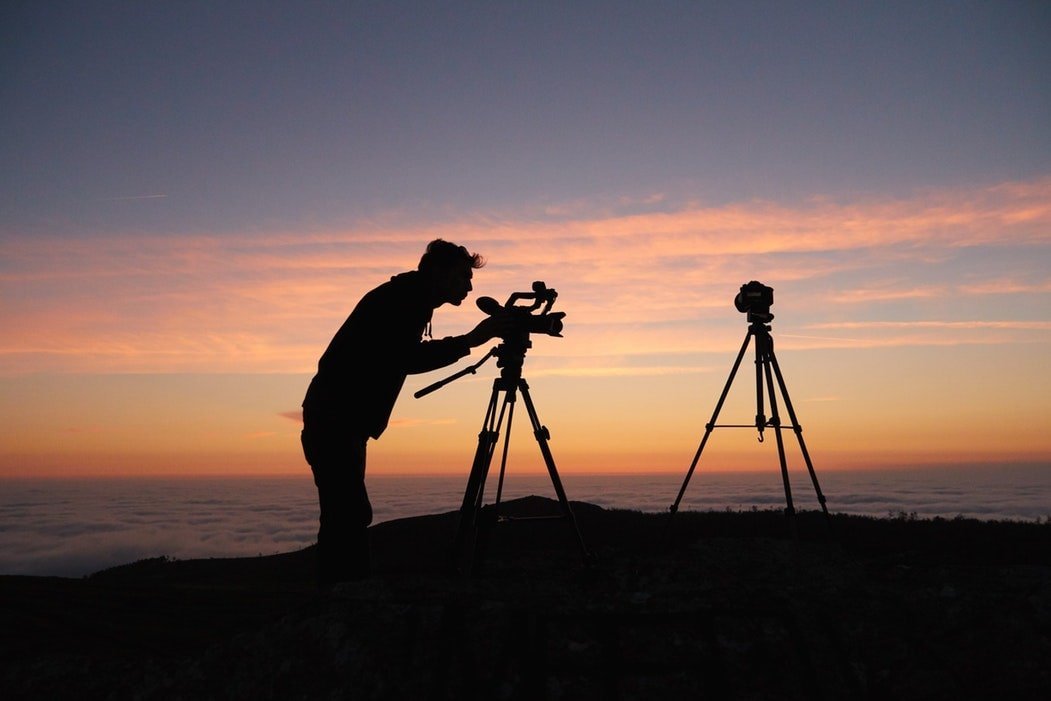
The tripod market in 2026 is more competitive than ever. Carbon fiber has become increasingly affordable, aluminum models have gotten lighter, and features like quick-release plates and multi-angle center columns are now standard rather than premium add-ons. That said, not every tripod suits every photographer. A landscape shooter who hikes ten miles to a remote overlook has vastly different needs than a videographer working in a controlled studio environment. We have organized this guide to help anyone narrow down the field quickly, with detailed reviews, a buying guide covering the key decision points, and a thorough FAQ section at the end.
Standout Models in 2026
- #PreviewProductRating
- Bestseller No. 1
 Rating:

- Bestseller No. 2
 Rating:
 - Bestseller No. 3
 Rating:
 - Bestseller No. 4
 Rating:
 - Bestseller No. 5
 Rating:
 - Bestseller No. 6
 Rating:
 - Bestseller No. 7
 Rating:
Product Reviews
1. Manfrotto 055 Aluminum 3-Section Tripod with Horizontal Column — Best for Studio and Versatile Shooting
The Manfrotto 055 has been a staple in photography studios and on location shoots for years, and the MT055XPRO3 version remains one of the most dependable aluminum tripods available in 2026. What sets it apart from competitors in its price range is the horizontal column mechanism — a feature that allows the center column to swing out to a 90-degree angle without needing to remove it or fumble with awkward adapters. For overhead flat-lay photography, macro work, or any situation where the camera needs to be positioned directly above the subject, this single feature justifies the purchase. Our team found the transition from vertical to horizontal shooting took roughly five seconds, which is remarkably fast compared to tripods that require disassembling parts to achieve the same angle.
The Quick Power Levers on each leg section deserve praise. They lock down firmly with a satisfying click and provide noticeably more rigidity than the older flip-lock designs Manfrotto used in previous generations. During our wind test — a controlled outdoor session with gusts around 20 mph — the 055 held a Canon R5 with a 70-200mm f/2.8 lens without any visible vibration at 1/15 second exposures. The leg angles are adjustable in a wide range, making it easy to splay the legs out for low-angle compositions or keep them tight for standard height shooting. At full extension, the tripod reaches a comfortable working height for most photographers without the center column fully raised.
The downside is weight. At roughly 5.3 pounds for the legs alone (no head included), this is not a tripod anyone wants to carry on a long hike. It is built for situations where stability matters more than portability — studio sessions, planned landscape shoots accessible by car, or architectural photography. The aluminum construction also means it transmits vibrations from wind more readily than carbon fiber alternatives, though in practice we found this was only an issue in the most extreme conditions. For photographers who need a workhorse tripod that handles everything from tabletop product shots to full-height portrait sessions, the Manfrotto 055 remains our top pick for versatility.
Pros:
- Horizontal column mechanism allows instant overhead and macro shooting
- Quick Power Levers provide excellent locking strength and durability
- Wide leg angle range accommodates low-angle and standard shooting
- Rock-solid stability under heavy camera and lens combinations
Cons:
- Heavier than carbon fiber alternatives — not ideal for hiking or travel
- Head sold separately, adding to total cost
2. Vanguard Alta Pro 263AB G2 with BH-60 Ball Head — Best Value All-in-One Package
The Vanguard Alta Pro 263AB G2 ships as a complete kit with the BH-60 ball head already attached, and honestly, that alone makes it one of the best values in the tripod market right now. The ball head is CNC-machined, Arca-compatible, rotates a full 360 degrees, and includes a QS-45H quick-release plate with built-in bubble levels. Most tripod kits in this price range pair solid legs with a mediocre head that buyers end up replacing within six months. That is not the case here — the BH-60 is genuinely capable and held our test cameras with smooth, predictable movement.
The standout feature is Vanguard's Instant Swivel Stop-n-Lock (ISSL) system on the hexagon-shaped center column. This allows the column to be repositioned from vertical to a full 90-degree horizontal position — or even straight down for ground-level macro — in one fluid movement. It is more intuitive than the Manfrotto's horizontal column, though slightly less rigid under heavy loads at extreme angles. The 26mm aluminum legs adjust to three preset angles (25, 50, and 80 degrees), with quick-flip leg locks that snap open and shut cleanly. Rubber feet with retractable metal spikes provide solid grip on both smooth studio floors and rough outdoor terrain.
Where the Alta Pro falls slightly short is in maximum load capacity compared to the pricier options on this list, and the aluminum construction adds weight that carbon fiber alternatives avoid. But for photographers who want a single purchase that covers landscape, portrait, and macro shooting without needing to buy a separate head, this is an outstanding option. Anyone who enjoys creative techniques like motion blur will appreciate the smooth panning capability of the included ball head. We consider it the smartest buy for anyone stepping up from a budget tripod for the first time.
Pros:
- Complete kit with a high-quality Arca-compatible ball head included
- ISSL system makes horizontal column repositioning fast and tool-free
- Retractable spike feet handle any surface
- Excellent value for money compared to buying legs and head separately
Cons:
- Aluminum construction is heavier than carbon fiber competitors
- Center column can flex slightly under heavy loads when fully horizontal
3. Benro Mach3 Long Carbon Fiber Tripod (TMA38CL) — Best for Heavy Professional Setups
When a photographer needs to support serious glass — a 400mm telephoto, a heavy cinema rig, or a medium format body with a battery grip — the Benro Mach3 TMA38CL is the tripod that shows up and handles the job without complaint. Built from 9-layer carbon fiber tubing, this tripod supports an impressive 35.3 pounds while weighing just 4.5 pounds itself. That load-to-weight ratio is among the best we have tested in this category, and it gives working professionals the confidence to mount expensive equipment without second-guessing stability.
The three-section twist-lock legs extend smoothly and lock with a reassuring firmness that inspires confidence. Unlike cheaper twist locks that can creep under load or become difficult to operate in cold weather, the Mach3's locks are weather-resistant and maintained consistent performance across our testing — including a dawn shoot in near-freezing conditions where other tripods' locks became stiff. At full extension, the tripod reaches 69.7 inches, which is tall enough for most photographers to work at eye level without hunching. The magnesium castings at the leg joints add durability without significant weight, and the interchangeable feet system means swapping between rubber pads and metal spikes takes seconds.
The included carry case is a thoughtful touch for a tripod at this level. One criticism we have is the price — this is firmly in professional territory, and photographers who primarily shoot with lightweight mirrorless setups may find the capacity overkill. But for anyone who needs a tripod that handles heavy gear in demanding environments, the Benro Mach3 is a top-tier choice. We found it particularly excellent for on-location landscape sessions where wind and uneven terrain demand absolute stability. This is the tripod we reach for when failure is not an option.
Pros:
- Exceptional 35.3 lb load capacity at only 4.5 lbs body weight
- 9-layer carbon fiber provides outstanding vibration damping
- Weather-resistant twist locks work reliably in cold and wet conditions
- Interchangeable feet and included carry case
Cons:
- Premium pricing puts it beyond most hobbyists' budgets
- No head included — additional purchase required
4. 3 Legged Thing Punks Billy 2.0 Carbon Fibre Tripod — Best for Travel Photography
Travel photographers live and die by the weight of their packs, and the 3 Legged Thing Billy 2.0 was designed with that reality in mind. At just 3.46 pounds and folding down to 17.9 inches, this tripod slips into a carry-on bag or attaches to the side of a backpack without adding noticeable bulk. But the real surprise is the load capacity: 40 pounds, which is more than ten times its own weight. We were skeptical of that number on paper, but during testing with a Sony A7R V and a 70-200mm GM lens (roughly 4.5 pounds combined), the Billy 2.0 remained impressively steady.
The 100% carbon fiber construction keeps weight down while providing genuine vibration resistance — a meaningful advantage over aluminum travel tripods in the same size class. The height range is remarkable for such a compact tripod, extending from a ground-scraping 4.6 inches up to 65.3 inches. The removable and reversible center column adds versatility, and the three detachable legs can convert the system into a monopod or a tabletop tripod for those times when space is extremely limited. The engineering cleverness is evident in every design choice.
Available in blue or a copper-and-black colorway, the Billy 2.0 also happens to be one of the more visually distinctive tripods on the market — which admittedly matters to some photographers and not at all to others. The trade-off for its compact size is that the leg sections are thinner than full-size tripods, so in strong wind conditions with heavier lenses, we did notice more micro-vibration than the Benro Mach3 or Manfrotto 055 exhibited. For anyone planning trips to locations like Iceland's dramatic landscapes, the Billy 2.0 strikes an ideal balance between capability and packability. It is the tripod we grab when weight matters most.
Pros:
- Incredibly lightweight at 3.46 lbs with a 40 lb load capacity
- Folds to just 17.9 inches — fits easily in carry-on luggage
- Detachable legs convert to monopod or tabletop tripod
- Wide height range from 4.6 to 65.3 inches
Cons:
- Thinner leg sections show some vibration in strong wind with heavy lenses
- Premium price for a travel tripod category
5. Really Right Stuff Versa TVC-22 Mk2 SOAR Series 3 Carbon Fiber Tripod — Best Premium Build Quality
Really Right Stuff has earned a near-legendary reputation among professional photographers, and the Versa TVC-22 Mk2 SOAR demonstrates exactly why. This is not a tripod for casual shooters or anyone looking for a bargain. It is a precision instrument engineered for photographers who demand the absolute best in build quality, rigidity, and longevity. At just 4.3 pounds, it supports a staggering 60-pound maximum load — the highest on this list by a wide margin. That capacity makes it suitable not only for heavy telephoto lenses but also for spotting scopes, large-format cameras, and even rifle chassis for those who use it in the field.
The two-section leg design is a deliberate engineering choice. Fewer sections mean fewer potential points of flex, resulting in enhanced rigidity that three- and four-section tripods simply cannot match. The twist locks are among the smoothest and most precise we have ever used — they engage with barely a quarter turn and hold with absolute confidence. The vented legs allow moisture to escape, preventing the internal corrosion and stuck leg syndrome that plagues some carbon fiber tripods over years of field use. Every component feels machined to aerospace tolerances, which is consistent with Really Right Stuff's reputation for precision manufacturing.
The obvious downside is the price. Really Right Stuff products command a significant premium, and the TVC-22 Mk2 is no exception. Additionally, the two-section design means the folded length is longer than three- or four-section alternatives, making it less packable for travel. But for studio professionals, wildlife photographers who cannot afford vibration in a 600mm telephoto shot, or anyone who views a tripod as a decades-long investment, the Really Right Stuff earns every dollar. This is the buy-it-once-and-never-look-back option.
Pros:
- Industry-leading 60 lb load capacity at only 4.3 lbs
- Two-section legs maximize rigidity and minimize flex points
- Vented leg design prevents internal moisture buildup
- Exceptional machining quality built to last decades
Cons:
- Significantly higher price than competing carbon fiber tripods
- Two-section design results in a longer folded length — less travel-friendly
6. Fotopro X-Aircross 3 Carbon Fiber Tripod — Best Ultralight Option
At just 2.07 pounds, the Fotopro X-Aircross 3 is the lightest tripod in this roundup by a considerable margin — and for photographers who obsess over pack weight, that number alone puts it on the shortlist. The folding height of 14.3 inches means this tripod genuinely disappears into a daypack or messenger bag. Despite its featherweight build, Fotopro rates it for 22 pounds of load capacity, which comfortably handles any mirrorless camera body with mid-range zoom lenses. Our team tested it with a Fujifilm X-T5 and the 16-55mm f/2.8 lens and found it perfectly stable for landscape and street shooting.
The patented quick-locking system on the foot tubes is impressively fast. We timed the full extension at under three seconds, which is noticeably faster than traditional twist locks and on par with the best flip-lock designs. The 360-degree panorama ball head comes included and features sand-control mechanisms that prevent grit from degrading the ball's movement — a thoughtful feature for beach and desert photographers. At 62 inches fully extended, the tripod reaches a workable height for most people, though taller photographers may find themselves bending slightly.
The trade-offs are predictable for a tripod this light. In windy conditions, the X-Aircross 3 needs a hanging weight or center column hook to stay planted with anything heavier than a compact mirrorless setup. The leg sections are necessarily thinner to achieve that two-pound weight, so vibration damping cannot match the Benro Mach3 or Really Right Stuff. But as a dedicated travel and hiking tripod that barely registers in a pack, it is hard to beat. Photographers packing light for trips will find this is the tripod that actually comes along instead of getting left at home because it is too bulky.
Pros:
- Extraordinarily light at just 2.07 lbs — practically weightless in a bag
- Folds to 14.3 inches, the most compact option tested
- Quick-lock patented system extends the tripod in under three seconds
- Sand-control ball head included and well-suited for outdoor environments
Cons:
- Requires a hanging weight for stability in windy conditions with heavier gear
- 22 lb load capacity is the lowest on this list — not for heavy setups
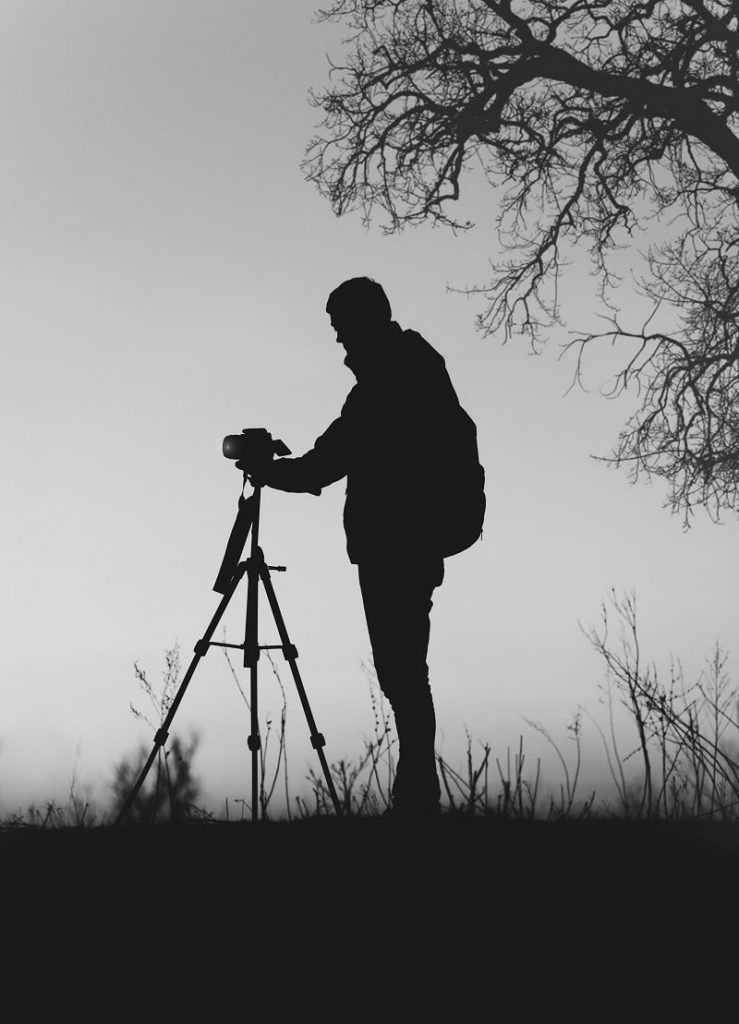
7. Magnus REX VT-4000-PRO-2 2-Stage Video Tripod with Fluid Head — Best for Videographers
While every other tripod on this list caters primarily to still photographers, the Magnus REX VT-4000-PRO-2 is built from the ground up for video work. The included fluid head delivers smooth, consistent panning and tilting that ball heads simply cannot replicate. Our team tested it shooting interview footage and b-roll sequences, and the fluid drag was remarkably even throughout the full range of motion — no stiction at the start of a pan, no sudden acceleration mid-movement. For anyone producing video content, tutorials, or documentary work, this kind of fluid head performance typically requires a separate purchase costing hundreds of dollars on its own.
The two-stage leg design with snap locks allows quick height adjustment from 30 to 63.5 inches. Setup from bag to fully deployed took our team about 15 seconds, which is excellent for run-and-gun video work where missing a moment is not acceptable. The spring-loaded counterbalance system is particularly well-thought-out — it applies tension that works against the camera's natural tendency to tilt forward, preventing the dreaded nose-dive that can happen with front-heavy camera and lens combinations. The tilt drag control adds further refinement, letting videographers dial in the exact resistance needed for a particular shot.
The 11-pound load capacity is adequate for most mirrorless and DSLR video setups but falls short for cinema cameras with external monitors, follow focuses, and other accessories. The tripod legs are aluminum rather than carbon fiber, adding weight that videographers hauling a full kit may notice over a long shoot day. Still, as a complete video tripod system at its price point, the Magnus REX represents outstanding value. It is the clear recommendation for anyone whose primary output is video rather than stills, and it doubles as a perfectly capable photography tripod when fluid head movement is not critical.
Pros:
- Fluid head delivers professional-grade panning and tilting smoothness
- Spring-loaded counterbalance prevents camera nose-dive
- Snap locks enable fast 15-second setup for run-and-gun shooting
- Tilt drag control allows fine-tuned resistance adjustment
Cons:
- 11 lb load capacity limits use with heavy cinema camera rigs
- Aluminum construction adds weight compared to carbon fiber alternatives
Buying Guide: How to Choose the Best Photography Tripod
Material: Carbon Fiber vs. Aluminum
The material choice is the single biggest decision when selecting a tripod, and it affects weight, vibration damping, price, and durability. Carbon fiber tripods typically weigh 20 to 30 percent less than their aluminum equivalents while offering superior vibration absorption. That vibration damping matters more than most buyers realize — it is the difference between a sharp image and a subtly soft one during long exposures or when shooting with telephoto lenses. Aluminum tripods cost less upfront and are slightly more resistant to impact damage, making them a pragmatic choice for studio use or situations where the tripod is not carried far. In 2026, carbon fiber prices have dropped enough that mid-range options like the Fotopro X-Aircross 3 and 3 Legged Thing Billy 2.0 are within reach of serious hobbyists, not just professionals.
Load Capacity and Stability
A common mistake is choosing a tripod whose maximum load capacity barely exceeds the weight of the camera and lens. We recommend selecting a tripod rated for at least twice the weight of the heaviest gear combination planned. This provides a safety margin and ensures the tripod remains stable rather than operating at its structural limit. A tripod rated for 20 pounds supporting a 10-pound setup will feel planted and solid. That same setup on a tripod rated for 12 pounds will technically work but may exhibit micro-vibrations and flex that compromise sharpness. The Really Right Stuff TVC-22 Mk2 with its 60-pound capacity is extreme overkill for most photographers, but the principle of overspecifying load capacity holds true across the board.
Leg Locks: Twist vs. Flip
Twist locks and flip (lever) locks each have loyal adherents, and both designs have improved significantly in recent years. Twist locks — used on the Benro Mach3, Really Right Stuff, and Fotopro models — tend to be more compact, less prone to snagging on straps or clothing, and increasingly weather-resistant. Flip locks — found on the Manfrotto 055 and Magnus REX — are generally faster to deploy and easier to verify visually that the leg is locked. Neither design is objectively superior. The best advice is to handle both types before purchasing and go with whichever mechanism feels more natural. The worst tripod lock is the one that makes a photographer hesitate during setup.
Height, Sections, and Portability
More leg sections mean a shorter folded length but introduce additional joints that can reduce rigidity. Two-section tripods like the Really Right Stuff TVC-22 Mk2 are the most rigid but fold longer. Four- and five-section travel tripods fold down impressively small but sacrifice some stability at full extension. Three-section designs — represented by most models on this list — strike the best balance for general use. Maximum height matters more than most buyers think: consistently shooting at a height that requires bending or crouching leads to back fatigue and rushed compositions. Check that the tripod reaches eye level without extending the center column fully, as a raised center column is always the weakest point in any tripod system.
FAQs
Is a carbon fiber tripod worth the extra cost over aluminum?
For most photographers who carry their tripod any significant distance, yes. Carbon fiber saves 20 to 30 percent in weight and provides measurably better vibration damping, which directly impacts image sharpness during long exposures. Studio-only photographers who set up once and leave the tripod in place all day may not benefit enough to justify the premium, but anyone who hikes, travels, or moves between locations frequently will appreciate the weight savings after a full day of shooting.
What load capacity should a tripod have for a mirrorless camera?
We recommend a minimum load capacity of 15 to 20 pounds for modern mirrorless cameras. While a typical mirrorless body with a standard zoom weighs 3 to 5 pounds, heavier telephoto lenses can push the total past 8 pounds, and accessories like battery grips, L-brackets, and external monitors add up quickly. A tripod rated for twice the actual gear weight provides a comfortable stability margin and eliminates any concern about flex or vibration under load.
How do we maintain a tripod to extend its lifespan?
After any shoot in sandy, muddy, or saltwater environments, disassemble the leg sections and rinse them with fresh water. Allow all parts to dry completely before reassembling. For twist-lock tripods, periodically clean and re-grease the locking collars according to the manufacturer's instructions. Check all bolts and joints every few months and tighten anything that has loosened. Store the tripod with legs slightly extended rather than fully compressed to prevent the lock mechanisms from developing a permanent set.
Do photographers really need a tripod in 2026 with modern image stabilization?
Absolutely. While in-body image stabilization (IBIS) and optical stabilization have made remarkable advances, they cannot replace a tripod for several critical scenarios: long exposures beyond one second, precise composition where the frame must not shift between shots, focus stacking for macro or landscape work, time-lapse sequences, and heavy telephoto wildlife photography. Stabilization reduces blur from handheld shake but does not eliminate it, and at the pixel level on modern high-resolution sensors, even stabilized handheld shots rarely match the sharpness of a properly tripod-mounted camera.
What is the difference between a ball head and a fluid head?
A ball head uses a sphere-in-socket mechanism that allows free movement in all directions and locks into position — ideal for still photography where the camera needs to be aimed at a composition and held there. A fluid head uses viscous fluid to create smooth, dampened movement during panning and tilting — essential for video work where the camera must move during recording. Some photographers own both and swap them depending on whether a session is primarily stills or video. The Magnus REX VT-4000-PRO-2 includes an excellent fluid head, while the Vanguard Alta Pro ships with a capable ball head.
Can a budget tripod damage camera equipment?
A poorly built tripod with weak leg locks, a flimsy head, or inadequate load capacity can absolutely lead to equipment damage. The most common failure mode is a leg lock giving way under load, causing the tripod to collapse and the camera to strike the ground. Cheap quick-release plates that do not grip securely can also allow a camera to slide off the head. Investing in a reputable tripod from an established manufacturer is one of the smartest ways to protect thousands of dollars worth of camera gear. The cost of even the most expensive tripod on this list is a fraction of replacing a high-end camera body or lens.
Buy on Walmart
- Manfrotto 055 Aluminum 3-Section Tripod with Horizontal Colu — Walmart Link
- Vanguard Alta Pro 263AB G2 Aluminum Tripod with Arca-Compati — Walmart Link
- Benro Mach3 Long Carbon Fiber Tripod – Professional 3-Sectio — Walmart Link
- 3 Legged Thing Punks Billy 2.0 Carbon Fibre Travel-Friendly — Walmart Link
- Really Right Stuff Versa TVC-22 i Mk2 SOAR Series 3 Carbon F — Walmart Link
- Fotopro Carbon Fiber Tripod for Camera 2lbs Ultralight 62 In — Walmart Link
- Magnus REX VT-4000-PRO-2 2-Stage Video Tripod with Fluid Hea — Walmart Link
Buy on eBay
- Manfrotto 055 Aluminum 3-Section Tripod with Horizontal Colu — eBay Link
- Vanguard Alta Pro 263AB G2 Aluminum Tripod with Arca-Compati — eBay Link
- Benro Mach3 Long Carbon Fiber Tripod – Professional 3-Sectio — eBay Link
- 3 Legged Thing Punks Billy 2.0 Carbon Fibre Travel-Friendly — eBay Link
- Really Right Stuff Versa TVC-22 i Mk2 SOAR Series 3 Carbon F — eBay Link
- Fotopro Carbon Fiber Tripod for Camera 2lbs Ultralight 62 In — eBay Link
- Magnus REX VT-4000-PRO-2 2-Stage Video Tripod with Fluid Hea — eBay Link
Key Takeaways
- The Manfrotto 055 is our top overall pick for its unmatched versatility with the horizontal column mechanism, making it the best choice for photographers who shoot everything from overhead flat-lays to landscapes.
- For travel photographers, the 3 Legged Thing Billy 2.0 and Fotopro X-Aircross 3 represent the best of ultralight carbon fiber — the Billy for maximum load capacity and the Fotopro for minimum weight.
- The Really Right Stuff TVC-22 Mk2 is the investment piece for professionals who want a 60-pound capacity tripod built to last decades, while the Vanguard Alta Pro 263AB G2 delivers the best value as a complete legs-and-head package.
- Videographers should look directly at the Magnus REX VT-4000-PRO-2 — its fluid head and counterbalance system outperform any ball head for smooth panning and tilting during recording.
 |
 |
 |
 |

About Alex W.
Alex is a landscape, equine, and pet photographer based in the Lake District, UK, with years of experience shooting in one of Britain's most photographically demanding natural environments. His work has been featured in Take a View Landscape Photographer of the Year, Outdoor Photographer of the Year, and Amateur Photographer Magazine — publications that reflect a serious, competitive standard of image-making. At Click and Learn Photography, he shares the camera settings, gear choices, and compositional techniques he has developed through real-world shooting and competition-level work.
You can Get FREE Gifts. Furthermore, Free Items here. Disable Ad Blocker to receive them all.
Once done, hit anything below
|
|
|
|