Iceland receives roughly 2 million visitors per year, and our team estimates that over half of them arrive with a camera as their primary travel companion. That staggering number makes sense once we've stood beneath a glacier or watched the northern lights ripple across the highlands — the best photo locations in Iceland practically beg to be captured. Our experience across multiple trips has shown that knowing exactly where to go, what gear to bring, and when to arrive separates a good portfolio from an extraordinary one. For anyone passionate about landscape photography, Iceland remains the single most rewarding destination on the planet.
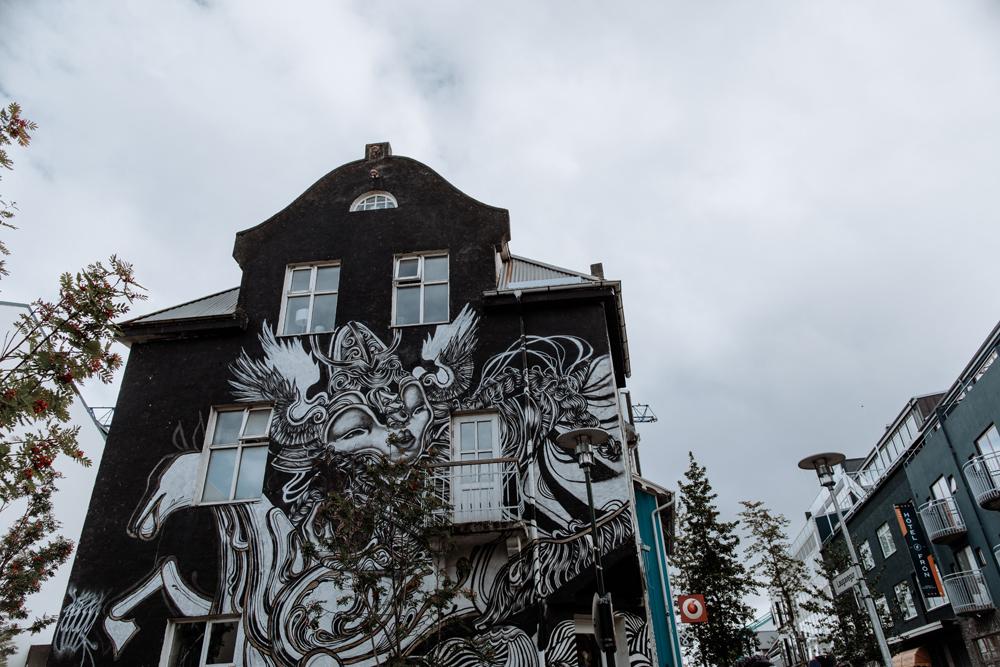
What makes Iceland so remarkable for photographers is the sheer diversity packed into an island roughly the size of Kentucky. Volcanic black sand beaches sit minutes from lush green valleys, and massive ice caves form just hours from geothermal hot springs. Our team has compiled a comprehensive guide that covers not just the iconic spots but also the practical strategies that make each shoot successful — from dealing with unpredictable weather to choosing the right travel photography techniques for each environment.
Contents
- Iceland Locations for Beginners and Advanced Photographers
- Best Practices for Shooting in Iceland's Conditions
- Quick Wins: Iconic Shots Anyone Can Nail
- The 10 Must-Photograph Locations in Detail
- How to Plan an Iceland Photography Trip Step by Step
- Troubleshooting Common Iceland Photography Challenges
- Creative Uses Beyond Traditional Landscapes
- Frequently Asked Questions
Iceland Locations for Beginners and Advanced Photographers
Not every location in Iceland demands the same skill level, and understanding that distinction saves both time and frustration. Our team breaks Iceland's best photo locations into two tiers based on accessibility, technical difficulty, and the post-processing knowledge required to do them justice.
The South Coast Circuit
Beginners thrive along the south coast because the locations are roadside-accessible and naturally photogenic without complex compositions. The key spots include:
- Seljalandsfoss — a waterfall that allows shooting from behind the cascade, which produces dramatic backlit frames
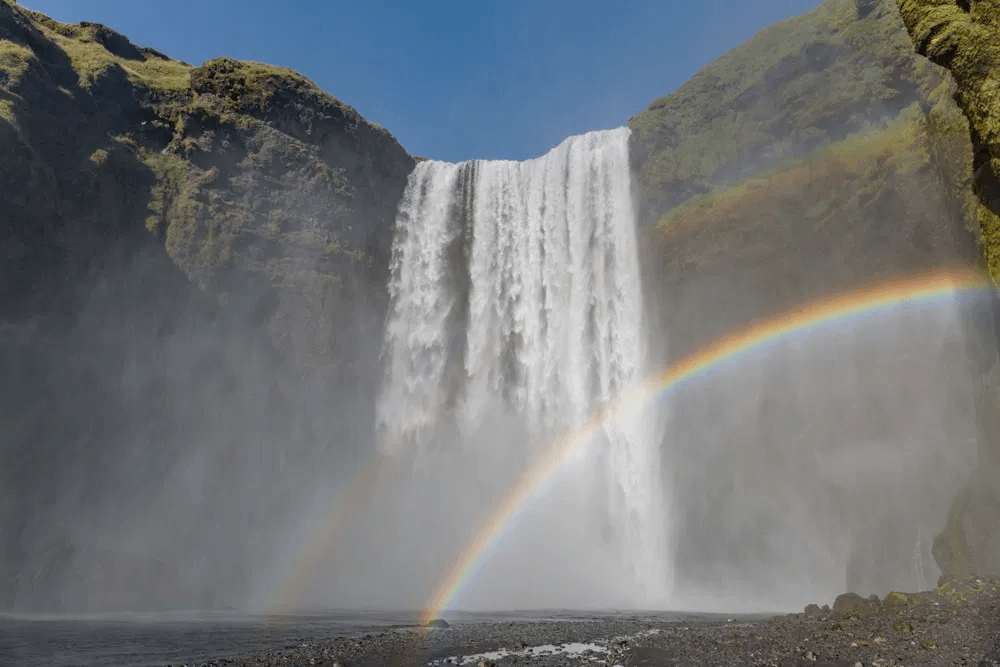
- Skógafoss — a massive 60-meter drop with a flat foreground perfect for leading-line compositions
- Reynisfjara Black Sand Beach — the basalt columns and sea stacks create strong geometric interest
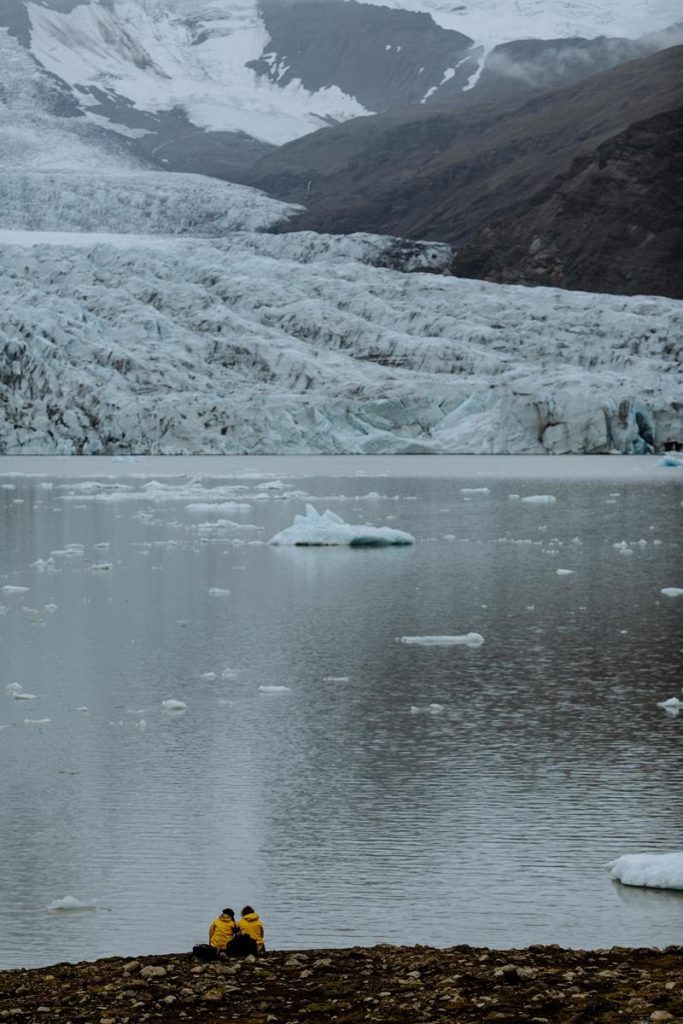
- Jökulsárlón Glacier Lagoon — floating icebergs provide endless foreground subjects
The Highland Interior
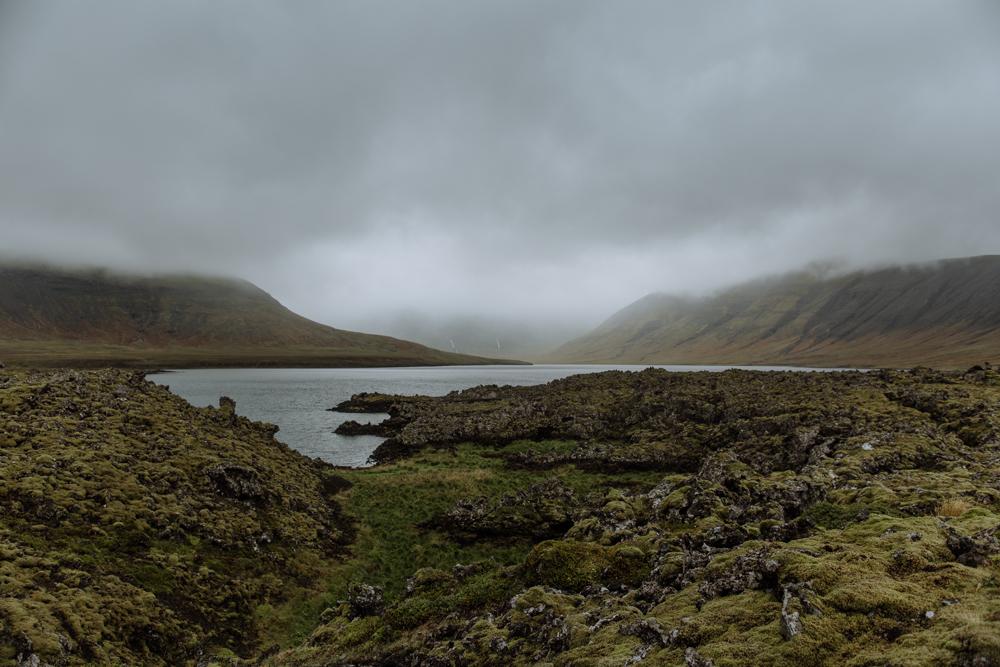
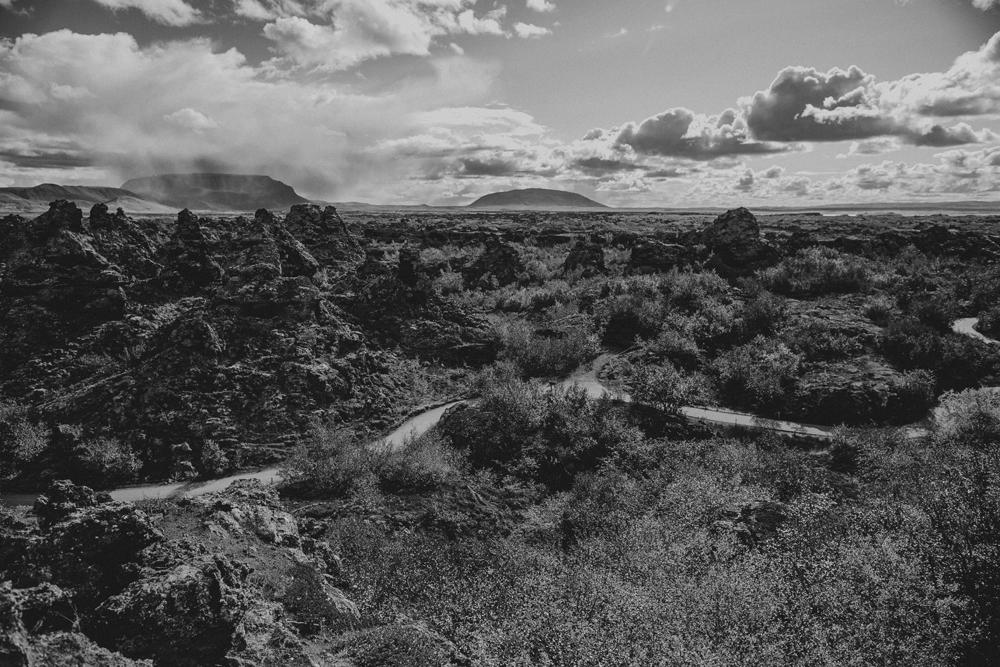
Advanced photographers gravitate toward Landmannalaugar, Thorsmork, and the Askja caldera, where F-roads require 4WD vehicles and the terrain demands physical endurance. These locations reward experienced shooters with virtually untouched compositions that few tourists ever witness. Understanding leading lines and composition techniques becomes essential when working with the vast, featureless lava fields of the interior.
Pro tip: The highland roads typically open in late June and close by mid-September, so our team plans interior shoots within that narrow window to avoid permit issues and impassable conditions.
Best Practices for Shooting in Iceland's Conditions
Iceland's weather changes every fifteen minutes — that's not an exaggeration but a widely acknowledged reality among locals. Our team has developed a set of non-negotiable practices for every Iceland shoot based on hard-won experience.
Weather-Proofing and Gear Protection
- Always carry a rain cover for the camera body; horizontal rain is the norm, not the exception
- Use a sturdy tripod rated for wind — our team recommends models with a hook for hanging a sandbag or camera bag
- Bring lens cloths in bulk, because salt spray at coastal locations coats glass within minutes
- Pack silica gel packets inside the camera bag to combat condensation when moving between cold exteriors and warm vehicles
- A quality ND filter system is essential for long exposures at waterfalls and coastlines
Layered clothing matters just as much as camera protection, because a photographer who's shivering makes poor creative decisions. Our team wears merino base layers, windproof shells, and waterproof hiking boots on every single outing regardless of the forecast.
Quick Wins: Iconic Shots Anyone Can Nail
Some of the best photo locations in Iceland deliver stunning results without requiring advanced technique, which makes them ideal for building confidence and portfolio variety. These quick wins work because the landscapes themselves do the heavy compositional lifting.
- Diamond Beach ice chunks at sunrise — arrive early, shoot low, and let the translucent ice glow against the black sand
- Hallgrímskirkja church in Reykjavík — center the leading line of the walkway for a powerful symmetrical frame
- Svartifoss waterfall — the hexagonal basalt columns serve as a natural frame around the cascade
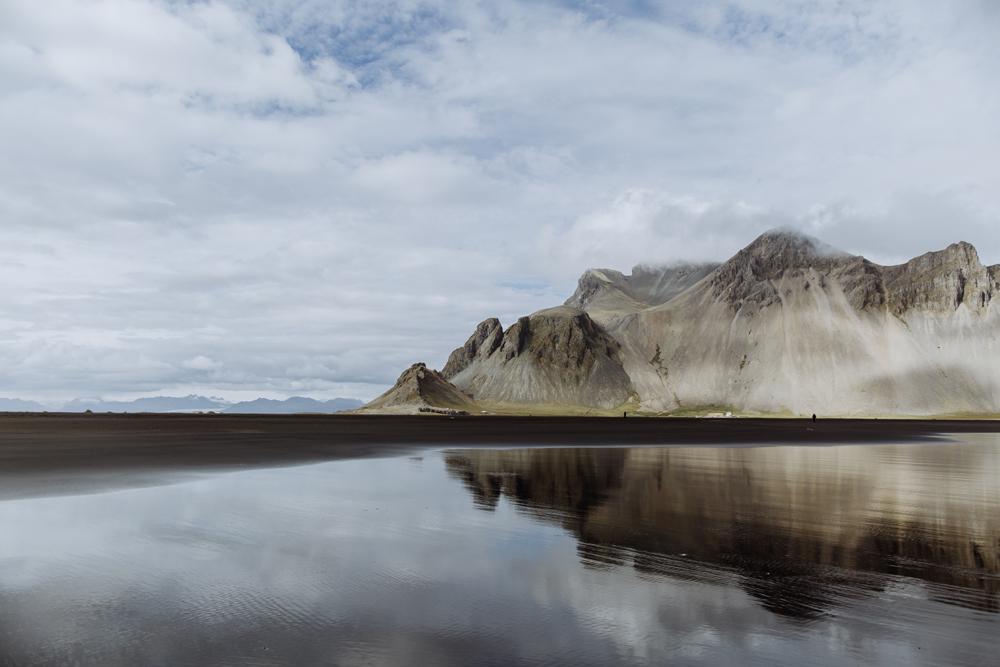
- The Stokksnes Viking Village with Vestrahorn mountain — the tidal flats create mirror reflections during calm mornings
- Kirkjufell mountain from the waterfall viewpoint — arguably the most photographed scene in Iceland for good reason
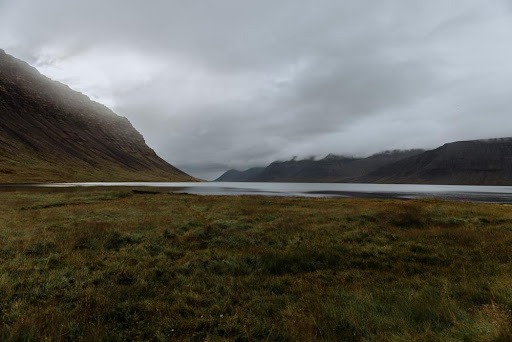
Anyone familiar with the advantages of shooting at sunrise already knows that golden hour in Iceland stretches for hours during summer months, which dramatically extends the window for warm, directional light.
The 10 Must-Photograph Locations in Detail
Our team has rated each location across five practical dimensions that matter most when planning a photography-focused trip. This table provides a quick reference for prioritizing the itinerary.
| Location | Difficulty | Best Light | Crowd Level | Key Subject | Tripod Essential |
|---|---|---|---|---|---|
| Kirkjufell | Easy | Sunset/Sunrise | High | Mountain + waterfall | Yes |
| Jökulsárlón | Easy | Sunrise | High | Icebergs | Optional |
| Diamond Beach | Easy | Sunrise | Moderate | Ice on black sand | Yes |
| Reynisfjara | Easy | Any | High | Basalt + sea stacks | Yes |
| Skógafoss | Easy | Morning | High | Waterfall + rainbow | Yes |
| Vestrahorn | Moderate | Sunrise | Low | Mountain reflections | Yes |
| Landmannalaugar | Hard | Midday | Low | Rhyolite mountains | Optional |
| Fjaðrárgljúfur Canyon | Easy | Overcast | Moderate | Canyon depth | Yes |
| Goðafoss | Easy | Sunset | Moderate | Horseshoe waterfall | Yes |
| Stokksnes | Moderate | Sunrise | Low | Tidal flats | Yes |
Locations 1–5: The Ring Road Classics
These five spots sit directly along or within a short detour from Route 1 (the Ring Road), which circles the entire island. Kirkjufell on the Snæfellsnes peninsula requires a slight deviation from the main route, but the detour takes less than two hours and is fully paved. Our team considers the south coast stretch from Skógafoss to Jökulsárlón the single most productive photography corridor in the country, because four world-class locations cluster within a 200-kilometer stretch.
Locations 6–10: Off the Beaten Path
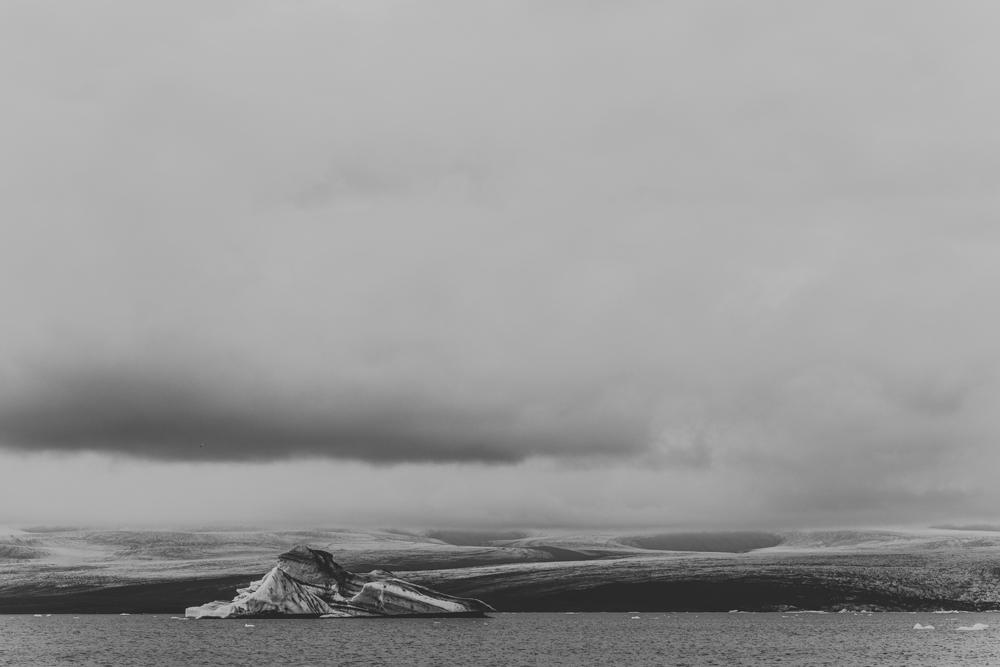
Vestrahorn, Landmannalaugar, Fjaðrárgljúfur, Goðafoss, and Stokksnes each require more deliberate planning but reward photographers with far fewer tourists in the frame. Landmannalaugar's rhyolite mountains produce colors that look digitally enhanced even in unedited RAW files — vivid pinks, greens, and ochres that shift depending on the angle of light. Our team recommends spending at least two days in each of these remote locations to account for weather delays and to explore multiple compositions.
Warning: Fjaðrárgljúfur Canyon periodically closes for vegetation recovery due to heavy foot traffic — always check the official Icelandic road administration site before driving out there.
How to Plan an Iceland Photography Trip Step by Step
Planning a dedicated photography trip differs significantly from a general vacation, and our team follows a specific sequence that maximizes shooting opportunities while minimizing wasted travel days.
- Define the shot list first — identify which of the ten locations align with the portfolio gaps that need filling
- Check seasonal daylight hours, because summer offers near-24-hour light while winter provides only four to five hours of daylight but dramatically better aurora opportunities
- Book accommodation close to the priority locations rather than in Reykjavík, which saves hours of driving each morning
- Rent a 4WD vehicle even if planning to stay on paved roads, because gravel pulloffs and muddy shoulders are common at shooting spots
- Download offline maps and mark GPS coordinates for each location, since cell coverage is spotty outside major towns
- Pack for all four seasons regardless of the calendar month, and include waterproof bags for every piece of electronic equipment
- Build two buffer days into the itinerary for weather delays — our team has never completed an Iceland trip without needing them
Most people benefit from studying the work of photographers who've shot these locations previously, and our team maintains a reference folder of compositions from each spot that serves as both inspiration and a starting point for finding original angles. Those interested in the ethical side of travel photography should also review responsible practices for photographing local communities and protected landscapes.
Troubleshooting Common Iceland Photography Challenges
Even experienced photographers encounter problems unique to Iceland's extreme environment, and our team has documented the most common issues alongside proven solutions.
- Lens fog from temperature shifts — keep the camera in a sealed bag when transitioning from cold to warm environments and allow thirty minutes for equalization
- Wind vibration ruining long exposures — lower the tripod center column completely, hang weight from the hook, and use a two-second shutter delay or remote trigger
- Flat, overcast light producing dull images — switch to intimate landscape compositions, waterfalls, and canyon interiors that benefit from diffused light
- Crowds at popular spots — arrive at least ninety minutes before sunrise or shoot during shoulder seasons when tourist numbers drop significantly
- Battery drain in cold temperatures — carry three fully charged batteries in an inside jacket pocket and rotate them frequently
- Sand and volcanic dust in lens mechanisms — change lenses inside the vehicle and keep the camera bag sealed when not actively shooting
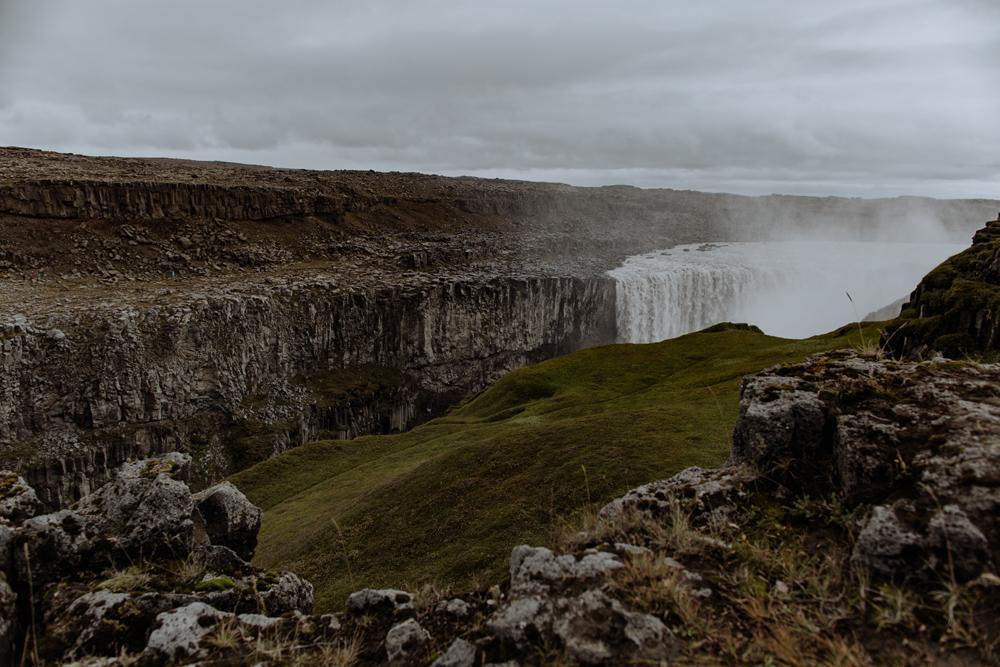
Creative Uses Beyond Traditional Landscapes
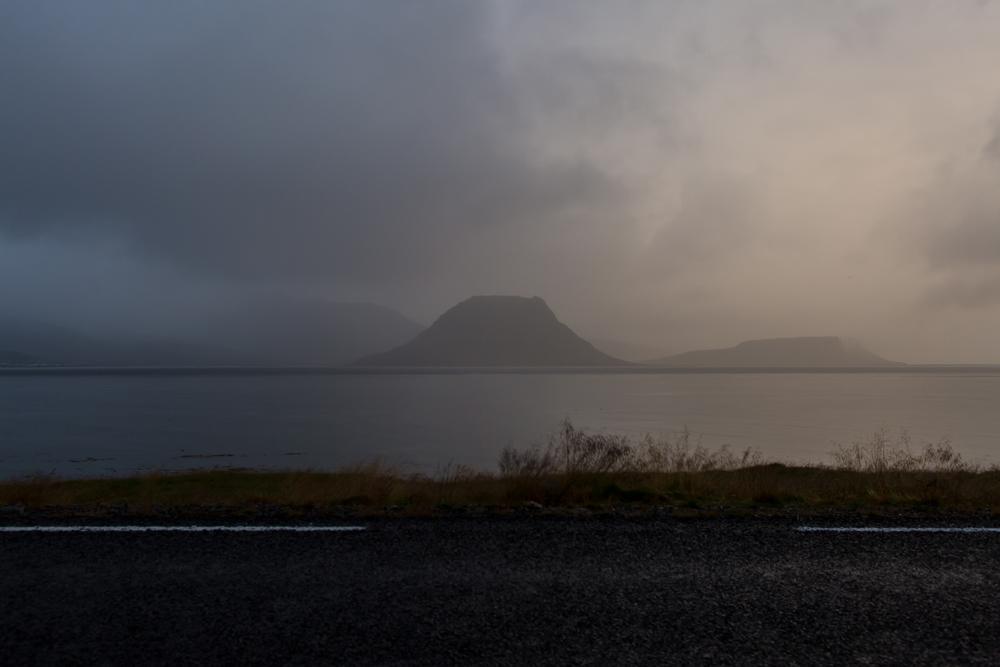
While the best photo locations in Iceland are overwhelmingly associated with landscape work, our team has found enormous creative potential in genres that most visitors overlook entirely. Iceland's dramatic backdrops serve as powerful settings for portrait work, astrophotography, and even abstract macro photography.
- Astrophotography — winter months deliver long, dark nights ideal for aurora and Milky Way shooting, particularly at Stokksnes and Kirkjufell where foreground interest complements the sky
- Portrait and fashion shoots — the stark volcanic terrain and moody skies create editorial-quality backdrops without any styling needed
- Aerial and drone photography — Iceland permits drone use in many areas, though national parks require special authorization
- Macro and abstract — glacial ice textures, geothermal mineral deposits, and moss patterns provide extraordinary detail subjects
- Time-lapse sequences — the constantly shifting weather and extended golden hours produce compelling motion content
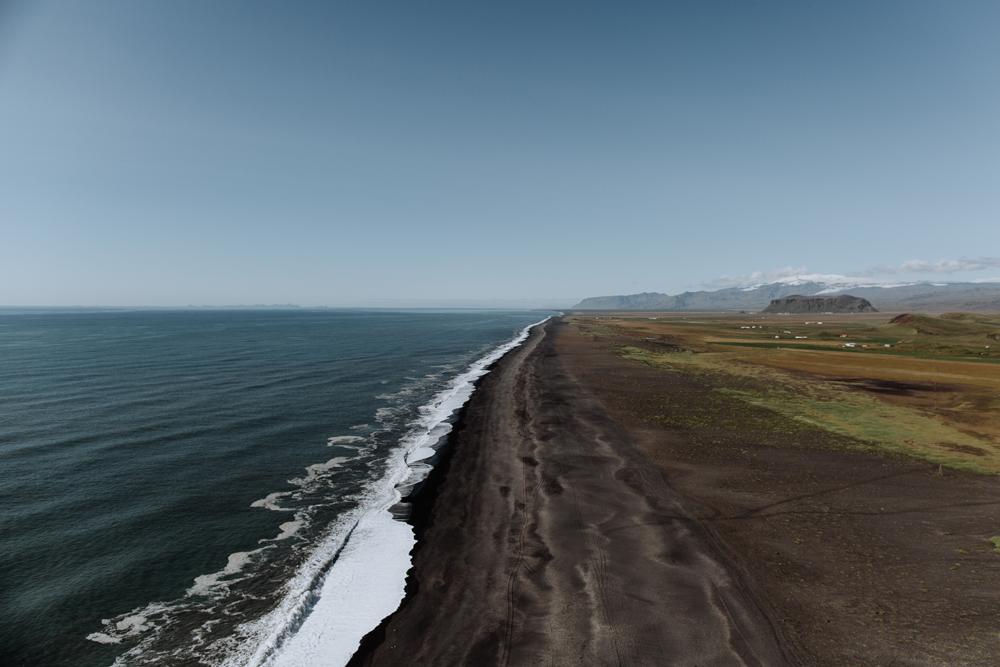
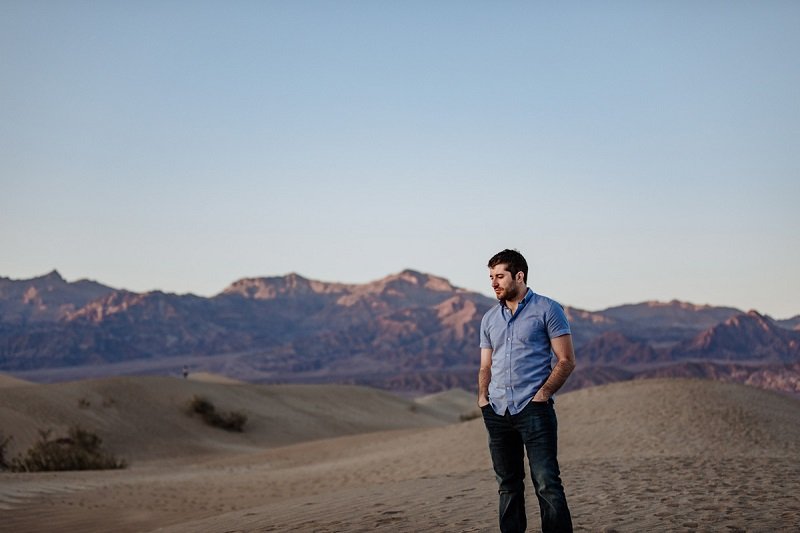
Our team has even witnessed couples booking landscape photography sessions that double as engagement shoots against Iceland's cinematic scenery, which speaks to how versatile these locations truly are.
Iceland's volcanic soil and moss take decades to recover from foot traffic — always stay on marked paths and established shooting positions to preserve the landscapes that make these photos possible.
Frequently Asked Questions
What is the best time of year to photograph Iceland?
Summer (June through August) provides the longest daylight and access to highland locations, while winter (October through March) offers aurora borealis opportunities and dramatic low-angle light — our team recommends aligning the visit with the specific genre of photography being pursued.
How many days are needed to cover the best photo locations in Iceland?
Our team recommends a minimum of ten days for a dedicated photography trip along the Ring Road, with two additional days built in as weather buffers, though two weeks allows for more thorough coverage of remote locations.
Is a drone worth bringing to Iceland?
Absolutely — aerial perspectives add tremendous variety, though pilots must follow Icelandic Transport Authority regulations, avoid flying near airports and bird nesting areas, and secure permits for national park airspace.
What camera gear does our team consider essential for Iceland?
A weather-sealed body, a wide-angle lens (14–24mm range), a mid-range zoom (24–70mm), a sturdy tripod, ND filters, polarizer, rain covers, and at least three spare batteries form the core kit that our team never travels without.
Are guided photography tours worth the investment?
For first-time visitors, guided tours provide invaluable local knowledge about timing, access points, and hidden compositions that would take multiple solo trips to discover — our team used a guide on the first Iceland trip and still benefited from insights gained.
How dangerous is Reynisfjara Black Sand Beach for photographers?
Sneaker waves at Reynisfjara have caused fatalities, so our team always maintains a distance of at least thirty meters from the waterline and never turns away from the ocean while shooting near the surf zone.
Can most people photograph the northern lights with a standard camera?
Any camera capable of manual exposure with a wide-aperture lens (f/2.8 or wider), ISO capability up to 3200, and a shutter speed of 15–25 seconds on a tripod can capture compelling aurora images — a full-frame sensor helps but is not strictly required.
Iceland doesn't reward the photographer who rushes through a checklist — it rewards the one who waits for the light, respects the land, and returns home with ten great images instead of a thousand forgettable ones.
 |
 |
 |
 |

About Alex W.
Alex is a landscape, equine, and pet photographer based in the Lake District, UK, with years of experience shooting in one of Britain's most photographically demanding natural environments. His work has been featured in Take a View Landscape Photographer of the Year, Outdoor Photographer of the Year, and Amateur Photographer Magazine — publications that reflect a serious, competitive standard of image-making. At Click and Learn Photography, he shares the camera settings, gear choices, and compositional techniques he has developed through real-world shooting and competition-level work.
You can Get FREE Gifts. Furthermore, Free Items here. Disable Ad Blocker to receive them all.
Once done, hit anything below
|
|
|
|