A single well-chosen prop increases viewer engagement by up to 30%, according to visual marketing studies — yet most photographers own fewer than five dedicated photography props for every genre they shoot. Whether you're staging a flat lay for a client or adding atmosphere to a portrait session, the right prop transforms a forgettable frame into a portfolio piece. This guide covers 21 props that work across portraits, food, product, landscape, and street photography, giving you a versatile toolkit without cluttering your studio. For a deeper dive into genre-specific recommendations, check out our photography props resource page.

Props don't need to be expensive or elaborate. Some of the most effective ones — a simple mirror, a piece of fabric, a handful of fairy lights — cost less than a coffee. The trick is knowing which props serve your genre and which ones just get in the way.
Below, you'll find a complete breakdown organized by skill level, use case, and budget so you can build a prop kit that actually earns its shelf space.
Contents
Essential Props for Beginners vs. Advanced Photographers
Your skill level determines which props will actually improve your images and which will become expensive dust collectors. Beginners benefit from versatile, forgiving props that work in multiple scenarios. Advanced shooters need specialized tools for specific creative effects.
Starter Props That Deliver Immediate Results
If you're just starting out, these seven props give you the biggest creative leap for the least investment:
- Fairy lights or string lights — Instant bokeh and warmth in portraits, flat lays, and even macro work. Wrap them around a subject or scatter them in the background.
- Colored fabric or scarves — Drape, wrap, or use as a backdrop. A single piece of muslin handles portrait sessions, product shots, and still life compositions.
- A simple picture frame — Hold it up for creative framing, lay it flat for product shots, or use it as a compositional border.
- Fresh flowers or greenery — Universally flattering in portraits, food photography, and lifestyle shoots. Wildflowers from your garden cost nothing.
- A spray bottle — Mist water onto surfaces for that fresh, dewy look in food and product photography. If you're interested in water and weather effects, our winter photography tips cover similar atmospheric techniques.
- Books and magazines — Stack them, open them, scatter them. They add intellectual texture to lifestyle and portrait sessions.
- A reflector or white card — Not glamorous, but filling shadows with a $10 reflector does more for your images than a $200 prop ever will.
Start with props you already own. Raid your kitchen drawers, linen closet, and garage before buying anything — you likely have a dozen usable props right now.
Advanced Props for Specialized Genres
Once you've mastered the basics, genre-specific props let you push into more ambitious territory:
- Prisms and crystal balls — Refracting light through a prism creates rainbow flares and surreal distortions. Crystal balls flip the scene for an otherworldly look.
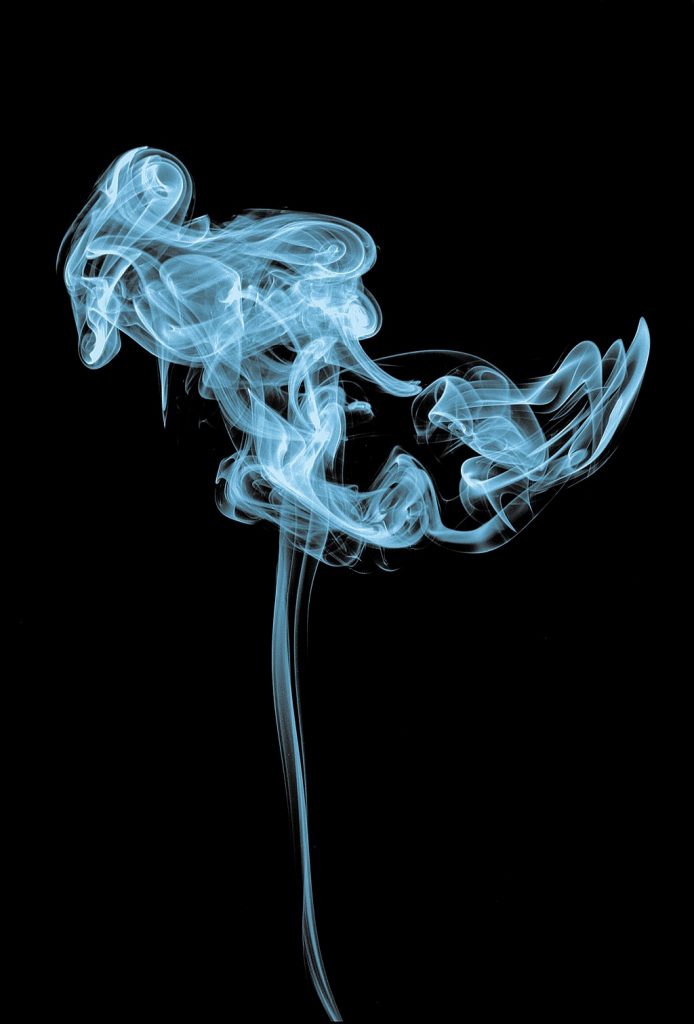
- Smoke machines or smoke bombs — Dramatic atmosphere for portraits and conceptual work. Use outdoors for safety and better diffusion.
- Vintage furniture or chairs — A worn leather chair or antique stool anchors a portrait session with instant character.
- Textured backdrops — Hand-painted canvas, peeling wallpaper samples, or aged wood boards. Essential for food photography setups where the surface is half the story.
- LED light panels or neon tubes — Colored gels are yesterday's solution. Programmable LEDs let you dial in exact hues for portraits and product work.
- Projection screens or gobos — Project patterns onto your subject or background for editorial-quality shadow play.
- Custom-built miniatures — Tiny scenes photographed at macro distance create the illusion of full-scale environments.
Why Props Transform Ordinary Shots Into Portfolio Pieces
Photography props for every genre serve the same fundamental purpose: they give the viewer's eye something to land on beyond the main subject. A prop adds narrative. It suggests a story, a mood, or a time period without a single word of explanation.
The Psychology Behind Visual Anchors
Research from the study of visual perception shows that humans process images by scanning for familiar objects that provide context. A coffee mug in a portrait tells the viewer this person is relaxed, approachable. A tool in a craftsman's hand signals expertise. Props function as visual shorthand that communicates in milliseconds.
This is why generic studio portraits often feel sterile. Without environmental context or props, the viewer has nothing to interpret beyond the subject's expression. Add a single meaningful object and the entire emotional register shifts.
Props That Cross Genre Boundaries
Some props earn permanent spots in your kit because they work everywhere:
- Mirrors — Portraits (reflections, doubling), product shots (floating effect), street photography (perspective tricks), and landscape (foreground interest). One prop, four genres.
- Blankets and throws — Lifestyle portraits, newborn photography, flat lays, picnic-themed editorial. A neutral-toned blanket is endlessly versatile.
- Candles — Warm, directional light source that doubles as a prop. Perfect for moody portraits, food styling, and holiday content. If you enjoy atmospheric indoor shooting, explore more creative photography ideas you can try at home.
- Hats — Fashion, portrait, travel, and street photography. A hat changes a subject's silhouette and adds instant style.
The best prop is the one that tells a story without stealing attention from your subject. If viewers notice the prop before the person, you've overdone it.
When Props Elevate Your Work — and When They Ruin It
Knowing when to use photography props for every genre is just as important as knowing which ones to buy. A well-placed prop adds depth. A poorly chosen one distracts, confuses, or cheapens the entire frame.
Scenarios Where Props Shine
Props work best when they serve the image's purpose rather than fighting it:
- Client branding shoots — Products, tools, or items that represent the client's industry add authenticity and context.
- Seasonal content — Pumpkins in autumn, ornaments in winter, blossoms in spring. Props ground your images in a specific time of year, which is especially useful for travel photography where location context matters.
- Flat lay and product photography — This entire genre depends on props. The supporting cast around your hero product creates mood, scale, and lifestyle association.
- Environmental portraits — Tools of a subject's trade, personal belongings, or hobby-related items tell richer stories than a plain backdrop.
- Conceptual and fine art work — Here, props ARE the subject. Surreal compositions, thematic series, and editorial spreads rely on carefully chosen objects.
When to Leave the Props at Home
There are clear situations where props actively damage your work:
- Documentary and photojournalism — Staging objects in a documentary context destroys credibility. Never add props to real-world reportage.
- Minimalist compositions — If your creative intent is negative space and simplicity, props undermine the entire concept.
- Fast-paced event photography — Weddings, concerts, and sports give you no time to arrange props. Work with what's there.
- Wildlife and nature photography — Placing artificial objects in natural habitats is ethically questionable and visually jarring.
The rule is straightforward: if the prop doesn't serve the story, it serves nothing. Edit ruthlessly. One meaningful prop beats five random objects scattered through the frame.
Building a Prop Collection That Lasts
A prop collection built thoughtfully over time outperforms a frantic shopping spree every time. The goal is a curated set of versatile items — not a storage unit full of things you used once.
Where to Find Props for Free or Cheap
You don't need a dedicated budget to start building your collection:
- Thrift stores and charity shops — Vintage ceramics, aged books, antique frames, and unique fabrics for pennies. Visit regularly since stock rotates weekly.
- Nature — Branches, leaves, stones, feathers, and flowers. Free, seasonal, and endlessly varied.
- Your own home — Kitchen utensils, bedding, glassware, fruit bowls, and personal objects. The best lifestyle props look lived-in because they are.
- Construction skips and salvage yards — Weathered wood, corrugated metal, and industrial textures make exceptional backdrops.
- Online marketplaces — Facebook Marketplace and Craigslist regularly list bulk lots of styled props from photographers upgrading their kits.

Storage and Maintenance Tips
A prop you can't find when you need it is a prop you don't own. Keep your collection organized and accessible:
- Sort props into clear plastic bins labeled by category: fabrics, small objects, lighting modifiers, seasonal items.
- Store delicate items (glass, ceramics, dried flowers) separately with padding.
- Clean fabric props after every shoot — wrinkled, stained fabric reads as lazy, not intentional.
- Photograph your full prop inventory and keep it on your phone. When you're on-site or shopping, you'll know exactly what you have and what gaps to fill.
- Purge annually. If you haven't used a prop in 12 months, donate it. A lean collection forces better creative decisions.
Keep a "prop journal" on your phone — snap a photo of every prop you use on a shoot along with the final image. After six months, you'll see exactly which props earn their keep and which collect dust.
What Photography Props Actually Cost: A Realistic Budget Guide
Understanding what photography props for every genre actually cost helps you plan smart instead of impulse-buying. Below is a breakdown across three budget tiers, covering the 21 props discussed in this guide.
Budget Tiers: Starter to Pro
| Prop Category | Budget Tier ($0–$25) | Mid-Range ($25–$75) | Pro Tier ($75+) |
|---|---|---|---|
| Fairy / String Lights | $5–$12 | $20–$40 (smart LEDs) | $80+ (programmable panels) |
| Fabrics & Scarves | $3–$10 (thrift) | $25–$50 (muslin rolls) | $75–$150 (hand-painted canvas) |
| Reflector / White Card | $8–$15 | $25–$45 (5-in-1) | $80+ (large panel kits) |
| Prisms & Crystal Balls | $10–$20 | $30–$50 (optical grade) | $100+ (custom cut) |
| Smoke Effects | $5–$15 (incense/sticks) | $30–$60 (smoke bombs) | $150+ (fog machine) |
| Textured Backdrops | $0–$15 (salvage wood) | $30–$60 (vinyl rolls) | $100–$300 (hand-painted) |
| LED Neon Tubes | N/A | $40–$70 | $120–$250 (RGB tubes) |
| Mirrors | $5–$15 (thrift) | $20–$40 | $80+ (large/custom) |
| Vintage Furniture | $0–$25 (thrift/salvage) | $40–$75 | $100+ (curated antiques) |
| Flowers & Greenery | $0 (garden/wild) | $15–$30 (market) | $50+ (artificial luxury) |
A complete starter kit covering all 21 props costs between $50 and $150 if you shop smart. The key categories where spending more genuinely improves results are textured backdrops and lighting modifiers — cheap versions look cheap on camera.
The Return on a Smart Prop Investment
Props pay for themselves faster than almost any other photography purchase. Consider the math:
- A $200 prop kit used across 50 shoots costs $4 per session — far less than a single lens rental.
- Styled portfolio images command higher rates. Photographers with prop-enhanced portfolios report 15–25% higher booking rates for commercial work.
- Versatile props reduce your dependency on expensive locations. A textured backdrop and good lighting can simulate environments that would otherwise require travel or studio rental.
The smartest investment path: spend heavily on surfaces and light modifiers, go cheap on small accent props. A hand-painted backdrop at $150 will appear in hundreds of images. A $3 thrift store vase does the exact same job as a $40 retail one.
Frequently Asked Questions
What are the most versatile photography props for beginners?
Fairy lights, a 5-in-1 reflector, neutral-toned fabric, and a spray bottle give you the widest range of creative options across portraits, food, product, and lifestyle photography. These four props cover roughly 80% of common prop use cases and cost under $40 total. Start here before investing in genre-specific items.
How do you choose props that match a specific photography genre?
Match the prop to the story you're telling. Food photography needs textured surfaces and utensils. Portraits benefit from personal items or objects that reflect the subject's personality. Product photography uses complementary lifestyle items that suggest how the product fits into daily life. The prop should reinforce the genre's visual language, never contradict it.
Can photography props look unprofessional if used incorrectly?
Yes. Overcrowding the frame, using props that clash with your color palette, or including objects with no narrative connection to the subject all look amateurish. The fix is simple: add one prop at a time and evaluate each addition through the viewfinder. If removing a prop doesn't weaken the image, it shouldn't be there.
The prop that makes the biggest difference isn't the most expensive one — it's the one that makes your viewer feel something the bare scene never could.
 |
 |
 |
 |

About Alex W.
Alex is a landscape, equine, and pet photographer based in the Lake District, UK, with years of experience shooting in one of Britain's most photographically demanding natural environments. His work has been featured in Take a View Landscape Photographer of the Year, Outdoor Photographer of the Year, and Amateur Photographer Magazine — publications that reflect a serious, competitive standard of image-making. At Click and Learn Photography, he shares the camera settings, gear choices, and compositional techniques he has developed through real-world shooting and competition-level work.
You can Get FREE Gifts. Furthermore, Free Items here. Disable Ad Blocker to receive them all.
Once done, hit anything below
|
|
|
|