Over 1.4 billion people cross international borders every year, and a growing number of them carry cameras with serious intent. If you're searching for the best travel photography destinations, you're joining a community of photographers who understand that the right location can transform a good portfolio into an extraordinary one. Whether you've been shooting for a decade or you're just getting started, choosing where to point your lens matters as much as the gear in your bag. Check out our ultimate guides for more in-depth photography resources to pair with your next trip.
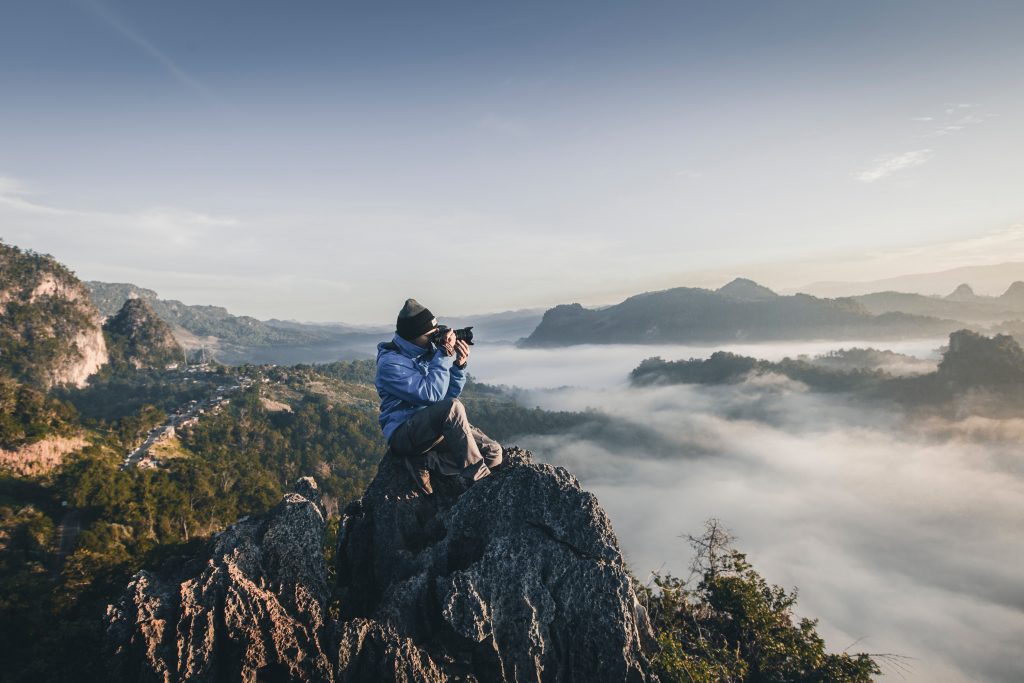
The destinations on this list span six continents and cover everything from ancient temples to volcanic landscapes. Each one earns its place because of the photographic opportunities it offers — unique light, dramatic terrain, cultural depth, and accessibility for photographers at different budget levels.
You don't need to visit all eight at once. The smartest approach is to match destinations to your current skill level, your budget, and the type of photography you want to improve. Let's break down exactly how to do that.
Contents
What It Actually Costs to Photograph These Destinations
Budget is the first filter most photographers apply when choosing a destination, and rightly so. The best travel photography destinations range from surprisingly affordable to genuinely expensive. Understanding the cost breakdown helps you plan trips that deliver the strongest images per dollar spent.
Destination-by-Destination Budget Breakdown
Here's a realistic daily budget for a photographer at each of the eight destinations, covering accommodation, food, local transport, and location access fees:
| Destination | Daily Budget (Economy) | Daily Budget (Mid-Range) | Best Season for Light | Permit Required? |
|---|---|---|---|---|
| Iceland | $120–$160 | $220–$300 | Jun–Aug / Sep–Mar (aurora) | No |
| Kyoto, Japan | $70–$100 | $150–$220 | Mar–Apr / Oct–Nov | Some temples |
| Patagonia | $60–$90 | $130–$180 | Nov–Mar | Park fees |
| Morocco | $35–$55 | $80–$120 | Mar–May / Sep–Nov | No |
| Cuba | $40–$60 | $90–$130 | Nov–Apr | Tourist visa |
| Santorini, Greece | $80–$110 | $160–$250 | Apr–Jun / Sep–Oct | No |
| Rajasthan, India | $25–$40 | $60–$100 | Oct–Mar | Fort/palace fees |
| New Zealand | $90–$130 | $180–$260 | Dec–Feb / Jun–Aug (snow) | Some conservation areas |
Rajasthan and Morocco give you the best value. You can shoot for two full weeks on the budget of a single week in Iceland. But Iceland's landscapes are so distinctive that many photographers consider it worth the premium — there's a reason it consistently ranks among the best travel photography destinations worldwide.
Cutting Costs Without Cutting Quality
You can reduce your per-day costs significantly with a few smart choices:
- Travel in shoulder season — fewer crowds, softer light, and lower prices
- Use guesthouses and homestays instead of hotels (especially in Morocco and Rajasthan)
- Rent a vehicle with a partner to split fuel costs in Iceland and New Zealand
- Carry your own meals for early morning and late evening shoots when restaurants are closed
- Skip guided tours for locations you've already researched
The biggest money-saver is also the best creative decision: stay longer in fewer places. Rushing between destinations burns cash on transport and gives you shallow, clichéd shots. Two weeks in one region always beats one week split across three.
Building a Travel Photography Portfolio That Lasts
A strong travel photography portfolio isn't a random collection of pretty sunsets. It's a deliberate body of work that shows your vision, your technical skill, and your ability to tell stories across cultures and landscapes.
Shooting for Timelessness
The destinations on this list all share one quality: they resist dating. A photograph of Patagonia's Torres del Paine or Kyoto's bamboo groves holds its power regardless of when it was taken. That's not accidental — the best travel photography destinations offer subjects that transcend trends.
To make your images truly timeless:
- Avoid including recognizable modern technology (phones, branded clothing) in cultural shots
- Shoot during golden hour and blue hour for light that feels universal
- Focus on human moments — a craftsman's hands, a child's expression — that connect across generations
- Learn to practice ethical travel photography so your work respects the communities you photograph
The Series Approach
Rather than collecting individual hero shots, build each trip around a cohesive series. Pick a theme before you go — doorways of Morocco, fishermen of Rajasthan, volcanic textures of Iceland — and shoot it obsessively. A series of 12–15 tightly connected images will get you further with galleries, publications, and your own creative growth than 200 scattered frames.
Document your process as you go. Keep notes about locations, times of day, and what drew you to each scene. This metadata becomes invaluable when you're building out your portfolio later or pitching stories to editors.
Best Travel Photography Destinations for Every Skill Level
Not every destination suits every photographer. Some locations reward technical precision. Others offer so much visual richness that strong compositions almost find themselves. Knowing which destinations match your current abilities helps you grow faster and come home with better work.
Where to Start as a Beginner
If you're still building fundamental skills, choose destinations that are visually generous and logistically simple:
- Santorini, Greece — The white-and-blue architecture creates striking contrast in almost any light. You can practice composition without fighting difficult exposure situations. Explore more stunning photo locations across Greece once you've built your confidence.
- Cuba — Vibrant colors everywhere you look. Classic cars, colonial architecture, and friendly locals make street photography approachable even for newcomers.
- Kyoto, Japan — Clean, orderly scenes that teach you the value of simplicity and negative space. The gardens are practically composition textbooks.
These locations forgive minor technical errors. Slightly off exposure? The bold colors compensate. Composition not quite perfect? The subjects are strong enough to carry the frame. You'll learn faster because you'll have more usable results to review and build on.
Destinations That Push Advanced Photographers
Once you've mastered the fundamentals, seek out locations that demand more from you:
- Iceland — Extreme dynamic range, rapidly shifting weather, and vast scale require confident exposure control and strong compositional instincts. Our guide to must-visit photo locations in Iceland covers specific spots worth prioritizing.
- Patagonia — Wind, cold, and remote access points mean you need physical endurance alongside photographic skill. The light changes by the minute.
- Rajasthan, India — Sensory overload. Crowded streets, complex scenes, and challenging light conditions force you to shoot decisively and edit ruthlessly.
Advanced destinations don't just test your camera skills. They test your patience, your planning, and your ability to adapt when conditions turn against you. That's exactly why they produce the most rewarding images.
The Rewards and Realities of Travel Photography
Travel photography looks glamorous from the outside. The reality involves 4 AM alarms, heavy bags, and a lot of walking in uncomfortable conditions. Understanding both sides helps you set honest expectations and prepare properly.
What You Gain
The rewards go well beyond pretty pictures. Travel photography sharpens every aspect of your craft because it strips away your comfort zone. You can't rely on familiar locations or controlled lighting. Every day presents new problems that force creative solutions.
Specifically, regular travel photography improves your:
- Speed — you learn to see and shoot faster in unfamiliar environments
- Adaptability — you handle changing light and weather without panic
- Storytelling — you develop a narrative eye that strengthens all your other work
- Cultural awareness — you build sensitivity that shows in more authentic, respectful images
According to UNESCO and travel photography historians, the genre has driven both tourism economies and cultural preservation efforts for over a century. Your work participates in that tradition.
What You Need to Prepare For
Every destination on this list comes with practical challenges you should plan around:
- Gear risk — dust in Morocco, humidity in Cuba, salt spray in Patagonia. Carry protective covers and clean your sensors daily.
- Physical demands — New Zealand and Iceland involve significant hiking. Get fit before you go.
- Cultural sensitivity — in Rajasthan and Morocco, always ask permission before photographing people. Some locations prohibit photography entirely.
- Data management — shoot RAW and carry enough storage. Running out of card space at Torres del Paine is a mistake you only make once.
- Connectivity — several of these destinations have limited or expensive internet access. Plan your cloud backups around town stops, not continuous uploads.
Proven Techniques for Stronger Travel Photos
Great destinations give you the raw material. Technique turns that material into images people remember. These approaches apply regardless of which destination you choose from this list.
Composition in the Field
The biggest difference between a snapshot and a photograph is intentional composition. In travel situations, you rarely have time to set up a tripod and deliberate for ten minutes. You need instinctive compositional habits that fire automatically.
Train these habits before your trip:
- Lead the viewer's eye through the frame using roads, rivers, walls, or shadows
- Include foreground interest in every landscape — a rock, a flower, a texture
- Shoot the same subject from at least three different angles before moving on
- Use frames within frames — doorways, arches, windows — especially in Morocco and Cuba
- When shooting people, wait for the moment between poses when expressions become genuine
For a deeper dive into the technical side of travel shooting, our 10 travel photography tips guide covers camera settings and practical workflows you can apply in the field.
Post-Processing for Travel Work
Your editing workflow should enhance what's already in the frame, not manufacture a scene that didn't exist. Travel photography audiences value authenticity. Heavy-handed processing undermines the trust your images build with viewers.
Keep your post-processing disciplined:
- Correct white balance first — travel lighting varies wildly and auto WB often fails
- Bring up shadows and pull down highlights to recover dynamic range from harsh midday light
- Apply lens corrections to eliminate distortion, especially in architectural shots from Santorini and Kyoto
- Use local adjustments sparingly — a graduated filter for skies, a radial filter for a face, nothing more
- Develop a consistent editing style across each series so your portfolio feels cohesive
Batch processing saves enormous time when you're working through hundreds of travel frames. Develop your edit on one strong image, sync the settings across similar shots, then fine-tune the best ones individually.
Frequently Asked Questions
What are the best travel photography destinations for a first international trip?
Santorini and Cuba are excellent first destinations. Both offer strong visual subjects in compact, walkable areas with relatively straightforward logistics. You won't spend half your trip navigating transport — you'll spend it shooting.
How much gear should I pack for a travel photography trip?
Bring one camera body, two lenses (a wide-angle and a mid-range zoom), spare batteries, and enough memory cards for the entire trip. A lightweight travel tripod is worth the weight for golden hour and night shoots. Leave the rest at home.
Do I need travel insurance that covers camera equipment?
Yes. Standard travel insurance rarely covers high-value electronics. Look for policies that specifically list camera gear coverage, or add a rider to your existing homeowner's or renter's policy. Carry receipts and serial numbers for every piece of equipment.
What's the best time of year to visit Iceland for photography?
It depends on what you want to shoot. Summer (June–August) gives you nearly 24 hours of daylight and access to highland roads. Winter (September–March) offers the Northern Lights and dramatic low-angle light, but many roads close and daylight is limited to a few hours.
How do I photograph people respectfully in countries like India and Morocco?
Always ask permission first, even if it means using gestures when you don't share a language. Show people the photo on your screen afterward. In some cultures, offering a small tip is expected and appropriate. Never photograph children without a parent's clear consent.
Should I shoot RAW or JPEG when traveling?
Shoot RAW exclusively. Travel lighting is unpredictable, and RAW files give you the latitude to recover highlights and shadows that JPEG compression destroys. The extra storage cost is negligible compared to losing a once-in-a-lifetime shot to a blown-out sky.
Can I sell my travel photos to stock agencies or magazines?
You can, but be aware of model release and property release requirements. Photos of recognizable people require a signed model release for commercial use. Iconic landmarks in some countries have restrictions on commercial photography. Research the legal requirements for each destination before you go.
Key Takeaways
- The best travel photography destinations span every budget — Rajasthan and Morocco deliver stunning results for under $55 a day, while Iceland and New Zealand reward photographers willing to invest more.
- Match destinations to your skill level: beginners thrive in visually generous locations like Santorini and Cuba, while advanced shooters grow fastest in demanding environments like Patagonia and Iceland.
- Build cohesive series rather than collecting isolated shots — a tight set of 12–15 connected images from one location will strengthen your portfolio more than hundreds of scattered frames from five countries.
- Invest time in ethical practices, cultural sensitivity, and pre-trip planning — the work you do before picking up your camera determines the quality of what you bring home.
 |
 |
 |
 |

About Alex W.
Alex is a landscape, equine, and pet photographer based in the Lake District, UK, with years of experience shooting in one of Britain's most photographically demanding natural environments. His work has been featured in Take a View Landscape Photographer of the Year, Outdoor Photographer of the Year, and Amateur Photographer Magazine — publications that reflect a serious, competitive standard of image-making. At Click and Learn Photography, he shares the camera settings, gear choices, and compositional techniques he has developed through real-world shooting and competition-level work.
You can Get FREE Gifts. Furthermore, Free Items here. Disable Ad Blocker to receive them all.
Once done, hit anything below
|
|
|
|