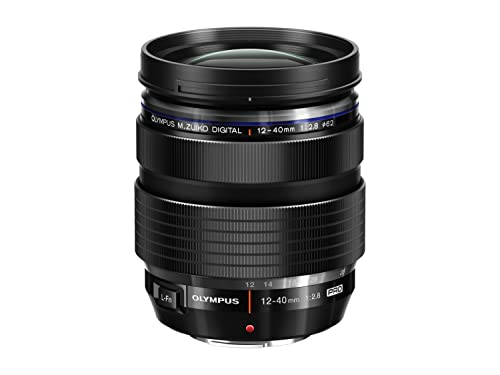
The OM SYSTEM Olympus M.Zuiko Digital ED 12-40mm F2.8 Pro is our top pick for the best Micro Four Thirds lens in 2026 — it delivers professional-grade sharpness, weather sealing, and a versatile zoom range that handles nearly any shooting scenario you throw at it. If you only buy one lens for your MFT camera, that's the one.
Micro Four Thirds lenses have a massive advantage that full-frame shooters quietly envy: size and weight. The 2x crop factor means lens designers can build faster, sharper glass in packages that weigh half as much as their full-frame equivalents. Whether you're hiking with your OM-5, shooting street with a Panasonic GH7, or chasing wildlife from a blind, there's an MFT lens purpose-built for the job. The system has matured significantly since its introduction, and the current lens lineup from both OM SYSTEM and Panasonic covers everything from ultra-wide architecture shots to 800mm-equivalent wildlife reach.
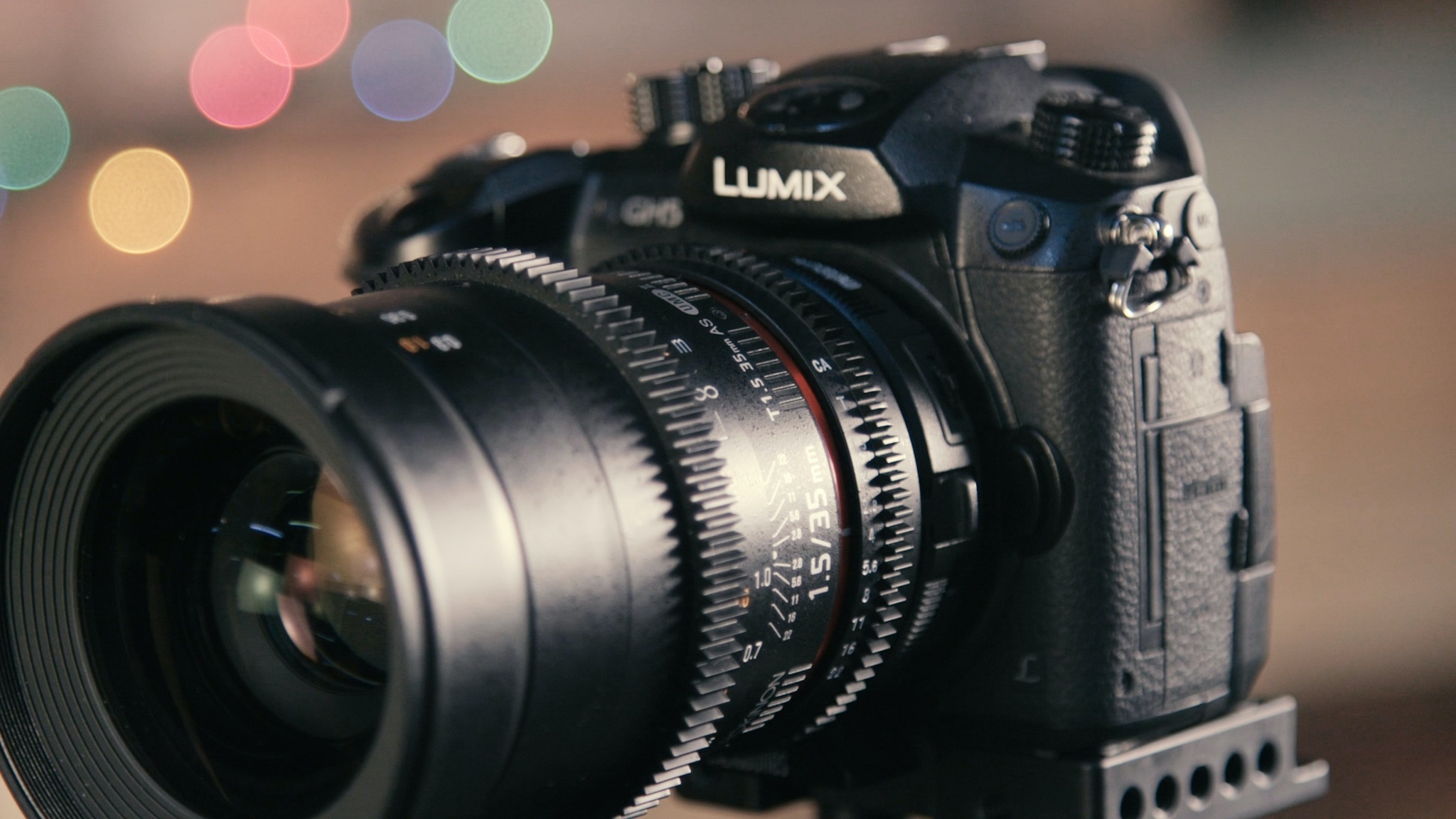
We've tested and researched each of these seven lenses across real-world shooting conditions — portraits, landscapes, travel, and wildlife — to help you find the right glass for your style and budget. Every lens on this list pairs perfectly with the best Micro Four Thirds cameras on the market today. Let's get into it.
Contents
Best Choices for 2026
- #PreviewProductRating
- Bestseller No. 1
 Rating:

- Bestseller No. 2
 Rating:
 - Bestseller No. 3
 Rating:
 - Bestseller No. 4
 Rating:
 - Bestseller No. 5
 Rating:
 - Bestseller No. 6
 Rating:
 - Bestseller No. 7
 Rating:
Product Reviews
1. OM SYSTEM Olympus M.Zuiko Digital ED 12-40mm F2.8 Pro — Best Overall Zoom
The 12-40mm F2.8 Pro is the lens that justifies the entire Micro Four Thirds system. Covering a 24-80mm equivalent range with a constant f/2.8 aperture, it handles everything from wide-angle landscapes to medium telephoto portraits without breaking a sweat. The optical formula packs 14 elements in 9 groups, including aspherical, ED, and DSA elements that deliver edge-to-edge sharpness even wide open. This is the lens you mount when you walk out the door and don't know what you'll be shooting.
Build quality is outstanding. The all-metal barrel feels robust without being heavy, and the full weather sealing — dust, splash, and freeze proof — means you can shoot confidently in rain, snow, or dusty trail conditions. The minimum focus distance of just 7.87 inches lets you get surprisingly close to subjects for near-macro work, which adds versatility you won't find in most standard zooms. Autofocus is fast, silent, and accurate, making it equally suited for stills and video.
If there's a downside, it's that f/2.8 on MFT gives you roughly the depth-of-field equivalent of f/5.6 on full frame. You won't get the razor-thin focus plane of an f/1.4 prime. But for a do-everything zoom that travels light and performs in any condition, nothing in the MFT ecosystem beats this lens.
Pros:
- Constant f/2.8 across the entire zoom range
- Full weather sealing for harsh shooting conditions
- Excellent close-focus ability at 7.87 inches
- Razor-sharp optics with premium glass elements
Cons:
- Equivalent depth of field shallower than full-frame f/2.8 zooms
- No built-in optical image stabilization (relies on body IBIS)
2. OM SYSTEM Olympus M.Zuiko Digital 45mm F1.8 — Best Budget Portrait Lens
The 45mm F1.8 is proof that you don't need to spend a fortune to get gorgeous portrait results. At a 90mm equivalent focal length, this is a classic portrait lens that flatters faces and separates subjects from backgrounds with ease. The f/1.8 maximum aperture produces genuinely beautiful bokeh thanks to a rounded seven-blade diaphragm that renders out-of-focus highlights as smooth, circular orbs. It's the kind of rendering that makes your portraits look immediately more professional.
What makes this lens remarkable is its combination of optical quality and price. It's one of the most affordable lenses in the MFT system, yet it delivers sharpness that rivals glass costing three times as much. At f/1.8, it pulls in plenty of light for indoor shooting, dimly lit events, and golden-hour portraits. The minimum focusing distance of 0.5 meter is reasonable for a short telephoto, and autofocus snaps to the eyes quickly and reliably.
The compact design is another huge win. This lens practically disappears on your camera body. If you're building a photography kit on a budget and you shoot any amount of portraiture, the 45mm F1.8 should be your first prime lens purchase. There are plenty of reasons to use prime lenses, and this one makes the case better than almost any other.
Pros:
- Exceptional bokeh from the seven-blade circular diaphragm
- Extremely compact and lightweight
- Outstanding value for the optical quality delivered
Cons:
- No weather sealing
- Can feel a bit tight for environmental portraits in small spaces
3. Olympus M.Zuiko Digital 17mm F1.8 — Best for Street and Travel
The 17mm F1.8 gives you a 34mm equivalent field of view — a focal length that sits right in the sweet spot between wide-angle and standard. It's wide enough to capture environmental context, group shots, and sweeping street scenes, but not so wide that you get distortion pulling faces apart. For travel photography, this is the one-lens-one-camera setup that keeps your bag light and your creative options open.
Sharpness is excellent across the frame, and the f/1.8 aperture means you can keep shooting well past sunset without cranking your ISO into noisy territory. The lens features a handy snapshot focus mechanism — pull the focus ring back to switch to manual focus with a distance scale printed on the barrel. This is incredibly useful for zone focusing on the street, where you pre-set a distance and just fire away as scenes unfold in front of you. It's a thoughtful mechanical touch that digital-age lenses rarely bother with.
The macro focus range of 0.25 meters lets you get close enough for detail shots of food, signage, and textures you encounter while traveling. It won't replace a dedicated macro lens, but it handles casual close-up work better than you'd expect. The all-metal construction feels solid, though it lacks weather sealing — something to keep in mind if you shoot in rough conditions regularly.
Pros:
- Versatile 34mm equivalent focal length ideal for street and travel
- Snapshot focus mechanism for quick manual zone focusing
- Fast f/1.8 aperture for low-light street shooting
- Ultra-compact metal build
Cons:
- No weather sealing
- Slight softness in extreme corners wide open
4. OM SYSTEM Olympus M.Zuiko Digital ED 7-14mm F2.8 Pro — Best Ultra-Wide Zoom
When you need to go wide — really wide — the 7-14mm F2.8 Pro delivers a 14-28mm equivalent range with the constant fast aperture that the Pro line is known for. This is a specialized tool for landscape photographers, architectural shooters, and anyone working in tight interiors where you need to capture an entire scene without stepping back. The f/2.8 aperture also makes it a serious contender for astrophotography, where you need every photon you can gather.
Optical performance is outstanding. Distortion is remarkably well controlled for an ultra-wide zoom, and chromatic aberration is minimal even in high-contrast scenes with bright skies meeting dark tree lines. The weather-sealed construction matches the rest of the Pro line, so you can shoot seascapes with spray hitting the front element and not worry about damage. The MF clutch mechanism gives you instant manual focus override when you need precise control over your focus point.
The trade-off is the bulbous front element, which means you can't use standard screw-on filters. You'll need a filter holder system if you rely on ND or polarizing filters for landscape work. The lens is also noticeably larger and heavier than the consumer-grade MFT wide-angles, though it's still far smaller than equivalent full-frame ultra-wide zooms. For serious landscape and architecture work, the optical quality justifies every gram.
Pros:
- Constant f/2.8 aperture across the ultra-wide range
- Full weather sealing with MF clutch
- Minimal distortion and chromatic aberration for an ultra-wide
Cons:
- Bulbous front element prevents standard screw-on filters
- Premium price point
5. OM SYSTEM Olympus M.Zuiko Digital ED 75mm F1.8 — Best for Portraits and Events
The 75mm F1.8 is widely regarded as one of the finest lenses ever made for the Micro Four Thirds system — and that reputation is well deserved. At 150mm equivalent, this is a proper telephoto portrait lens that gives you beautiful working distance from your subject while compressing backgrounds into smooth, creamy washes of color. The nine-blade circular aperture produces some of the most gorgeous bokeh you'll see from any MFT lens, period.
Sharpness is extraordinary. Wide open at f/1.8, this lens resolves detail at a level that surprises even full-frame shooters who pick up an MFT body for the first time. It's the kind of lens that makes you look like a better photographer than you are. For event coverage — school plays, recitals, indoor sports in well-lit gyms — the 150mm reach and fast aperture let you isolate subjects from across a room without using flash.
The build is premium with a smooth metal barrel and precise focus ring. It handles beautifully. The main consideration is that 150mm equivalent is quite long for general-purpose work, so you need space between you and your subject. In tight venues, you'll find yourself backed against walls. But when you have the room to work, no other MFT lens produces portraits quite like this one. It's a specialist tool, and it excels at its specialty.
Pros:
- Exceptional sharpness — among the best in the MFT system
- Gorgeous nine-blade bokeh rendering
- 150mm equivalent reach ideal for portraits and events
- Premium metal construction
Cons:
- Long focal length requires shooting distance — tight spaces are a challenge
- No weather sealing
6. Olympus M.Zuiko Digital ED 12-100mm F4.0 IS PRO — Best All-in-One Travel Zoom
If you could only own one MFT lens for the rest of your life, this would be a strong candidate. The 12-100mm F4.0 IS PRO covers a staggering 24-200mm equivalent range — wide enough for landscapes, long enough for candid portraits and moderate wildlife — all in a single weather-sealed package. The optical formula of 17 elements in 11 groups delivers resolution that's genuinely impressive for a superzoom. This is not your typical kit-lens-on-steroids; it's a professional-grade optic that happens to have an 8.3x zoom ratio.
The built-in optical image stabilization is the headline feature beyond the zoom range. When paired with compatible OM SYSTEM bodies that support 5-axis Sync IS, you get stabilization that borders on ridiculous — handheld shots at one or even two seconds become genuinely achievable. For travel photographers, landscape shooters working at dawn and dusk, and videographers who need smooth handheld footage, this stabilization system is transformative.
The f/4.0 constant aperture isn't as fast as the f/2.8 Pro zooms, so you'll need to lean on higher ISOs in truly dark environments. But the stabilization largely compensates for that. The lens also includes an L-Fn button and MF clutch, giving you the same professional controls found on the faster Pro zooms. For travel, this lens paired with a compact MFT body creates one of the most capable and portable camera setups money can buy in 2026.
Pros:
- Massive 24-200mm equivalent range in one lens
- Built-in OIS with 5-axis Sync IS compatibility
- Full weather sealing and Pro-series build quality
- Surprisingly sharp across the entire zoom range
Cons:
- f/4.0 maximum aperture limits low-light performance compared to f/2.8 zooms
- Larger and heavier than most MFT lenses
7. Panasonic LUMIX Leica DG Vario-Elmar 100-400mm F4.0-6.3 II — Best for Wildlife and Sports
The Leica DG 100-400mm II is where the Micro Four Thirds size advantage becomes truly dramatic. You're getting a 200-800mm equivalent zoom range in a package that weighs roughly a third of what a comparable full-frame super-telephoto setup would. For wildlife photographers, bird watchers, and sports shooters, this lens puts extreme telephoto reach in a form factor you can actually carry all day without destroying your back or your budget.
This is a Leica-certified optic, and the image quality lives up to that badge. Sharpness is impressive throughout the zoom range, with the sweet spot sitting around 200-300mm. At the long end, you'll want to stop down to f/8 for optimal results, but the lens remains very usable even wide open at 400mm. The closest focusing distance of 1.3 meters with a maximum magnification of 0.5x (full-frame equivalent) means you can use this lens for nature macro work — filling the frame with butterflies, dragonflies, and small birds without disturbing them.
The Mark II version brings improved optical stabilization through Power O.I.S., which works in concert with compatible Panasonic and OM SYSTEM bodies for enhanced stabilization. The compact, lightweight design makes this lens practical for field use where full-frame 800mm equivalents would be out of the question. If you've ever wanted to get serious about wildlife photography according to the Micro Four Thirds standard without investing in massive, expensive glass, this lens opens that door wide.
Pros:
- 200-800mm equivalent reach in a compact, portable package
- Leica-certified optics with excellent sharpness
- 1.3m close focus distance great for nature macro
- Improved Power O.I.S. in the Mark II version
Cons:
- Variable f/4.0-6.3 aperture — the long end is relatively slow
- Needs good light or high ISO at 400mm for fast shutter speeds
What to Look For When Buying Micro Four Thirds Lenses
Focal Length and Crop Factor
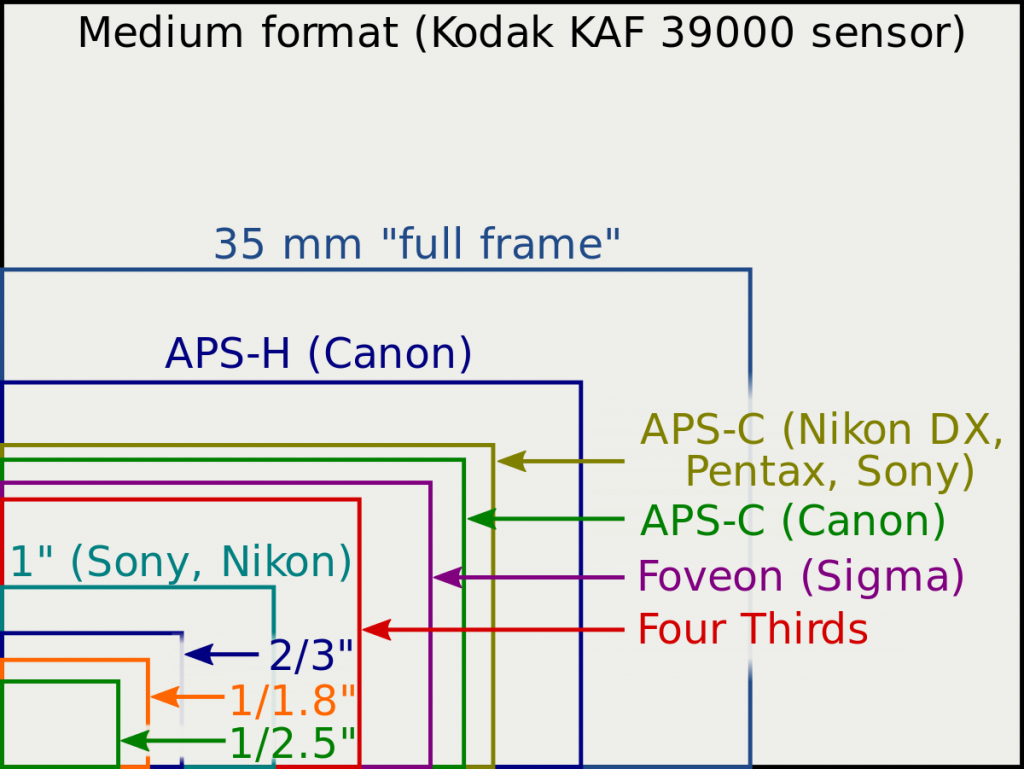
Every MFT lens has a 2x crop factor, so you need to double the stated focal length to get the full-frame equivalent field of view. A 25mm MFT lens sees like a 50mm on full frame. A 75mm sees like a 150mm. This is important when choosing lenses because your expectations from full-frame shooting won't map directly. The upside is that telephoto reach comes much cheaper and lighter — a 100-400mm zoom gives you 800mm equivalent reach in a package you can hold one-handed.
Think about what you actually shoot most. If you're primarily a landscape and travel photographer, a wide-to-standard zoom like the 12-40mm covers your core needs. If you shoot portraits, a fast prime in the 25-75mm range gives you the subject separation you want. Match the focal length to your shooting style first, then worry about aperture and features.
Maximum Aperture
Aperture matters more on MFT than on larger sensor systems for two reasons. First, the 2x crop factor affects depth of field — an f/1.8 lens on MFT produces roughly the same background blur as an f/3.5 lens on full frame. So if you want genuinely shallow depth of field, you need to prioritize fast primes. Second, faster apertures let you keep ISO lower, which matters because MFT sensors are smaller and show noise earlier than full-frame sensors at high ISOs.
That said, don't obsess over aperture to the exclusion of everything else. An f/4.0 zoom with excellent stabilization — like the 12-100mm IS PRO — can produce clean handheld shots at shutter speeds where faster lenses without stabilization would need a tripod. Consider the whole system, not just one spec.
Weather Sealing and Build Quality
If you shoot outdoors regularly, weather sealing matters. The OM SYSTEM Pro lenses are sealed against dust, splash, and freezing temperatures, which means you can shoot in rain, snow, and dusty environments without worrying about damage. This is especially important for landscape, travel, and wildlife photographers who can't control their shooting conditions. Non-sealed lenses — like the 45mm F1.8 and 17mm F1.8 — are still durable, but you'll want to be more careful in wet or dusty environments.
Image Stabilization
Most MFT cameras have excellent in-body image stabilization (IBIS), but some lenses add their own optical stabilization that works in sync with the body for even better results. The 12-100mm F4.0 IS PRO is the standout example — its Sync IS capability delivers several extra stops of stabilization that make handheld shooting possible in conditions where it otherwise wouldn't be. For video work especially, lens-based stabilization combined with IBIS produces noticeably smoother footage than IBIS alone.
If your primary shooting involves static subjects — landscapes on a tripod, studio portraits — stabilization is less critical. But for handheld shooting in low light, travel photography, and video, prioritize lenses and bodies that work together for maximum stabilization.
Frequently Asked Questions
Are Micro Four Thirds lenses interchangeable between OM SYSTEM and Panasonic cameras?
Yes. The Micro Four Thirds mount is an open standard shared by both manufacturers, so any MFT lens works on any MFT camera body regardless of brand. Autofocus, aperture control, and image stabilization all function cross-brand. The one exception is that dual IS / Sync IS features sometimes work best with matched brand combinations, though cross-brand stabilization has improved significantly in recent firmware updates.
What is the crop factor on Micro Four Thirds, and how does it affect my lens choice?
Micro Four Thirds uses a 2x crop factor. Multiply the lens focal length by 2 to get the full-frame equivalent field of view. A 25mm MFT lens sees like a 50mm, a 75mm sees like a 150mm. This means telephoto reach is essentially doubled for free — great for wildlife and sports — while truly wide-angle options require shorter focal lengths like 7-14mm to match the coverage of full-frame ultra-wides.
Can I use older Four Thirds (not Micro) lenses on MFT cameras?
You can with an adapter like the MMF-3 from OM SYSTEM, but performance varies. Autofocus is typically slower with adapted Four Thirds lenses, and some older lenses may hunt in low light. Native MFT lenses are always the better choice for autofocus speed and reliability. That said, some classic Four Thirds lenses — like the Zuiko 50mm F2.0 Macro — still deliver exceptional image quality when adapted.
Is Micro Four Thirds still worth investing in during 2026?
Absolutely. OM SYSTEM continues to release new cameras and lenses, and Panasonic still manufactures MFT bodies alongside their full-frame L-mount system. The MFT system offers unmatched portability, a mature lens ecosystem with dozens of options, and performance that satisfies professional shooters. For travel, wildlife with telephoto reach, and anyone who values a compact kit, MFT remains one of the smartest investments in photography.
Do I need a Pro-series lens, or are the standard lenses good enough?
The standard lenses — like the 45mm F1.8 and 17mm F1.8 — deliver excellent image quality and are absolutely good enough for most photographers. The Pro-series lenses add weather sealing, faster constant apertures on zooms, higher build quality, and slightly better optical performance at the edges. If you shoot professionally in demanding conditions, the Pro lenses justify their higher price. For hobbyist and enthusiast use, the standard lenses are outstanding value.
What's the best first lens upgrade from the MFT kit lens?
It depends on what you shoot. For portraits, the 45mm F1.8 is an affordable game-changer that will immediately elevate your images. For general-purpose use, the 12-40mm F2.8 Pro replaces your kit lens with something dramatically better in every measurable way. For travel where you want one lens to do everything, the 12-100mm F4.0 IS PRO eliminates the need to carry multiple lenses entirely.
Buy on Walmart
- OM SYSTEM Olympus M.Zuiko Digital ED 12-40mm F2.8 Pro Lens, — Walmart Link
- OM SYSTEM Olympus M.Zuiko Digital 45mm F1.8 Black for Micro — Walmart Link
- Olympus M.Zuiko Digital 17mm F1.8 Black for Micro Four Third — Walmart Link
- OM SYSTEM Olympus M.Zuiko Digital ED 7-14mm F2.8 Pro Lens, f — Walmart Link
- OM SYSTEM Olympus M.Zuiko Digital ED 75mm f1.8 Lens for Micr — Walmart Link
- Olympus M.Zuiko Digital ED 12-100mm F4.0 is PRO for Micro Fo — Walmart Link
- Panasonic LUMIX Micro Four Thirds Camera Lens, Leica DG Vari — Walmart Link
Buy on eBay
- OM SYSTEM Olympus M.Zuiko Digital ED 12-40mm F2.8 Pro Lens, — eBay Link
- OM SYSTEM Olympus M.Zuiko Digital 45mm F1.8 Black for Micro — eBay Link
- Olympus M.Zuiko Digital 17mm F1.8 Black for Micro Four Third — eBay Link
- OM SYSTEM Olympus M.Zuiko Digital ED 7-14mm F2.8 Pro Lens, f — eBay Link
- OM SYSTEM Olympus M.Zuiko Digital ED 75mm f1.8 Lens for Micr — eBay Link
- Olympus M.Zuiko Digital ED 12-100mm F4.0 is PRO for Micro Fo — eBay Link
- Panasonic LUMIX Micro Four Thirds Camera Lens, Leica DG Vari — eBay Link
Final Thoughts
The best Micro Four Thirds lens for you comes down to what you shoot and how you shoot it. Start with the 12-40mm F2.8 Pro if you want one versatile zoom that handles almost everything, grab the 45mm F1.8 if portraits are your priority, or go all-in on the 12-100mm F4.0 IS PRO if you refuse to carry more than one lens. Whichever direction you go, the MFT system delivers professional results in a package that won't weigh you down — pick the lens that matches your style, and start shooting.
 |
 |
 |
 |

About Alex W.
Alex is a landscape, equine, and pet photographer based in the Lake District, UK, with years of experience shooting in one of Britain's most photographically demanding natural environments. His work has been featured in Take a View Landscape Photographer of the Year, Outdoor Photographer of the Year, and Amateur Photographer Magazine — publications that reflect a serious, competitive standard of image-making. At Click and Learn Photography, he shares the camera settings, gear choices, and compositional techniques he has developed through real-world shooting and competition-level work.
You can Get FREE Gifts. Furthermore, Free Items here. Disable Ad Blocker to receive them all.
Once done, hit anything below
|
|
|
|