What makes a travel tripod truly worth carrying across continents, through airports, and up mountain trails? After extensive hands-on testing, our peak design travel tripod review confirms what we suspected from the start — Peak Design has fundamentally rethought what a portable tripod should be. This compact, cleverly engineered support system has earned a permanent spot in our photography news coverage, and for good reason. The Travel Tripod solves problems most photographers didn't even realize they had.
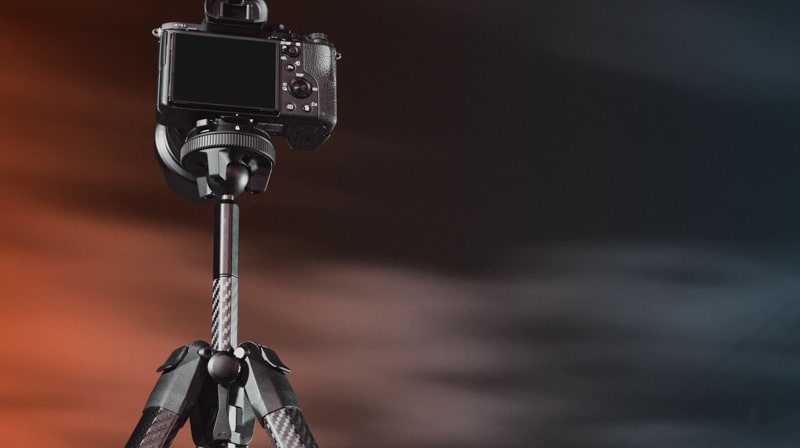
Peak Design built its reputation on bags and camera straps before entering the tripod market. The Travel Tripod was their ambitious leap into support gear — and it paid off. The design philosophy centers on one idea: eliminate wasted space inside the collapsed tripod profile. The ball head tucks between the legs, the phone mount hides in the center column, and everything packs down to a remarkably slim cylinder. Our team has tested dozens of travel tripods, and none match this level of thoughtful engineering.
Whether the goal is capturing stunning travel photos or shooting long exposures on location, the right tripod matters enormously. Here's everything our team has learned from months of real-world use.
Contents
Keeping the Travel Tripod in Top Shape
A tripod this well-built deserves proper maintenance. The Travel Tripod uses machined aluminum (or carbon fiber in the premium version), and both materials hold up well — but sand, salt, and grit will degrade any mechanical joint over time. Our team has developed a simple routine that keeps the legs smooth and the locks tight.
Cleaning After Outdoor Shoots
After shooting on beaches, desert trails, or anywhere dusty, a quick cleanup prevents long-term damage. Here's what works:
- Extend all leg sections fully and wipe each one with a damp microfiber cloth
- Use a soft brush (an old toothbrush works) to clear grit from the leg locks
- Rinse the feet under lukewarm water if they've been in sand or mud
- Dry everything thoroughly before collapsing — trapped moisture causes corrosion
- Apply a tiny drop of silicone lubricant to the twist locks once every few months
The ball head deserves attention too. A blast of compressed air clears dust from the ball socket. Never use WD-40 or petroleum-based lubricants on the ball head — they attract more grit and break down the factory grease.
Storage and Transport Tips
Peak Design includes a padded carrying case that fits the collapsed tripod perfectly. Our recommendation: always use it. The slim profile makes the tripod tempting to toss loose into a bag, but unprotected legs can scratch camera bodies and lenses. For air travel, the Travel Tripod fits inside most carry-on bags alongside a camera body — a significant advantage over bulkier alternatives.
How to Set Up and Dial In the Travel Tripod
Speed matters in the field. Missing a sunset because the tripod took too long to deploy is a real frustration most landscape photographers know well. Anyone planning to shoot on location — as covered in our landscape photography location guide — needs gear that keeps pace with changing light.
Deploying in Under 15 Seconds
The Travel Tripod's deployment is intuitive once the sequence becomes muscle memory:
- Grip the tripod by the center column and pull the legs apart in one motion
- Flip the three leg angle locks to the desired spread
- Twist each leg section to extend — the cam locks on the aluminum version, or twist locks on carbon fiber
- Raise the center column if extra height is needed (though our team avoids this for maximum stability)
- Mount the camera using the built-in Arca Swiss-compatible plate
With practice, the entire process takes about 10–12 seconds. That's faster than most competing travel tripods our team has tested.
Switching to Low-Angle Mode
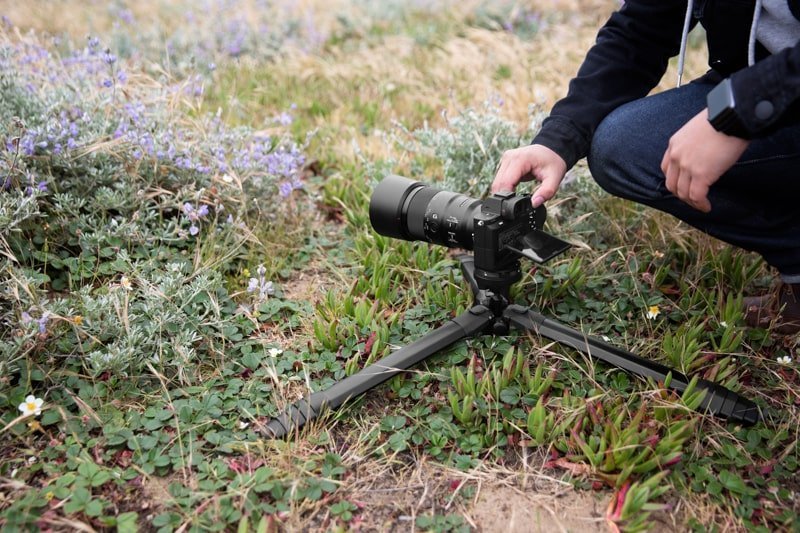
One of the cleverest features is the removable center column. Unscrew it, flip the ball head mount, and the camera can sit just inches above the ground. This is perfect for macro work, creek-level landscape compositions, or any shot requiring an extremely low perspective. The legs splay to a nearly flat angle, giving the tripod a ground-level stance that many full-size tripods can't achieve.
Getting the Most Out of Every Shoot
Owning a great tripod and getting great results from it are two different things. Our team has picked up several techniques that squeeze maximum performance from the Travel Tripod's compact design.
Maximizing Stability
The Travel Tripod's 20-pound load capacity handles most mirrorless and DSLR setups, but physics still apply. A few best practices make a noticeable difference:
- Use the widest leg angle whenever conditions allow — it lowers the center of gravity
- Extend the thickest leg sections first and avoid the thinnest sections unless the extra height is essential
- Hang a bag from the center column hook in windy conditions for added ballast
- Pair the tripod with a remote shutter or a 2-second timer to eliminate hand-induced vibration
Pro tip: For long exposures in wind, our team drapes a heavy jacket over the camera-tripod junction rather than hanging a bag. The weight sits closer to the ball head and dampens vibration more effectively.
Essential Accessories
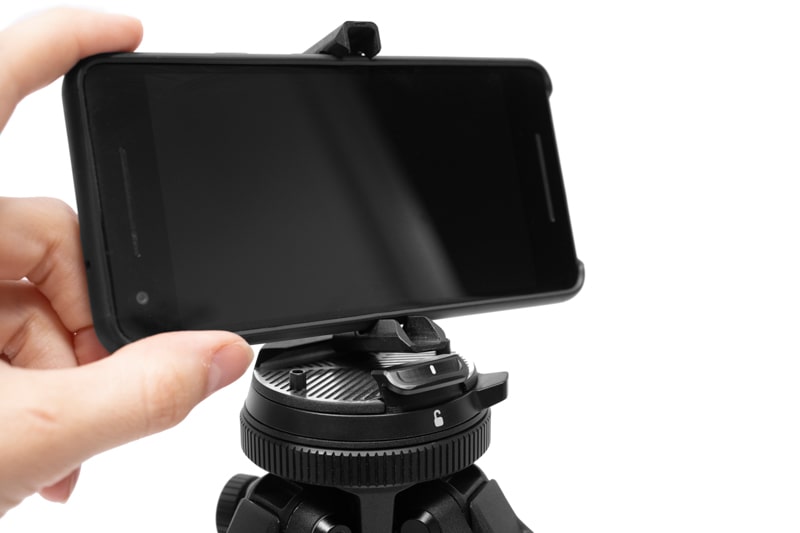
Peak Design designed an ecosystem around this tripod. The most useful add-ons include the ultralight phone mount (hidden inside the center column), universal head adapter plates, and replacement spike feet for soft terrain. For anyone practicing time-lapse photography, the stable platform and low vibration profile make the Travel Tripod an excellent base.
Strengths and Weaknesses
No product is perfect, and our team believes in giving an honest peak design travel tripod review. Here's a balanced assessment after extended use.
What Our Team Loves
- Packed size — at just over 15 inches collapsed, it fits places other tripods can't
- The ball head is remarkably smooth for an integrated design
- Arca Swiss compatibility out of the box eliminates the need for adapter plates
- The hidden phone mount is genuinely useful, not a gimmick
- Build quality inspires confidence — nothing feels flimsy or cheap
Where It Falls Short
- The aluminum version weighs 3.44 lbs — lighter than most, but heavier than ultralight competitors
- Maximum height (60 inches) is limiting for tall photographers
- The proprietary quick-release plate means existing Arca plates don't nest as cleanly into the ball head
- Price sits at the premium end — the carbon fiber version is a significant investment
| Specification | Aluminum Version | Carbon Fiber Version |
|---|---|---|
| Weight | 3.44 lbs (1.56 kg) | 2.81 lbs (1.27 kg) |
| Collapsed Length | 15.4 in (39.1 cm) | 15.4 in (39.1 cm) |
| Max Height | 60 in (152.4 cm) | 60 in (152.4 cm) |
| Min Height | 5.5 in (14 cm) | 5.5 in (14 cm) |
| Load Capacity | 20 lbs (9.1 kg) | 20 lbs (9.1 kg) |
| Leg Sections | 5 | 5 |
| Head Type | Integrated Ball Head | Integrated Ball Head |
Making the Investment Last
A premium tripod should last a decade or more. The Travel Tripod is built for that kind of lifespan, but only if it's treated as a precision instrument rather than a disposable accessory.
Managing Wear Over Time
The most common wear points are the leg locks and the ball head tension. After several hundred deployments, twist locks can develop slight play. Peak Design sells replacement lock rings, and swapping them is a five-minute job. The ball head grease will eventually thin out — a re-grease every couple of years restores that buttery-smooth resistance.
Our team also inspects the rubber feet periodically. They're the first component to wear down, especially on rocky terrain. Replacements are inexpensive and easy to screw on. Carbon fiber legs are more resistant to scratches than aluminum, which is worth considering for anyone who shoots frequently in abrasive environments.
Upgrade Path and Ecosystem
Peak Design's ecosystem approach means the Travel Tripod doesn't exist in isolation. The same Arca Swiss standard compatibility that works with the tripod extends across their capture clips and plates. Investing in one piece of Peak Design gear often justifies the next, since everything integrates seamlessly. Our team runs Peak Design plates on every camera body, making the transition from handheld to tripod-mounted almost instant.
Who Should Buy This Tripod — and Who Shouldn't
The Travel Tripod isn't for everyone, and our team respects that. Being honest about its limitations is just as important as praising its strengths.
Ideal Use Cases
This tripod excels for:
- Travel photographers who need to pack light without sacrificing stability
- Landscape shooters who hike to remote locations and count every ounce
- Content creators who split time between dedicated cameras and smartphones
- Anyone tired of bulky tripods collecting dust because they're too inconvenient to carry
The Travel Tripod's greatest achievement is that most people will actually bring it along. The best tripod is the one that's there when the moment happens, and the compact profile removes the biggest excuse for leaving it behind.
When to Look Elsewhere
Studio photographers, wildlife shooters with heavy super-telephoto lenses, or anyone regularly mounting rigs above 15 pounds should look at heavier-duty options. The 20-pound load rating is generous for a travel tripod, but a 600mm f/4 on a full-frame body pushes that boundary uncomfortably. Similarly, videographers who need fluid heads will find the integrated ball head limiting — there's no way to swap it for a video head without aftermarket adapters.
Photographers on a tight budget should also consider whether the premium price delivers enough value over capable alternatives from brands like Benro or MeFOTO. The engineering is superior, but a tripod at half the cost will still hold a camera steady.
Frequently Asked Questions
Is the carbon fiber version worth the extra cost over aluminum?
For photographers who travel frequently or hike to shooting locations, the half-pound weight savings adds up over long days. Our team considers it worthwhile for serious travel shooters. For occasional use or mostly car-accessible locations, the aluminum version delivers identical performance at a lower price.
Can the Peak Design Travel Tripod handle a full-frame DSLR with a heavy lens?
The 20-pound load capacity comfortably supports full-frame bodies with lenses up to around 70-200mm f/2.8 size. Our team regularly mounts a mirrorless body with a 100-400mm zoom without any stability concerns. Beyond that weight class, a dedicated heavy-duty tripod is the safer choice.
Does the integrated ball head limit flexibility compared to a separate head?
The integrated design is a deliberate trade-off — it enables the compact packed size that defines this tripod. The ball head performs well for stills photography, with smooth panning and solid lock. However, videographers or photographers who prefer specialized heads like geared heads or gimbal mounts will find the fixed integration limiting.
Key Takeaways
- The Peak Design Travel Tripod's ingenious collapsed design sets a new standard for packability without meaningful sacrifice in stability or load capacity.
- Regular maintenance — especially cleaning leg locks after sandy or dusty shoots — is essential to preserve the smooth mechanical action over time.
- The tripod is best suited for travel, landscape, and general photography; heavy telephoto setups and dedicated video work demand beefier support.
- Between the aluminum and carbon fiber versions, the choice comes down to how often the tripod travels — frequent flyers and hikers will appreciate every ounce saved.
 |
 |
 |
 |

About Alex W.
Alex is a landscape, equine, and pet photographer based in the Lake District, UK, with years of experience shooting in one of Britain's most photographically demanding natural environments. His work has been featured in Take a View Landscape Photographer of the Year, Outdoor Photographer of the Year, and Amateur Photographer Magazine — publications that reflect a serious, competitive standard of image-making. At Click and Learn Photography, he shares the camera settings, gear choices, and compositional techniques he has developed through real-world shooting and competition-level work.
You can Get FREE Gifts. Furthermore, Free Items here. Disable Ad Blocker to receive them all.
Once done, hit anything below
|
|
|
|